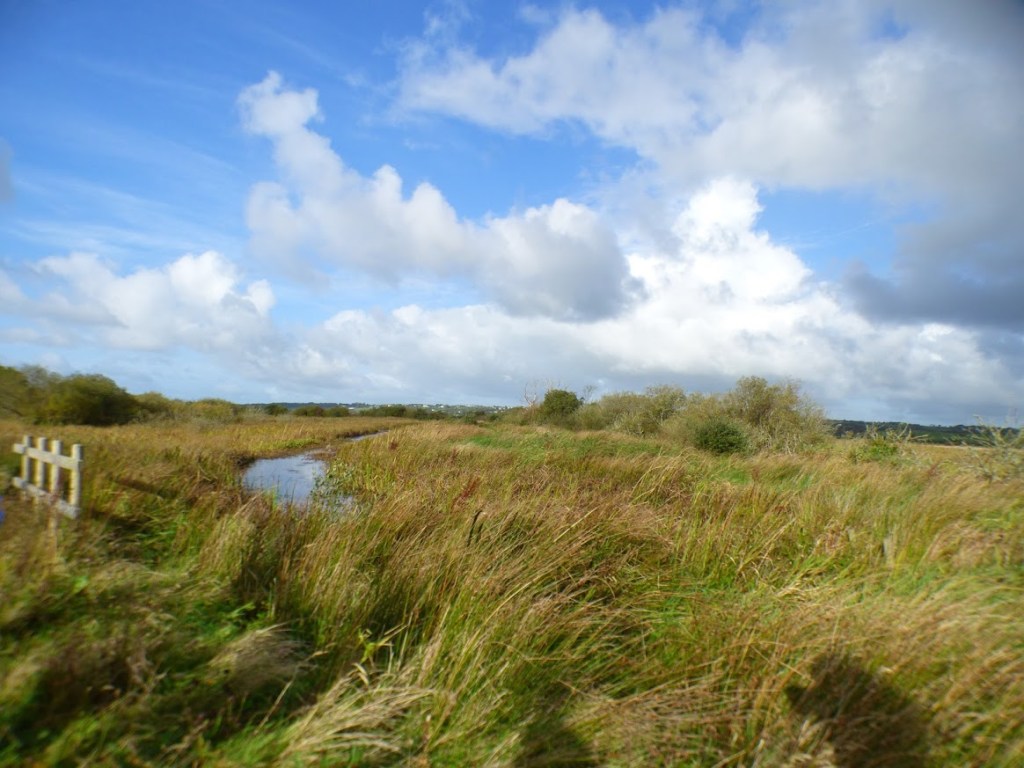
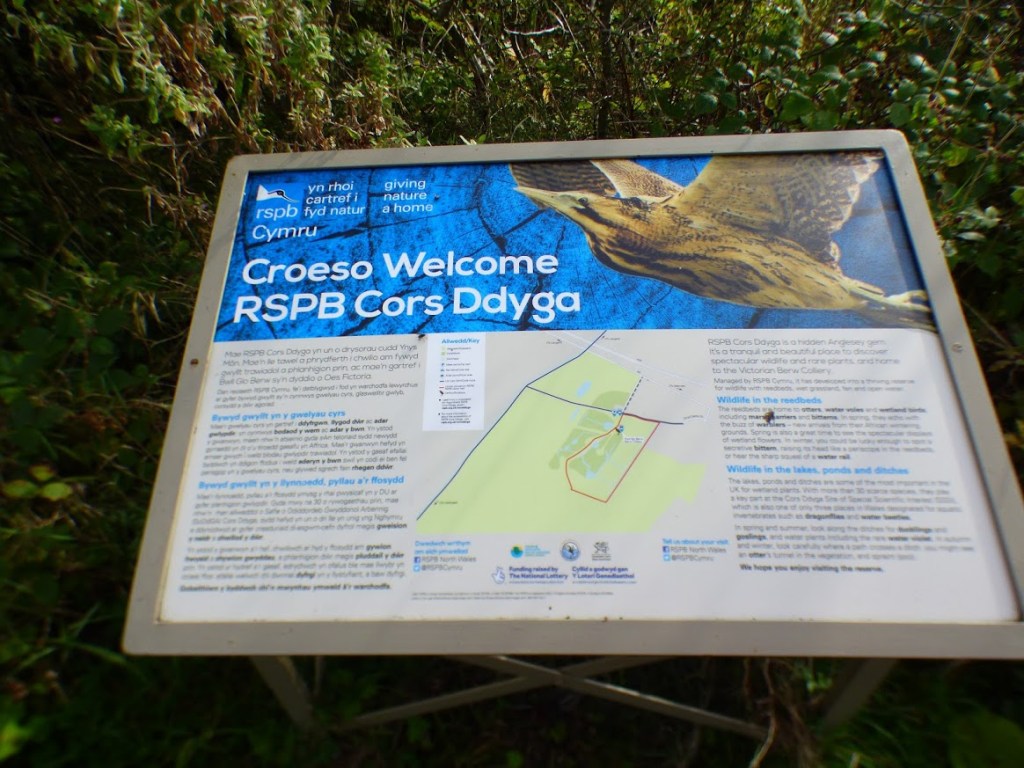
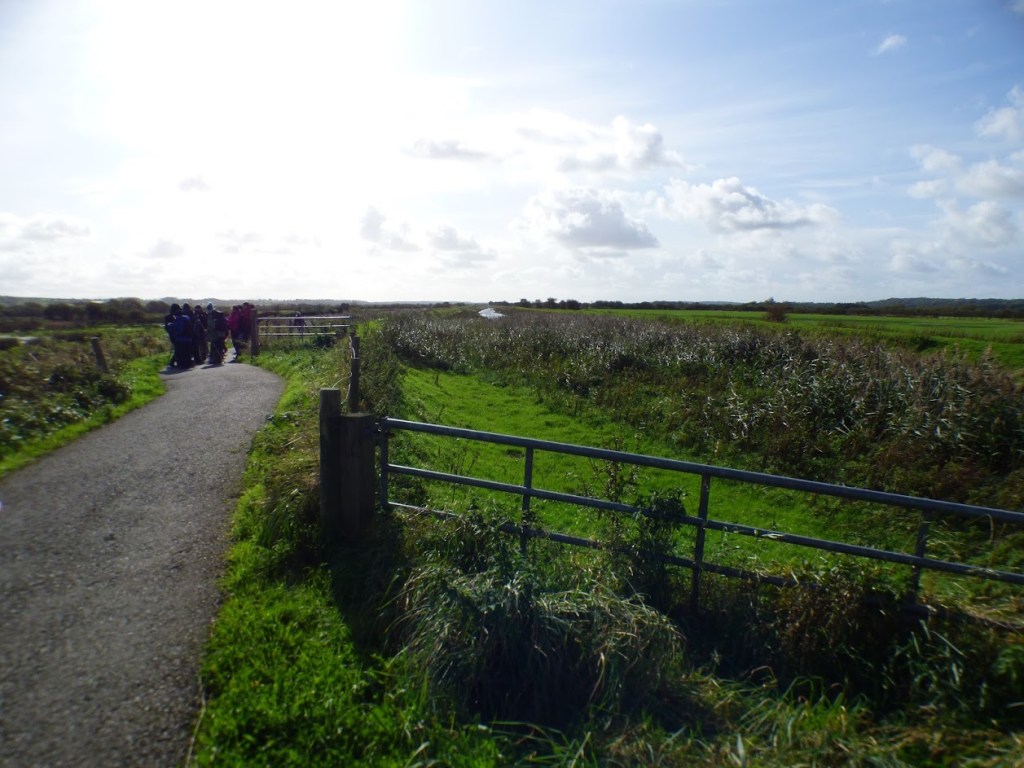
While not quite as exciting as Florida, or Hong Kong, my ornithology trip to Cors Ddyga reserve in Anglesey was still an enjoyable one. We met Ian Hawkins, the site manager for Cors Ddyga, who told us about the history of the site.
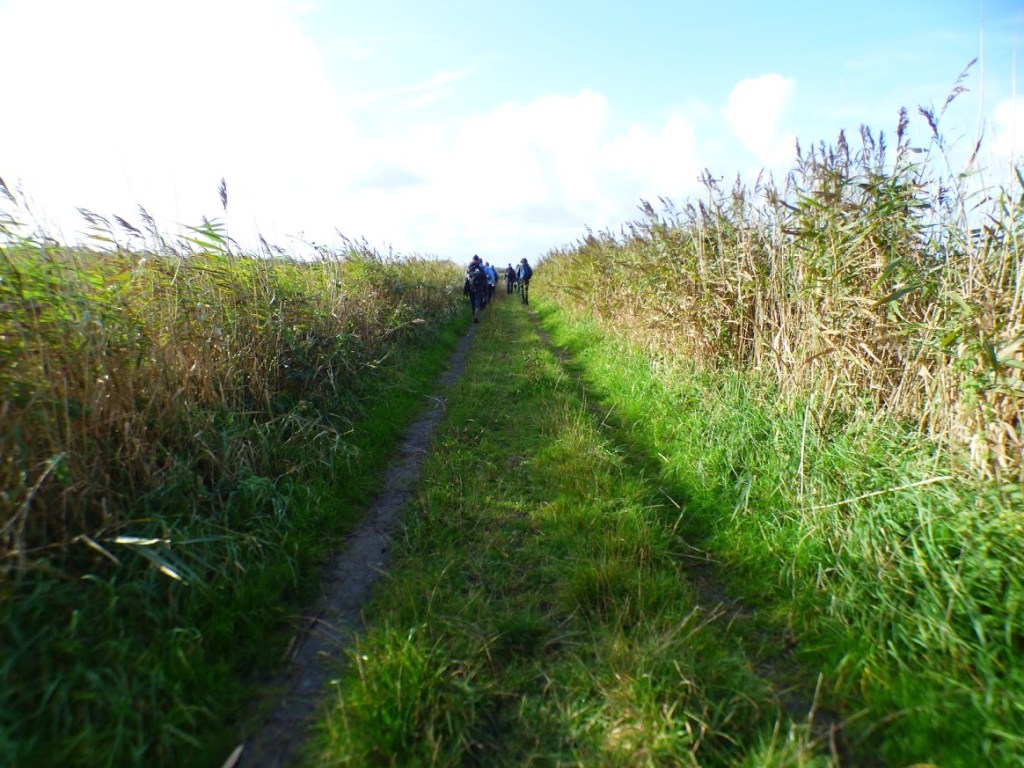
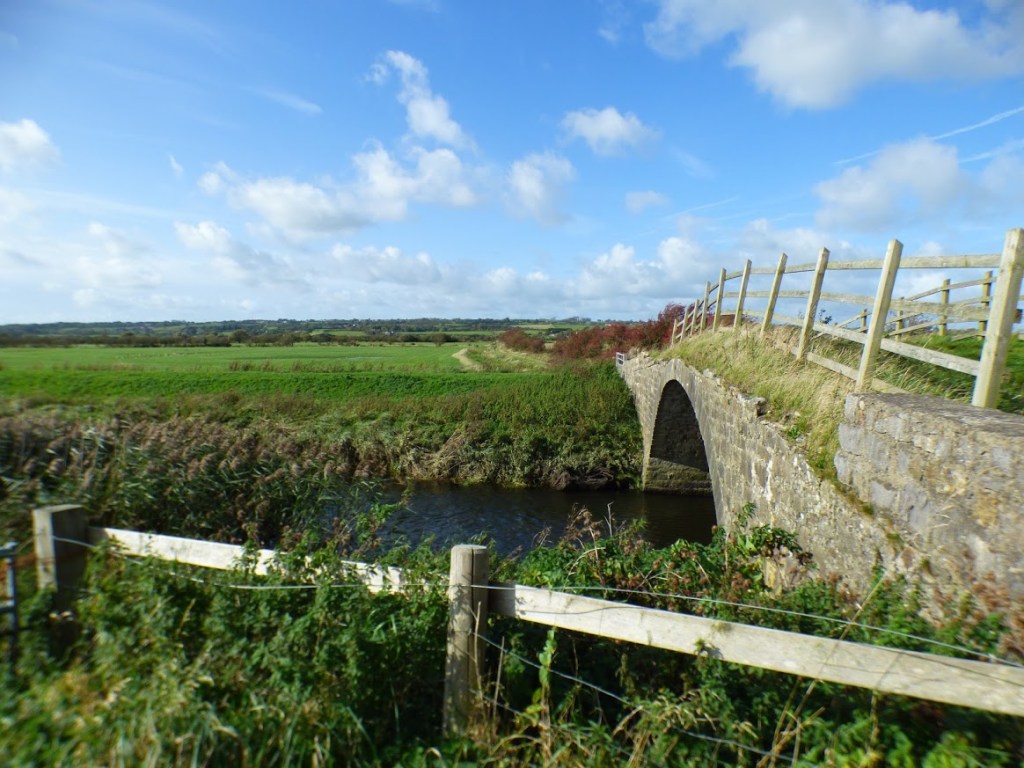
In 1994, the RSPB turned this area into marshland to help reintroduce bitterns and provide them with more habitat. My group actually saw a bittern while walking the trail, but it was too fast for my camera to catch! Cors Ddyga is also one of only three sites in Wales designated for the assemblage of water invertebrates. Perfect for entomologists!
The grassland here is an area of special scientific interest, and is managed to provide suitable habitat for breeding wader birds, specifically lapwings. They are also designated for curlews, however the two birds have very different dynamics. To keep the reed bed areas suitable for bitterns, regular management must take place to avoid succession happening.
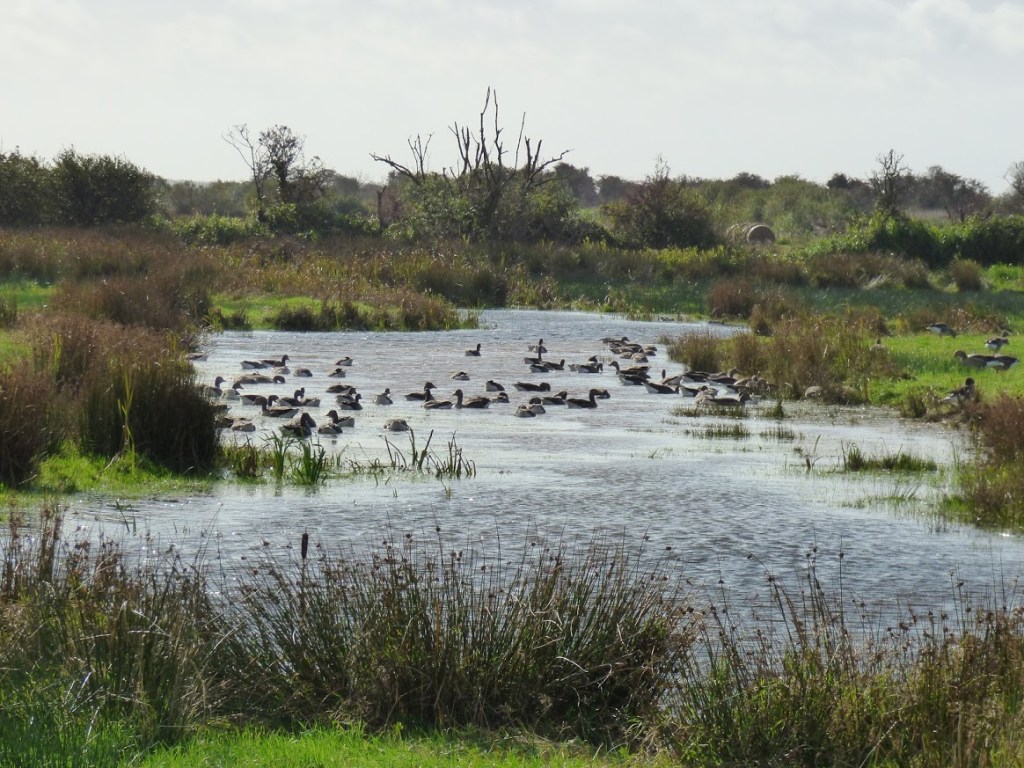
Ian talked about some issues he has faced while managing this site. One was that greylag geese, a non-protected bird, gather in large numbers and create a lot of waste. This gets into the water system and can cause eutrophication issues, which are highly damaging to the aquatic life in Cors Ddyga.
Another issue was that a protected bird species, the marsh harrier, predates on lapwing chicks, which are also protected. This means both populations must be carefully monitored, with grassy verges being introduced for small mammals to provide an alternate food source. This is called diversion refeeding. Lapwings are very loyal to nest sites and hard to relocate away from predators, so diversion refeeding is a good alternative solution.
Ian also talked about the water vole, which is the most heavily declining mammal in the UK. They have to set up traps to try and capture mink, as these devastate water vole populations. The water vole’s regular predators, stoats and otters, are escapable. Stoats cannot swim, and otters cannot fit into water vole burrows. However, mink can do both, meaning water voles would be defenceless.
It was interesting to hear about what things Ian has to consider when managing Cors Ddyga. It must be very difficult to keep a reserve in equilibrium, with everything just right so that all the animals can thrive. It was also nice to see that conservation and nature reserve job opportunities exist closer to home too. A job like this would be a great challenge to take on!
 Natasha's Blog