During the first week of university, all of the biosciences first years were taken on some trips by the peer guides. One of these was an outing to the Welsh Mountain Zoo, somewhere I hadn’t visited before. Going somewhere like this with like-minded peers was a lot of fun! We were all excited and talked about which things we were excited to see. Different students had different favourite animals, so there was a lot to learn just from chatting with each-other. We attended a couple of different talks, which I’ll elaborate on later in this post.
(All photos by Natasha Lee)
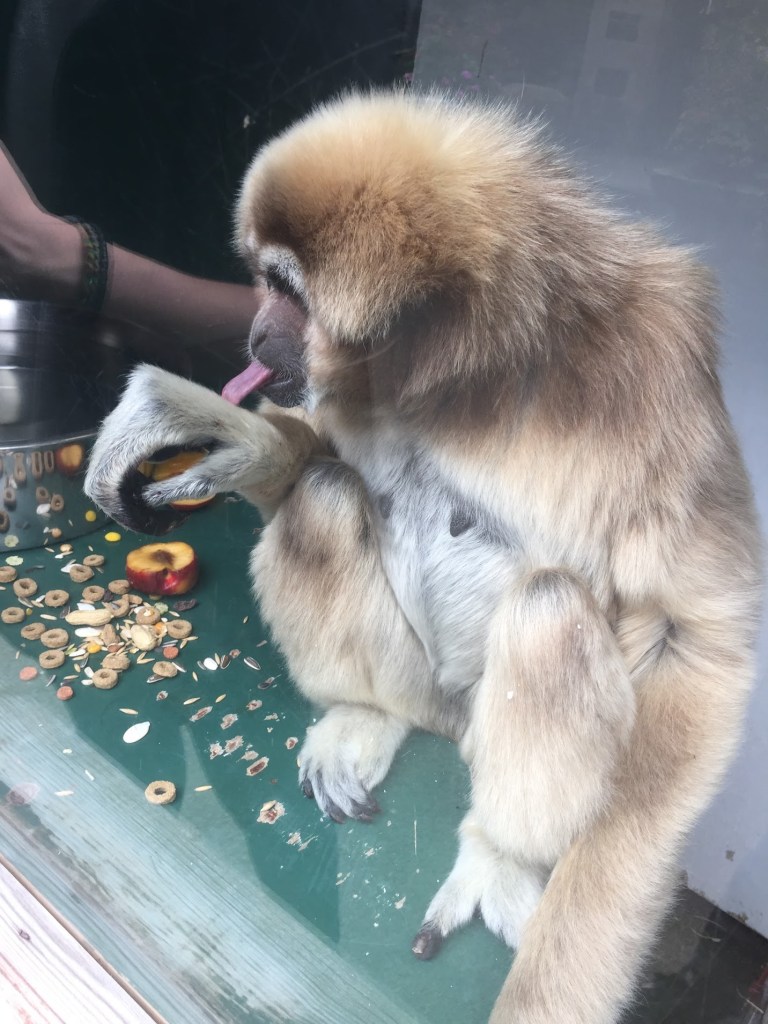
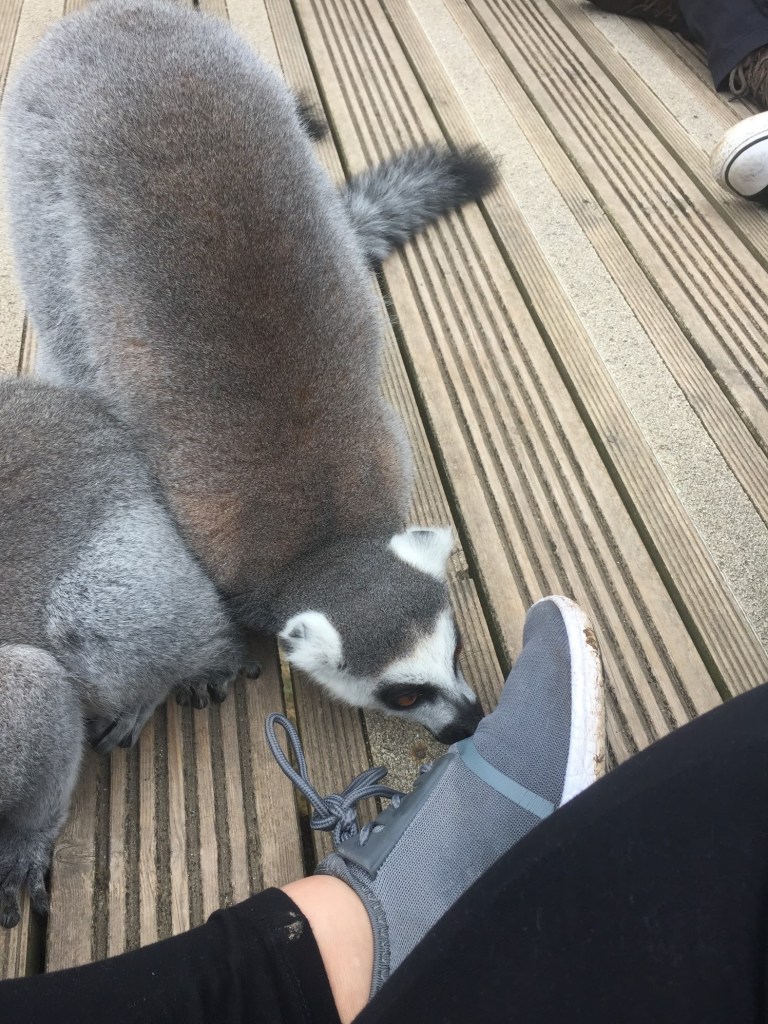
My favourite thing about this trip was the lemur enclosure. It allows you to enter the enclosure with the lemurs, and I’d never seen something like this before! The lemurs mostly keep their distance, but I got very lucky, as they had a very strong interest in my shoes (see picture above)! Being so close to the lemurs was exciting, and made me realise just how much I would enjoy working in a job that frequently gave me this kind of access and proximity to animals of all kinds. We met some of the zoo staff when attending talks. Some talks, like the primate one, focused on educating about animal behaviour and how they provide enrichment for captive animals.
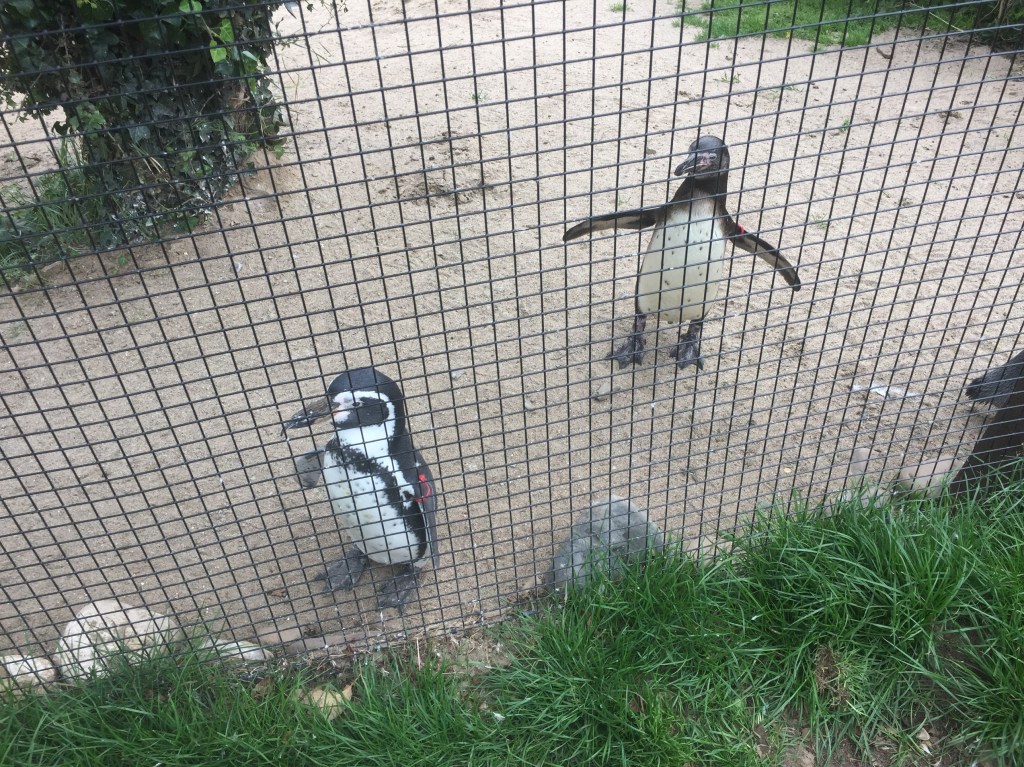
However, the main talk I remember was about the snow leopard enclosure. The enclosure hadn’t been updated in several decades, leaving the leopards in subpar conditions. The entire thing was outdoors with no temperature control, and only hard concrete surfaces for the leopards to lie on. The zookeeper mentioned they were currently fundraising to improve the enclosure, but that getting enough money was taking a long time.
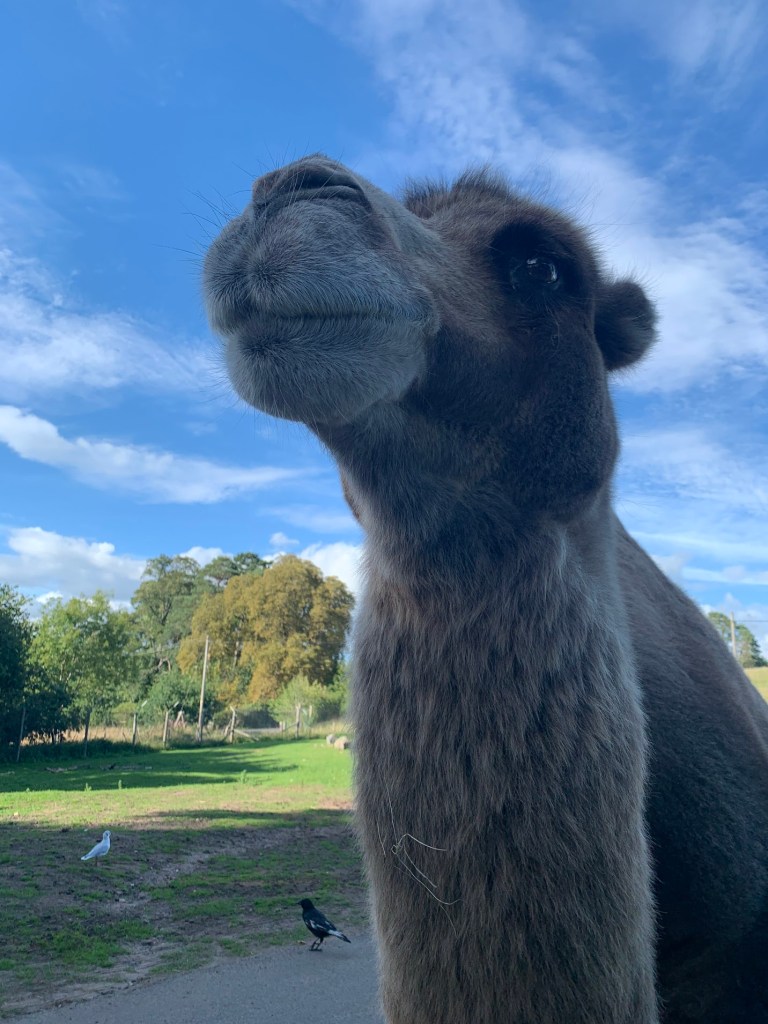
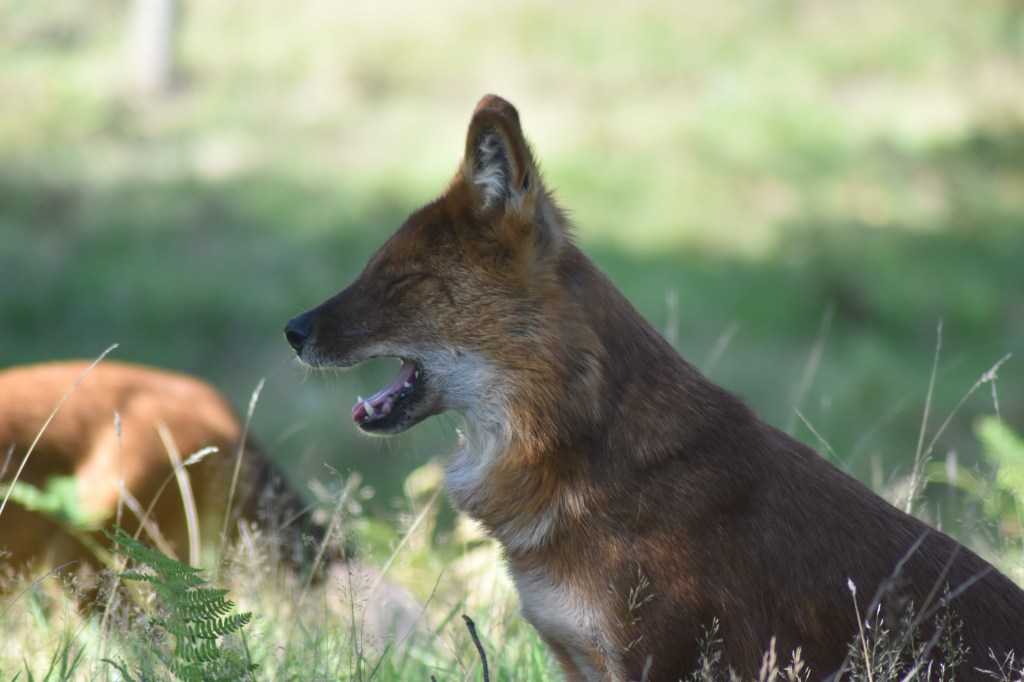
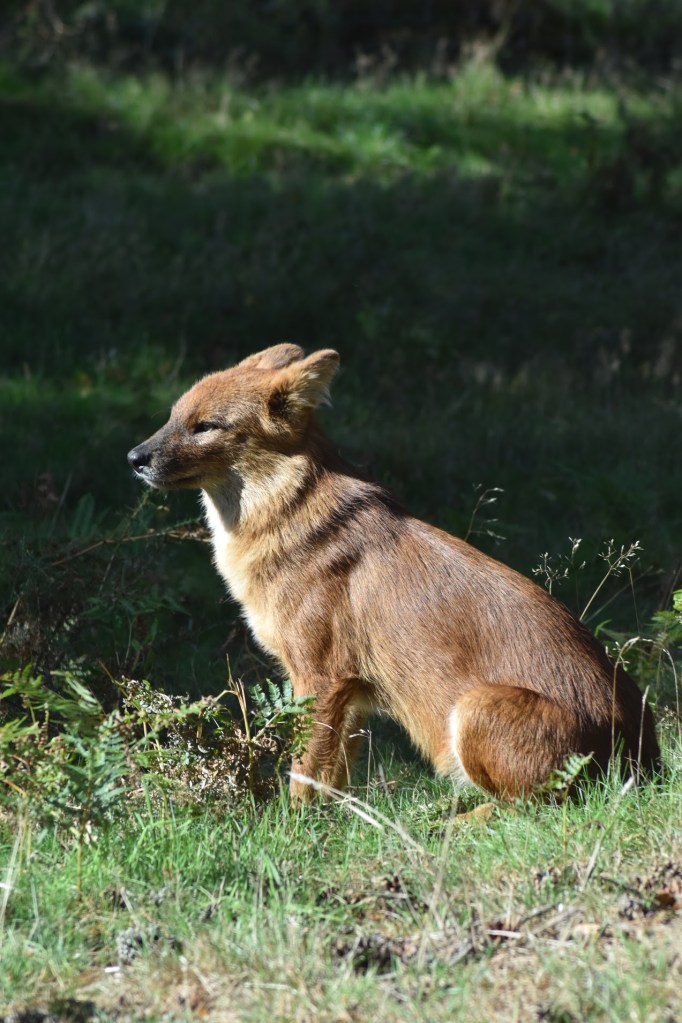
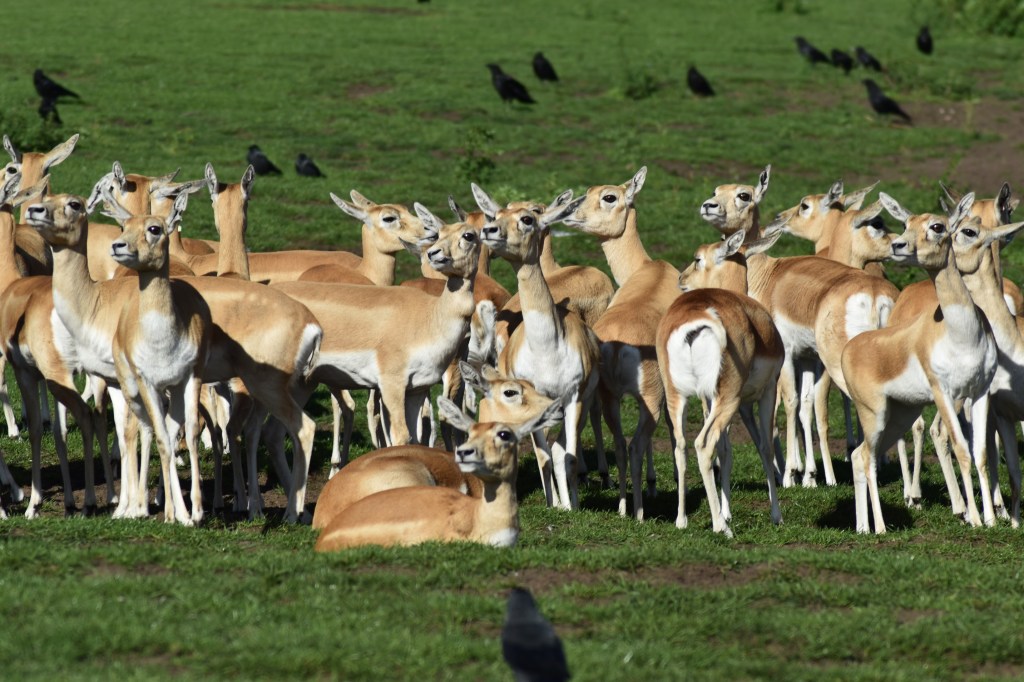
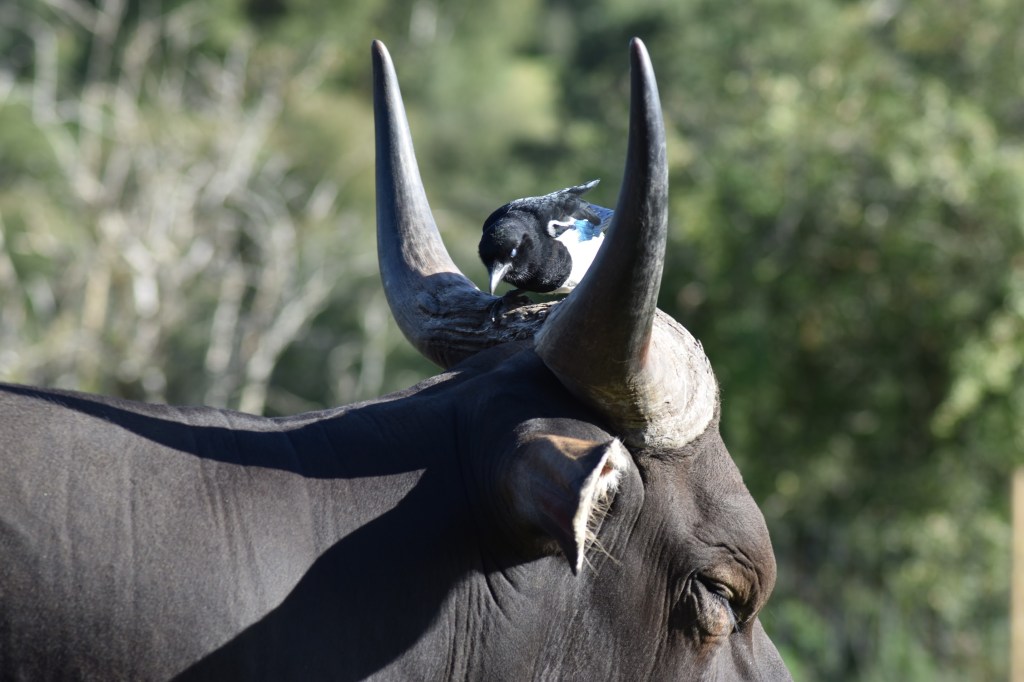
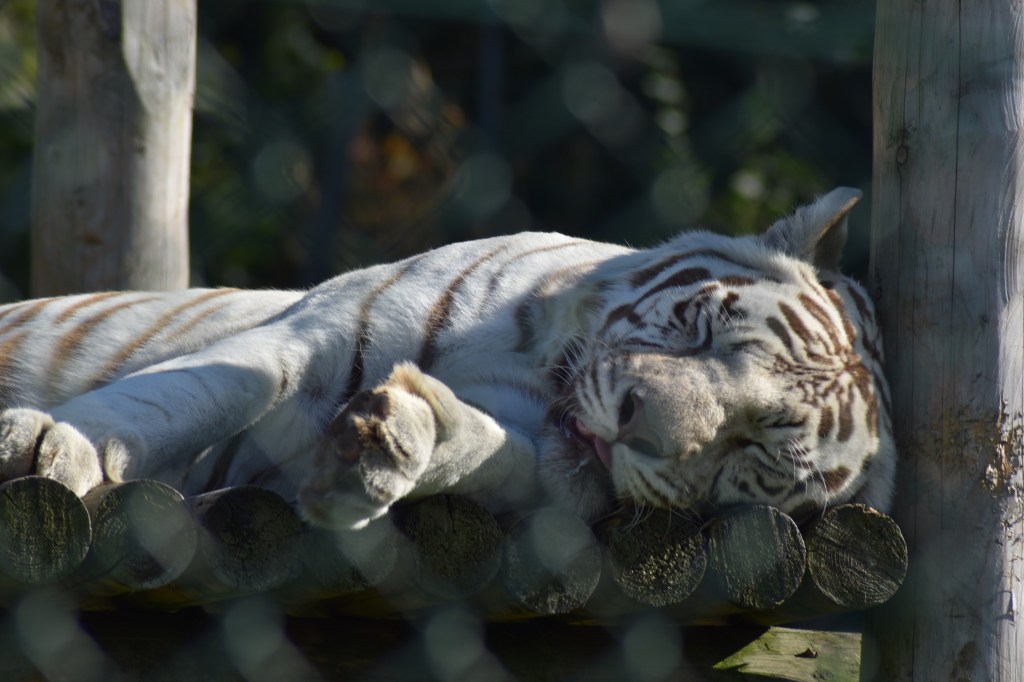
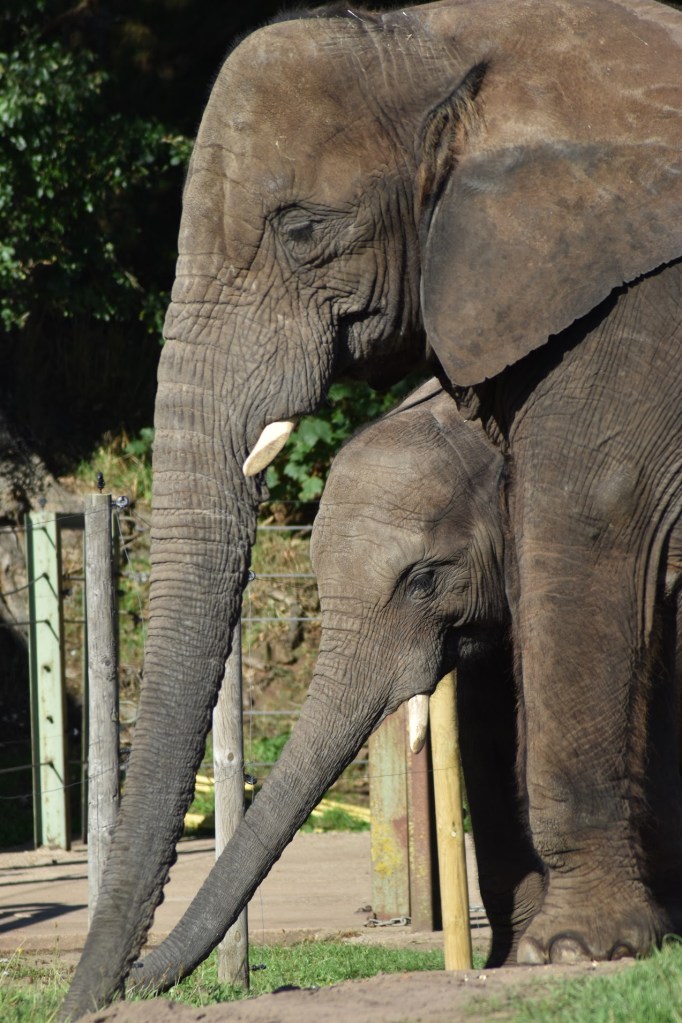
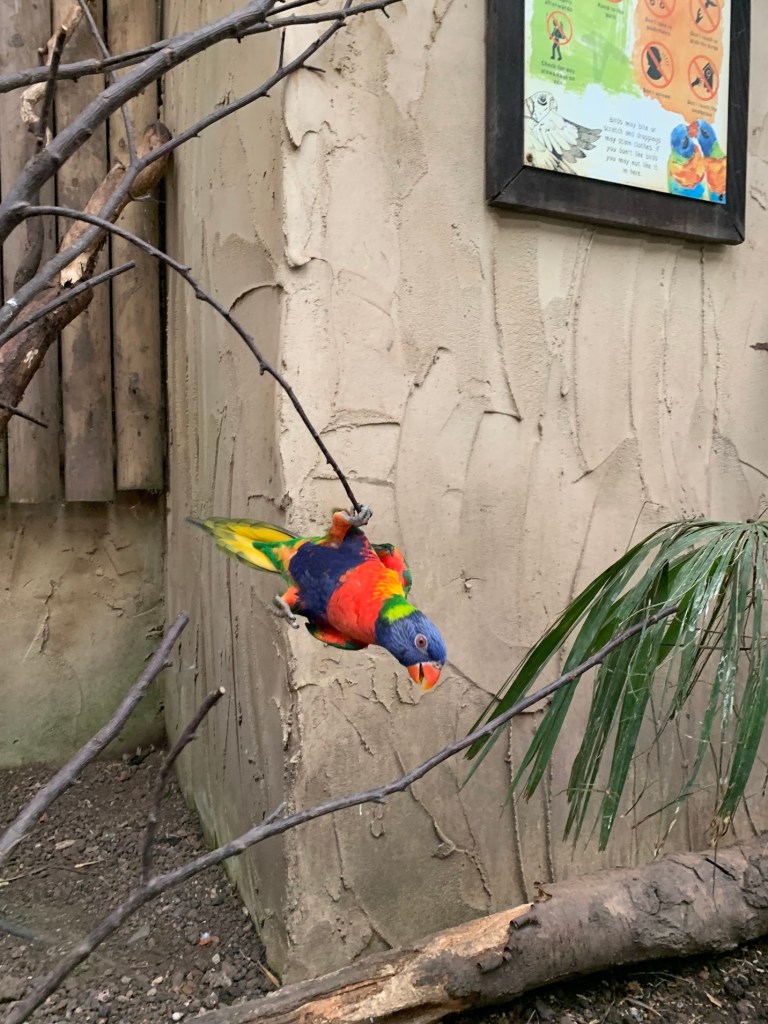
Thankfully, the snow leopard enclosure has been updated since I last visited. Seeing that enclosure, as well as other less-than-ideal ones, surprised me a lot. I hadn’t visited a zoo before that had struggled this much to provide adequate housing and enrichment for some of their animals. Chester Zoo (see photos below) has large enclosures tailored to their animal’s needs, and they seem to have plenty of funding to maintain them.
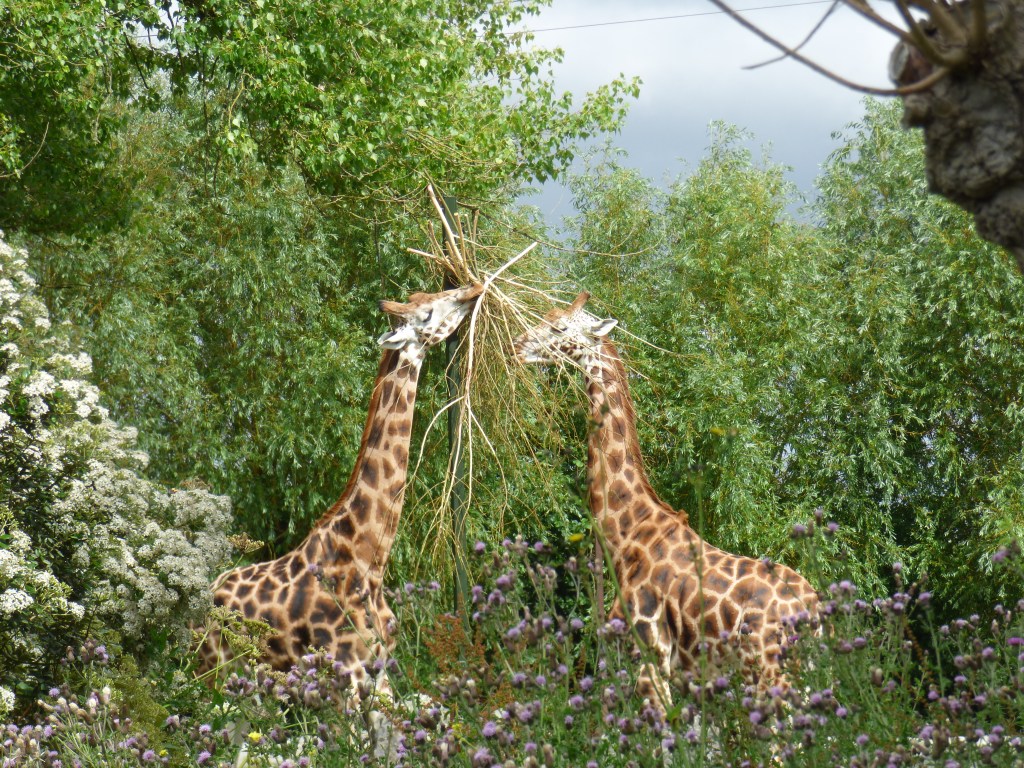
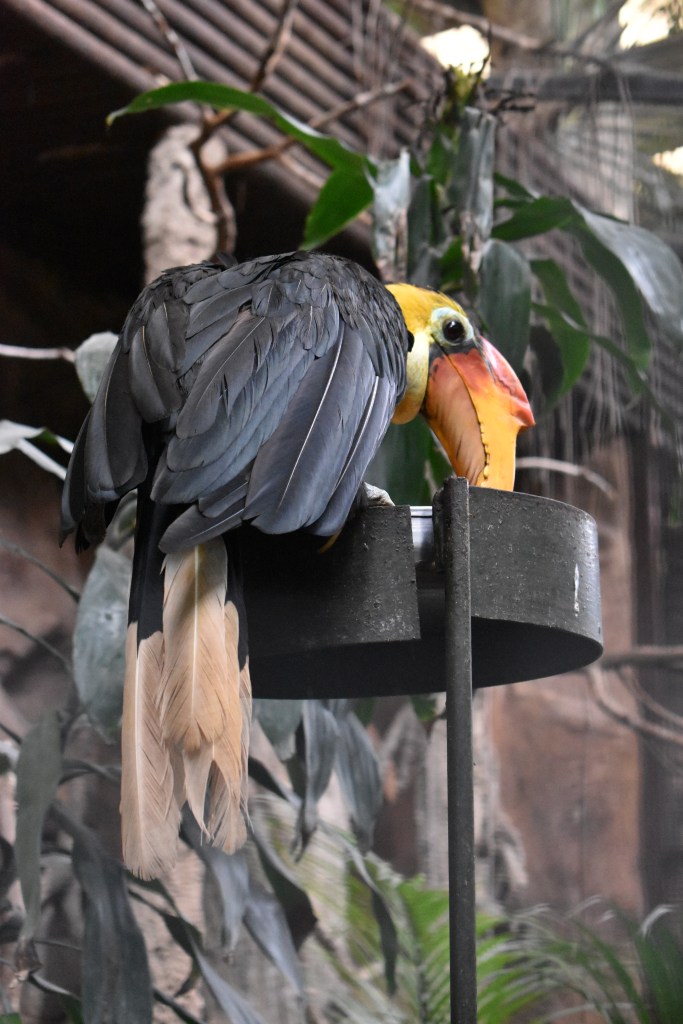
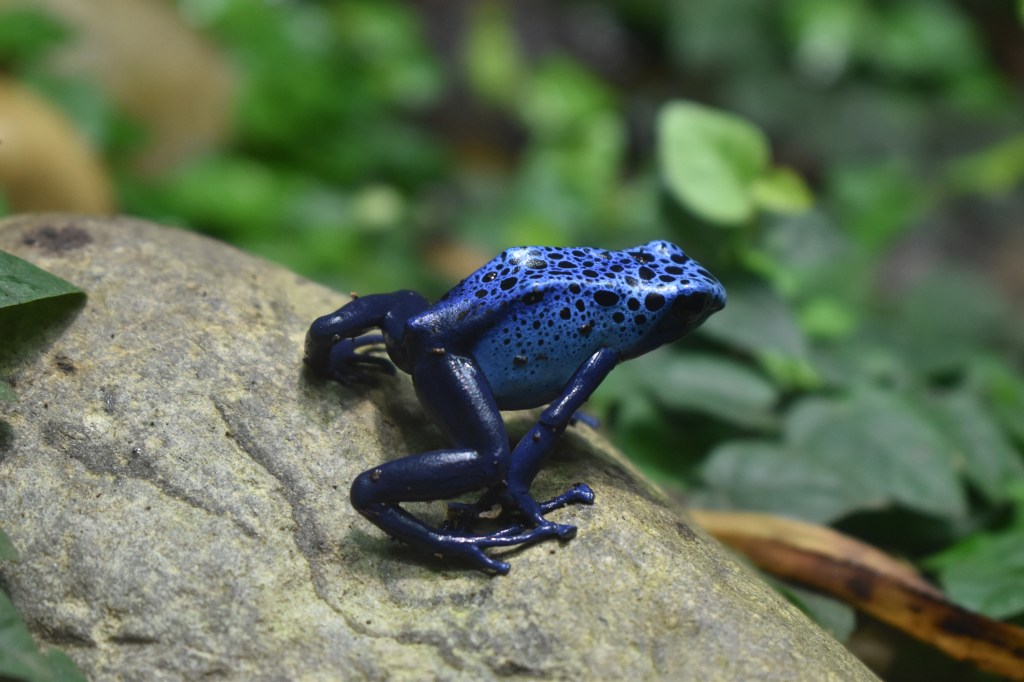
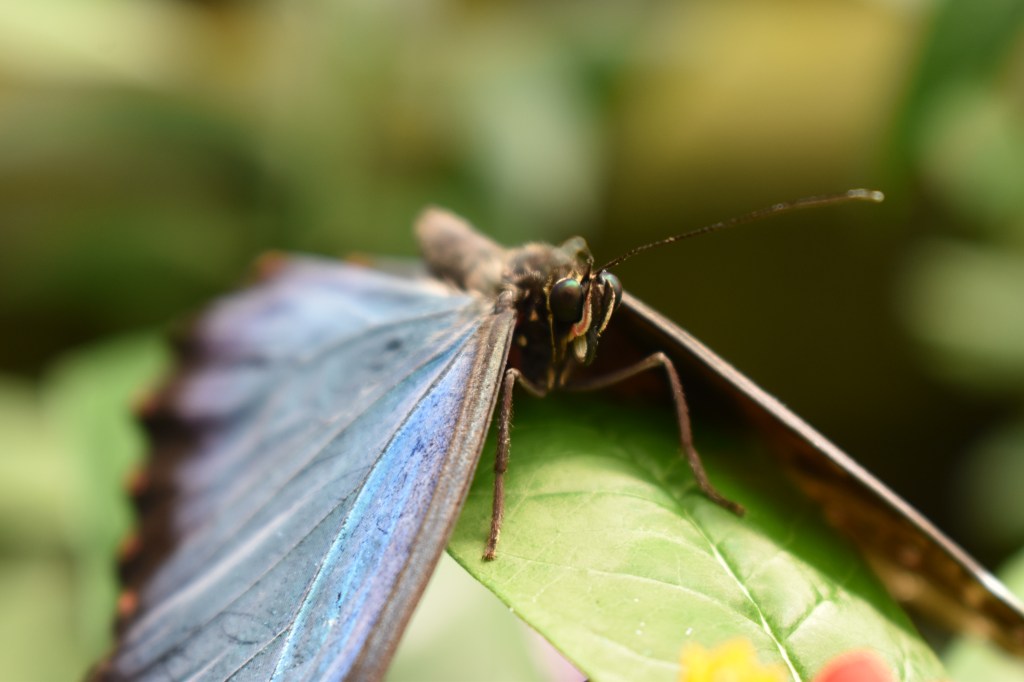
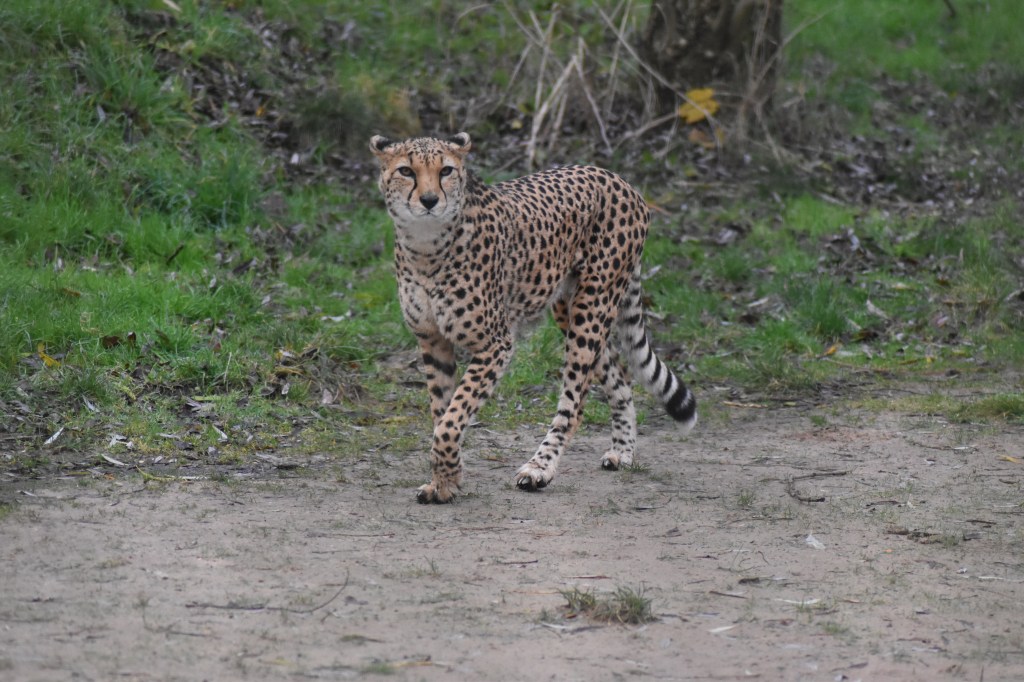
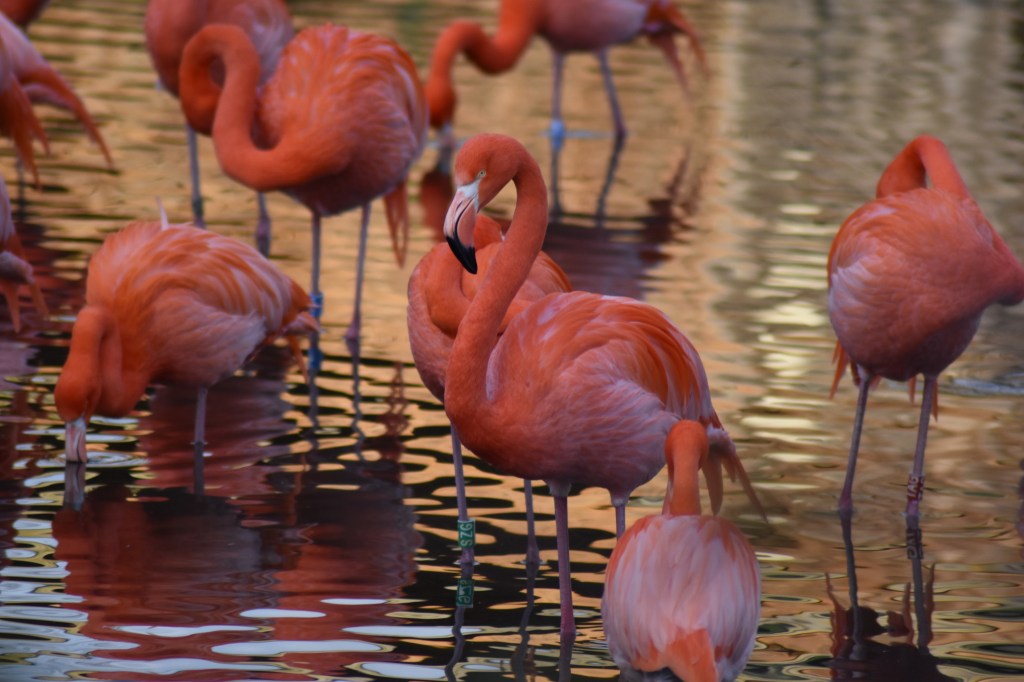
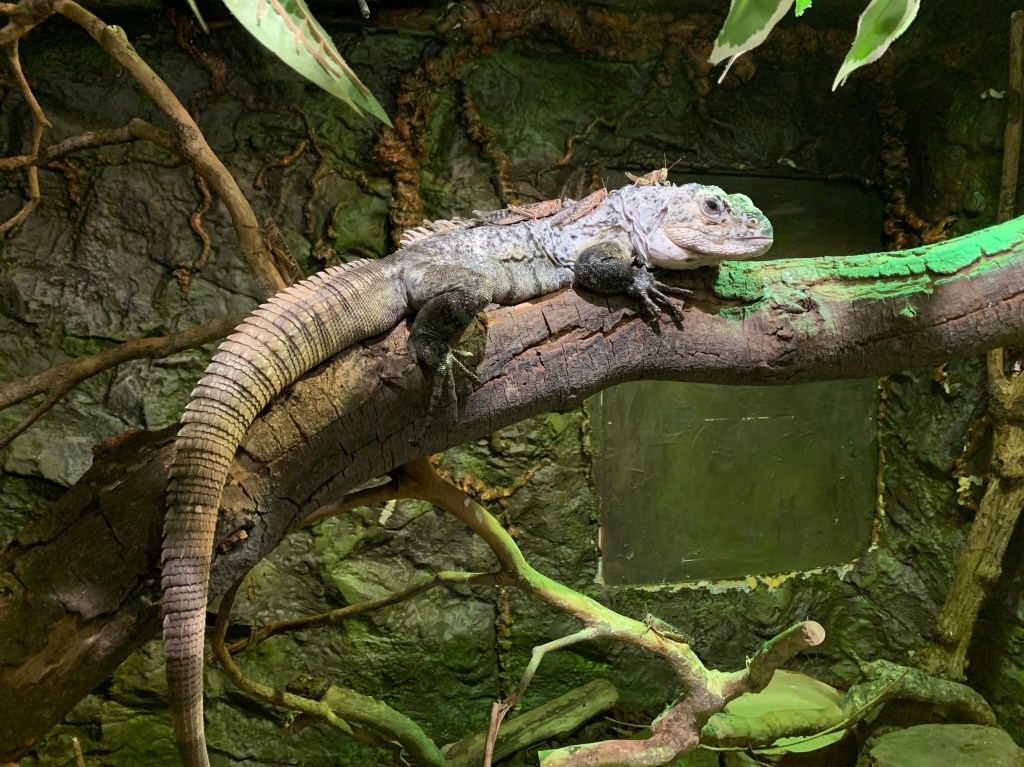
Another place I’ve visited with an interesting approach to habitats is the West Midlands Safari Park (see photos below). The majority of animals are left to roam freely, with guests driving through the park to see and feed them. While they still had shelters, and certain animals are kept away from others, I assume this would save on costs compared to maintaining individual enclosures. These trips have all made me very interested in working for a zoo, either directly with the animals or in a department that manages things like fundraising and budgeting.
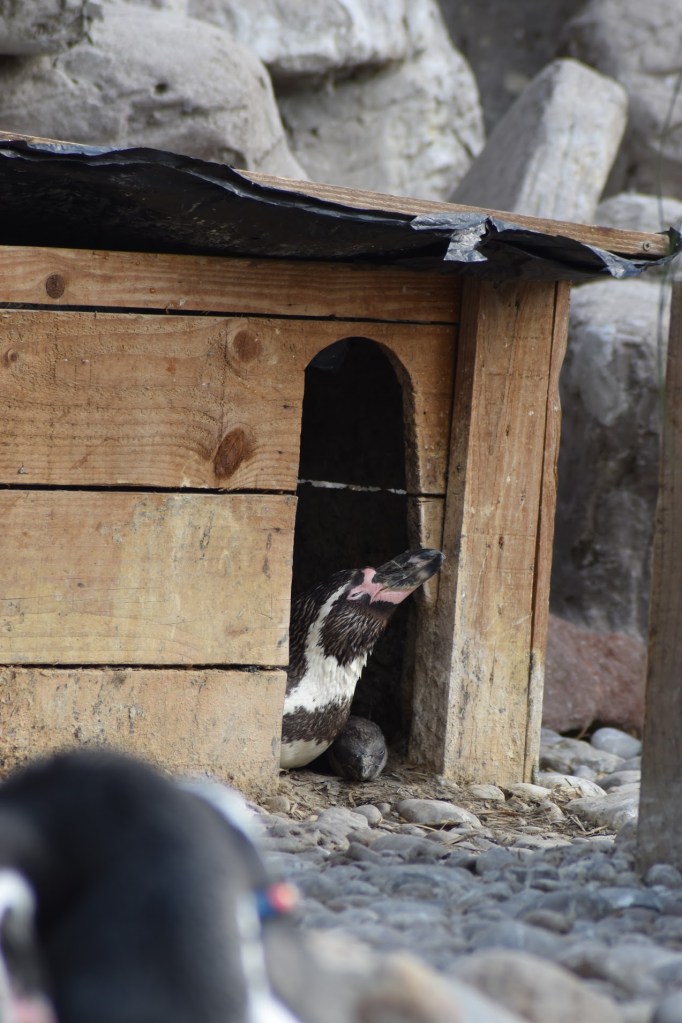
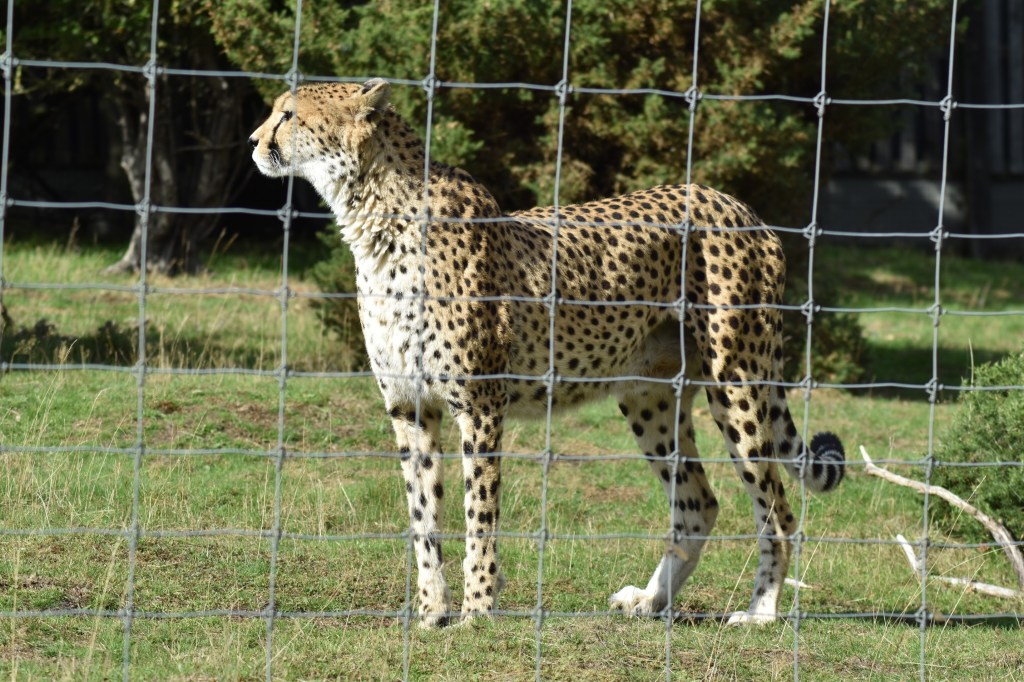
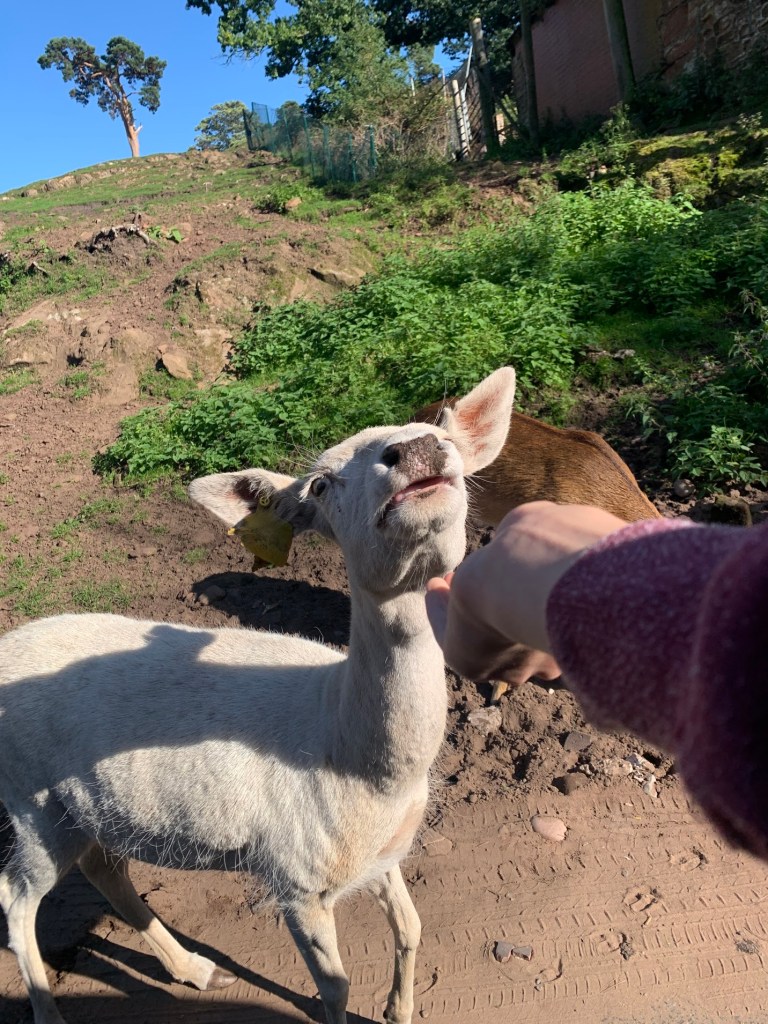
While a zoology degree seems like a straightforward path to getting a job in a zoo, employees I’ve asked all say that experience is what matters most. This is especially true for jobs that involve directly working with animals. You will be expected to know about their specific diets and behaviours, as well as having plenty of hands on experience. However, getting that experience without owning your own personal zoo can be quite the challenge!
 Natasha's Blog