Some Final Thoughts: What Next?

I feel so lucky that my time at university has been filled with all these wonderful experiences. Even with the pandemic affecting my last two years here, I feel like I’ve gotten so much out of my degree. As for what I’m going to do after I graduate: I still don’t know for sure! But making this blog has given me a chance to reflect on experiences that I’ve really enjoyed.
Though I’ve talked about a lot of different career options over these posts, I feel like I would be happy pursuing any of them. I have no strong inclinations towards any particular animal group, I love them all! I would be equally happy working with bugs, birds, or anything else. Some jobs sound a lot more challenging than others, but they all feel like they would be rewarding experiences. Managing an entire nature reserve might be more stressful than managing a pet shop, but I think I would enjoy both.
The one thing I have realised I’m not cut out for during my time here has been academic work. While I have enjoyed most of my university assignments, I think I’ll leave studying animals to the experts. I would definitely prefer a more practical job, or at least one that doesn’t involve any statistics!
Part of me wishes I was more cut out for academic work, since that seems like the best opportunity to be able to travel and look at animals from all over the globe. I hope I’ll be able to find other ways to do this, since I love discovering exciting species I haven’t seen before! Because of this I would also be very happy to work abroad, especially in places with warmer weather and higher animal diversity.
Over the last few years I’ve also discovered a huge passion for animal photography. It saddens me a little that being a full time photographer isn’t something I can confidently aspire to be – if I’m being realistic, then its something that’s more likely to just be a hobby. But who knows, maybe with enough practice I’ll be able to have it be my job one day.
Whatever job I get, I hope its one that’s located in nature, or around animals at least. Working in a museum would be great too! I like the idea of educating the public about wildlife, either in a museum setting, a reserve, zoo, or anything else.
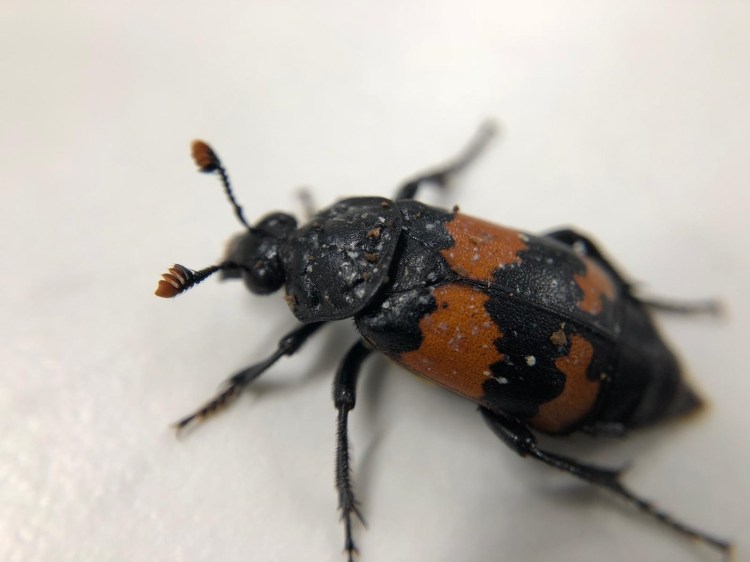
Passing on my love of animals to others, and inspiring them to support conservation work would be incredibly fulfilling. Raising awareness of how important conserving species is, especially of animals like pollinators, is vital for the future of the planet.
I often worry that I don’t have enough experience to land an animal related job. In the next couple of years I plan on doing a few different things to boost my employability. I’ll hopefully do a masters course in a topic that appeals to me, get my drivers licence, and find opportunities to expand my knowledge in different areas of zoology and animal conservation.

While I have less of an idea of what my future will hold than when I started university, I’m still optimistic about what comes next. Getting through uni has been a huge struggle at times, having had issues with my mental health, as well as staying on track with assignments. But I’ve made it this far, and with the right help I’ve made so much progress with myself. Even if it takes a few attempts, I’m confident I’ll find a job I’ll love!
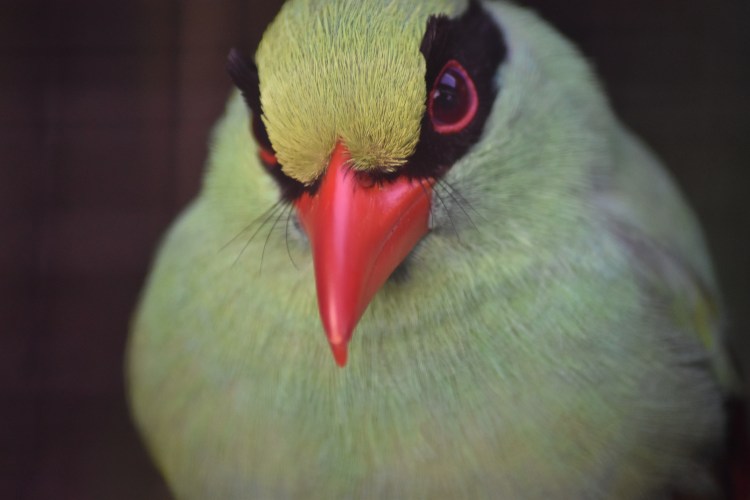
Thanks for Reading!
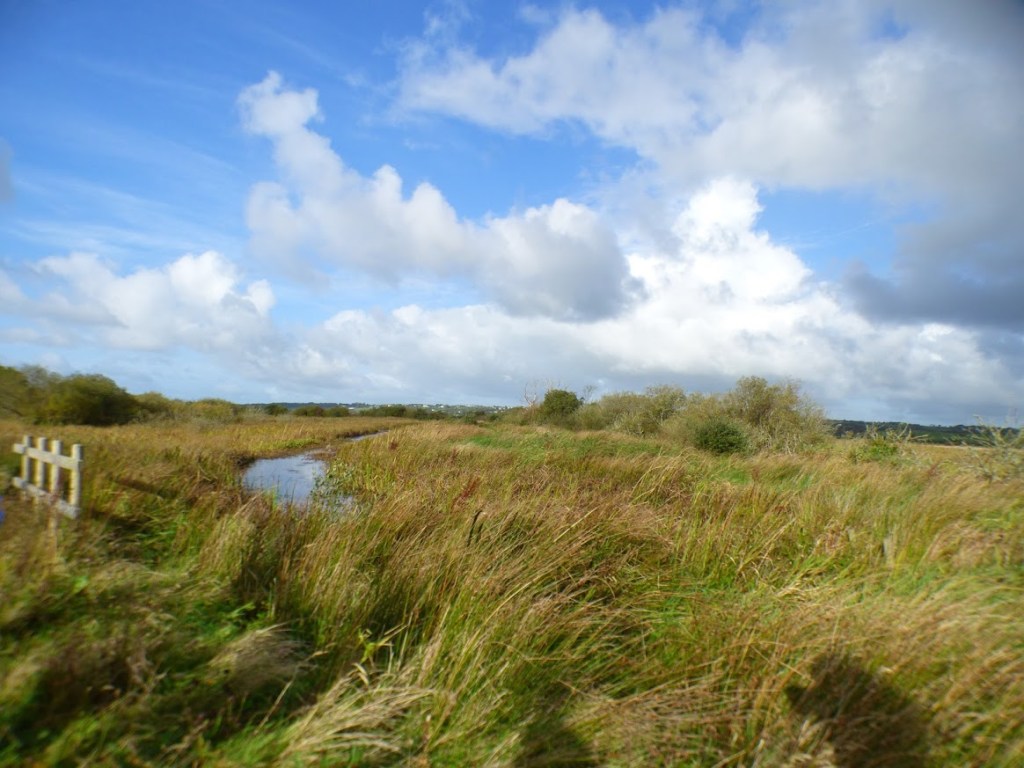
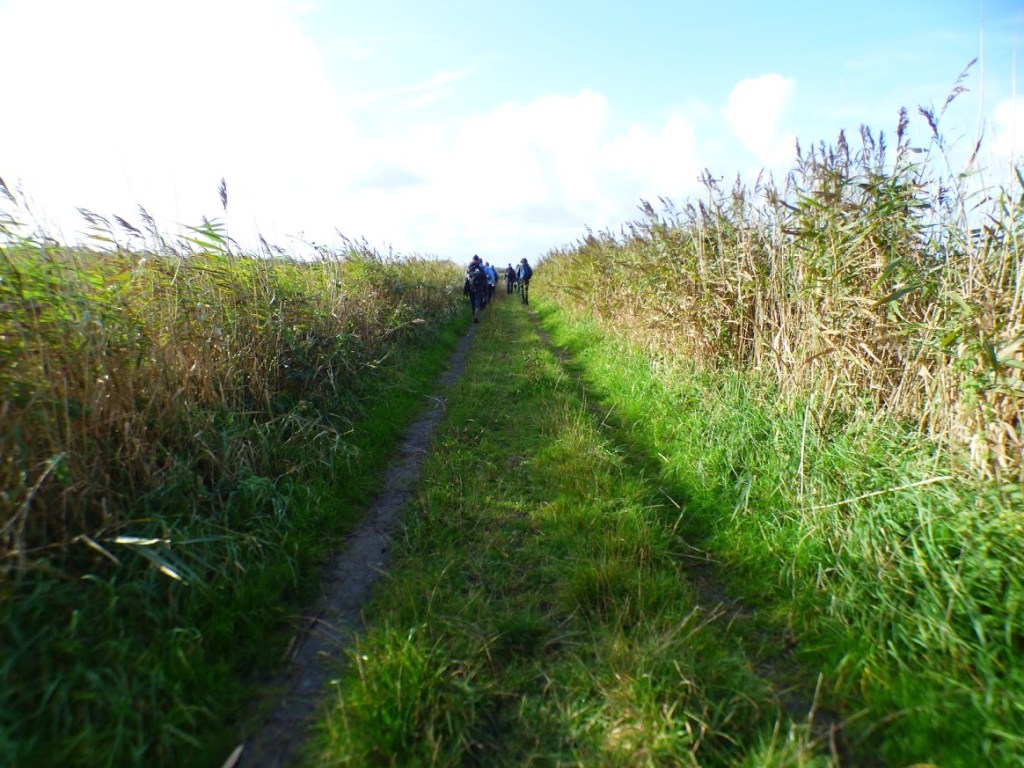
My Ornithology Field Trip To Cors Ddyga

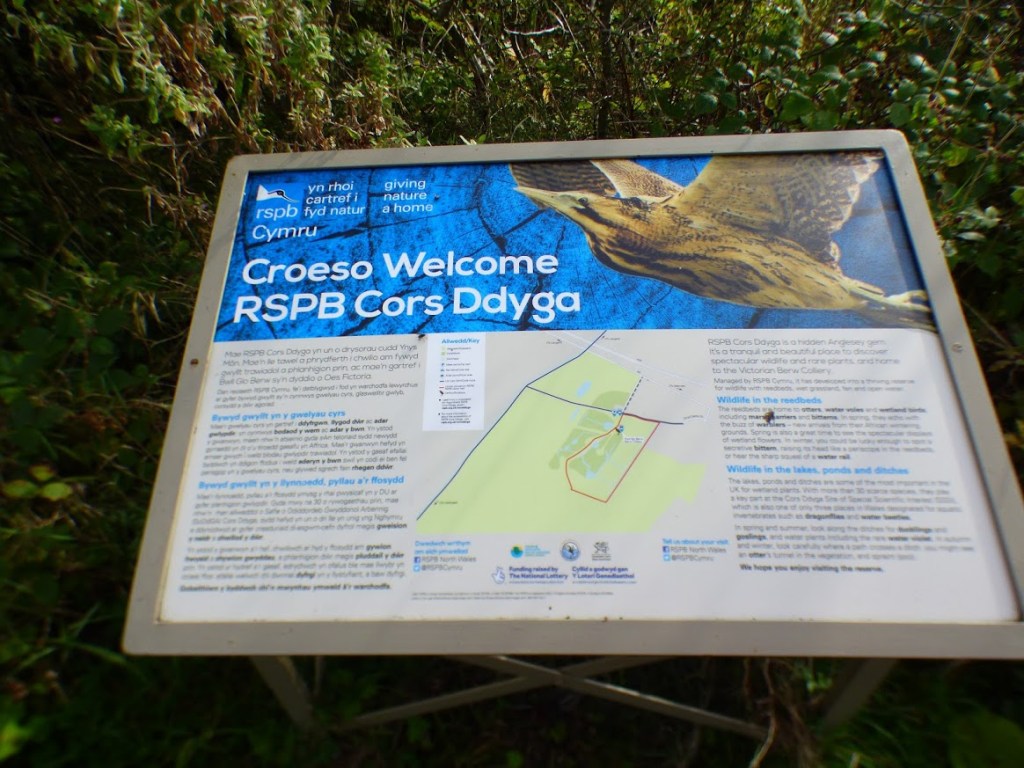
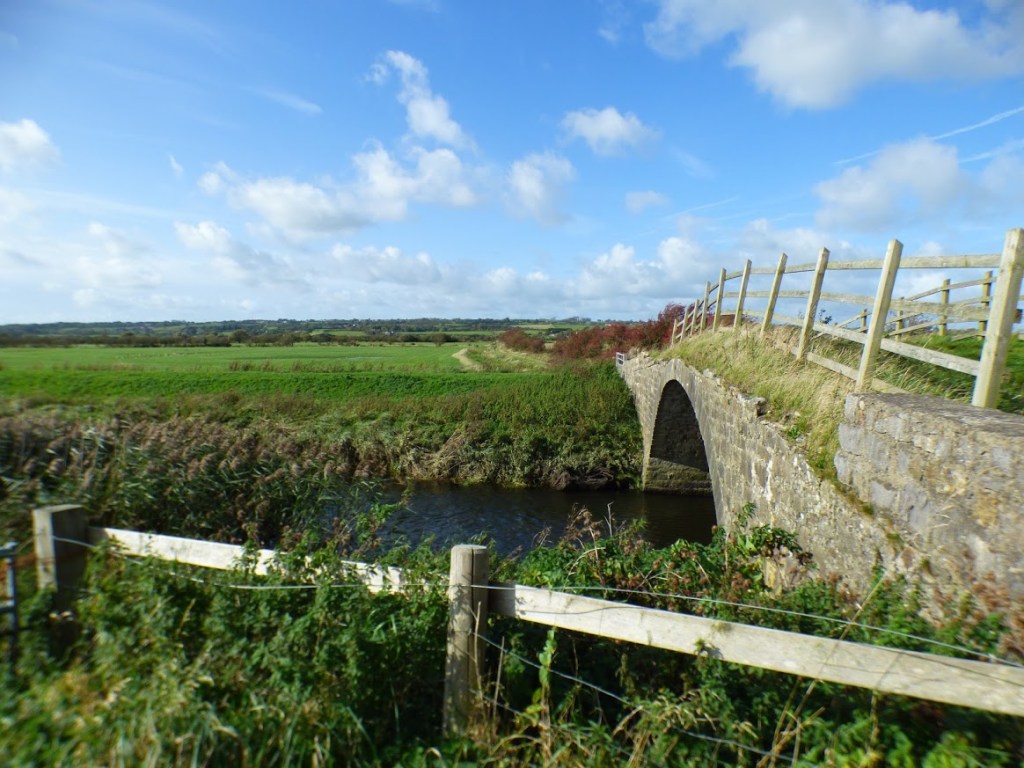
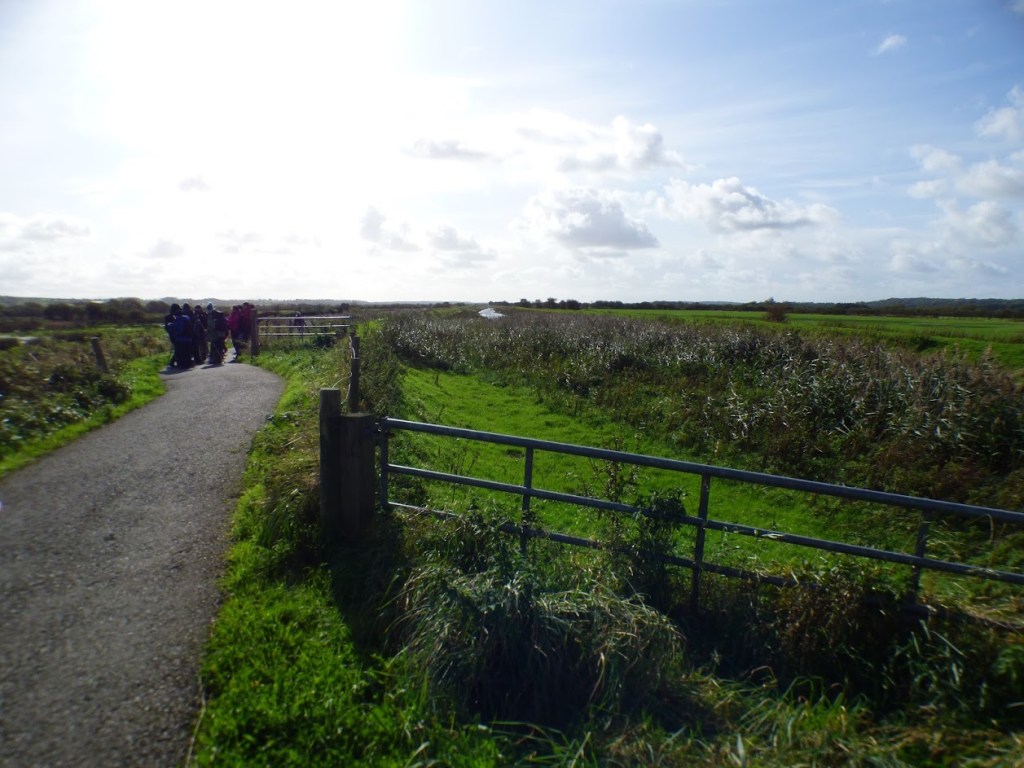
While not quite as exciting as Florida, or Hong Kong, my ornithology trip to Cors Ddyga reserve in Anglesey was still an enjoyable one. We met Ian Hawkins, the site manager for Cors Ddyga, who told us about the history of the site.

In 1994, the RSPB turned this area into marshland to help reintroduce bitterns and provide them with more habitat. My group actually saw a bittern while walking the trail, but it was too fast for my camera to catch! Cors Ddyga is also one of only three sites in Wales designated for the assemblage of water invertebrates. Perfect for entomologists!

The grassland here is an area of special scientific interest, and is managed to provide suitable habitat for breeding wader birds, specifically lapwings. They are also designated for curlews, however the two birds have very different dynamics. To keep the reed bed areas suitable for bitterns, regular management must take place to avoid succession happening.

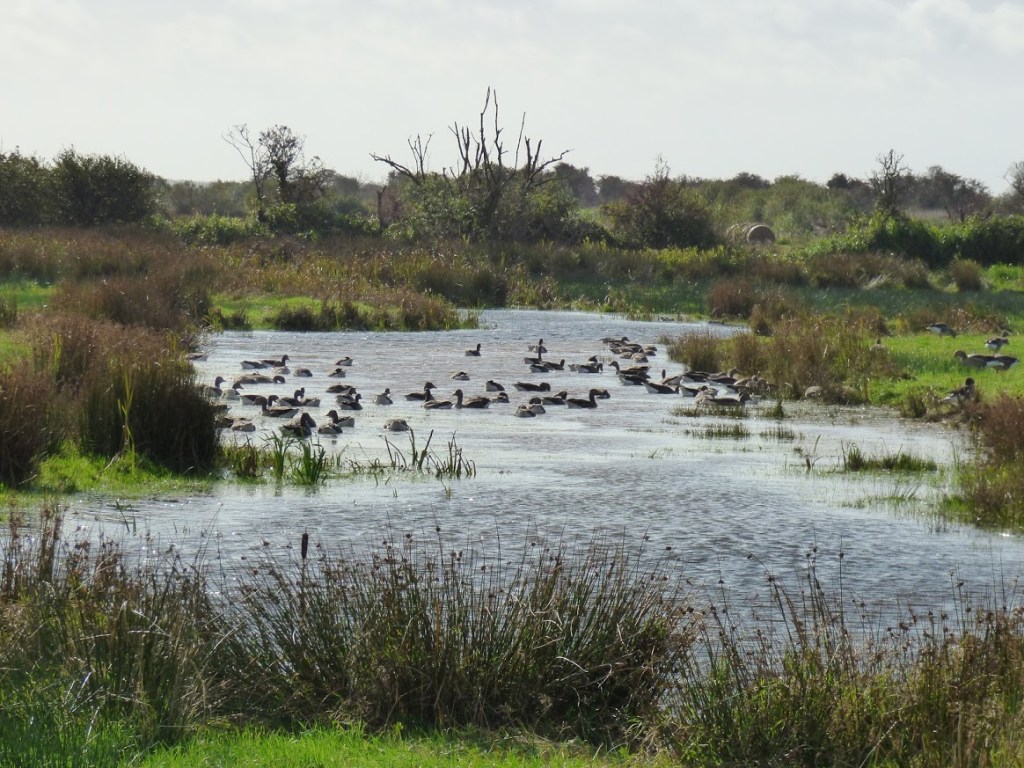
Ian talked about some issues he has faced while managing this site. One was that greylag geese, a non-protected bird, gather in large numbers and create a lot of waste. This gets into the water system and can cause eutrophication issues, which are highly damaging to the aquatic life in Cors Ddyga.

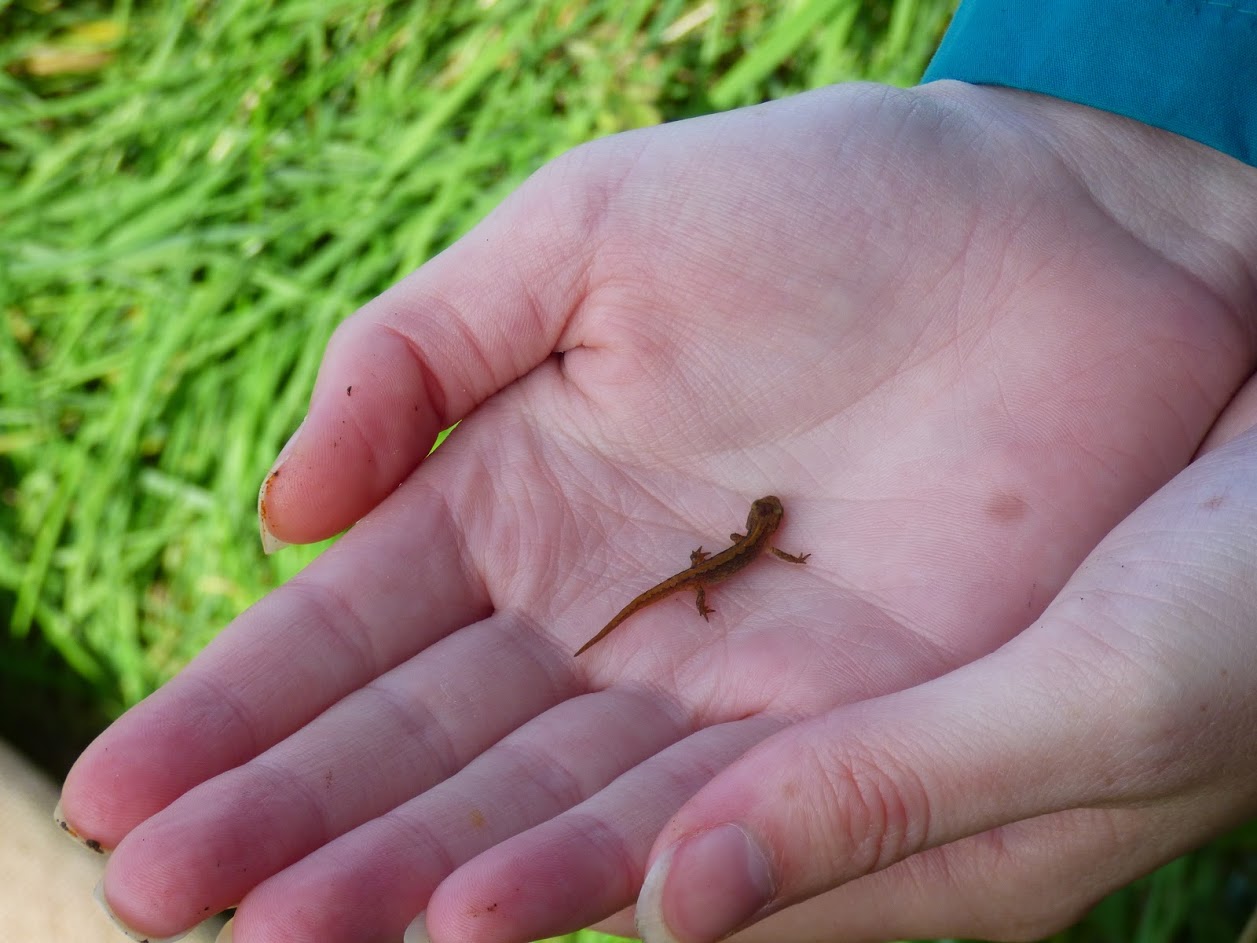
A small newt found by one of my coursemates

Another issue was that a protected bird species, the marsh harrier, predates on lapwing chicks, which are also protected. This means both populations must be carefully monitored, with grassy verges being introduced for small mammals to provide an alternate food source. This is called diversion refeeding. Lapwings are very loyal to nest sites and hard to relocate away from predators, so diversion refeeding is a good alternative solution.

Ian also talked about the water vole, which is the most heavily declining mammal in the UK. They have to set up traps to try and capture mink, as these devastate water vole populations. The water vole’s regular predators, stoats and otters, are escapable. Stoats cannot swim, and otters cannot fit into water vole burrows. However, mink can do both, meaning water voles would be defenceless.

It was interesting to hear about what things Ian has to consider when managing Cors Ddyga. It must be very difficult to keep a reserve in equilibrium, with everything just right so that all the animals can thrive. It was also nice to see that conservation and nature reserve job opportunities exist closer to home too. A job like this would be a great challenge to take on!

From Bodies to Beetles: Ashleigh Whiffin

Ashleigh Whiffin is the assistant curator of entomology at the National Museum Scotland, where she looks after 2.5 million bugs! Her role is very dynamic, including fieldwork, welcoming special visitors, and identifying and processing different insects. Yesterday I listened to a Buglife talk that she presented on carrion beetles, but this post will mostly be talking about her current and old jobs. Ashleigh originally studied forensic science at university, thinking she would want to become a fingerprint expert.

However, her course then introduced her to forensic entomology, which she developed a strong interest in. This led her to doing a masters in entomology, and realised how many different bugs there are to study! She went on to work at Edinburgh university, working with burying beetles. She bred large amounts of them for designing experiments with.

Image
Ashleigh Whiffin. (Source: Twitter)

Ashleigh then went on to work at the National Museum Scotland, as she wanted to work with a larger variety of insects. This job allows her to specialise, and is currently working with British carrion beetle larvae. This has allowed her to meet well known figures in the entomology world, as well as helping to create an identification key for different species of British carrion beetles.

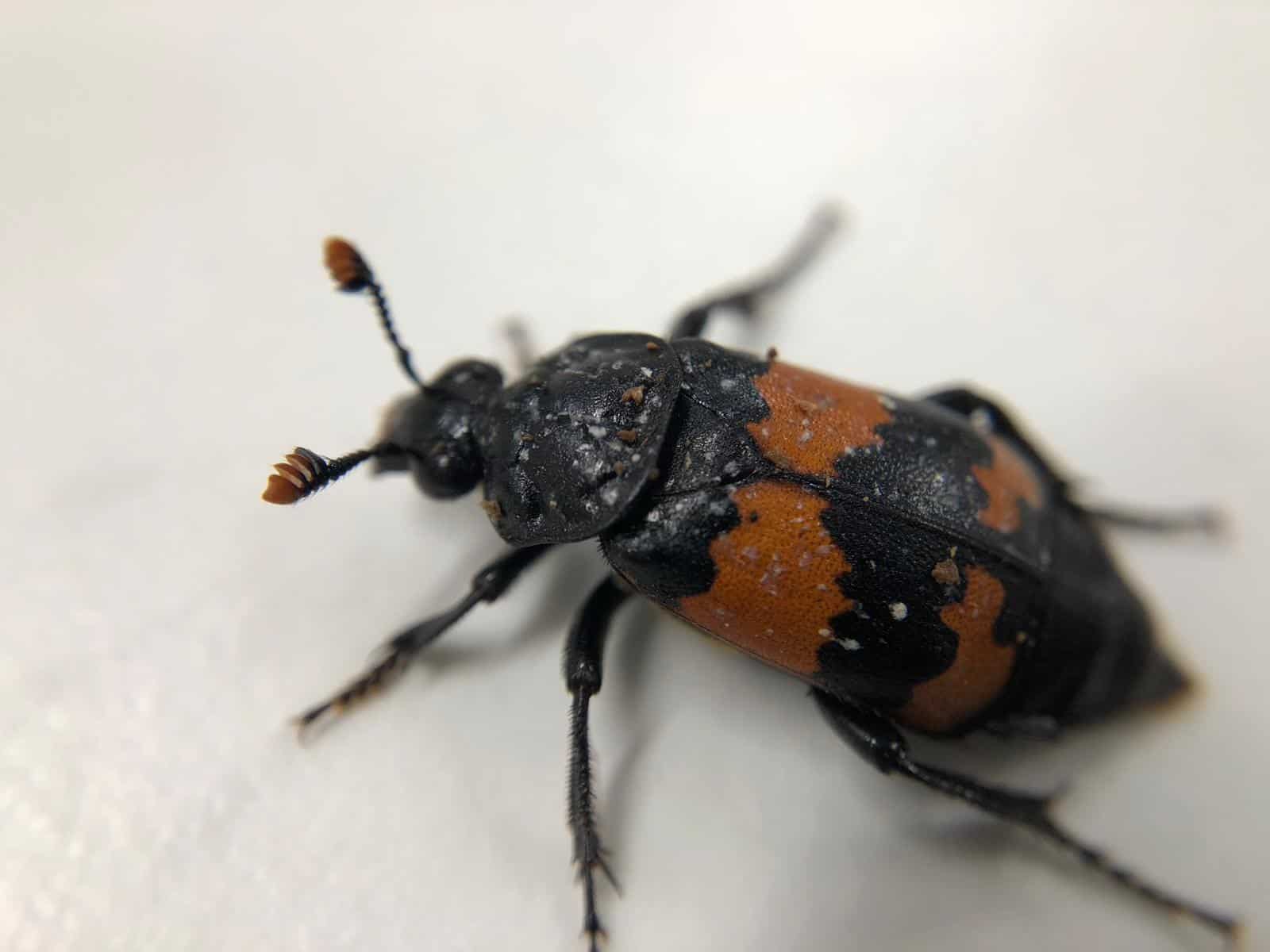
A Burying Carrion Beetle, (Source: Ashleigh Whiffin)

I really enjoyed this talk. Not only because of the interesting beetle information, but because it was comforting to see someone change their interests around post-degree, and still be incredibly successful in their eventual chosen field. While I’ve enjoyed my zoology degree, I’m not 100% sure I want to go into a relevant field, so it’s nice to see that I can move from this subject to another if I find something that catches my interest. Working in a museum like Ashleigh also sounds like fun! Curating and looking after exhibits to help educate the public would be really rewarding. Natural history museums are one of my favourite places to be, so working for one would be amazing!
Conservation in Hong Kong: Another Internship Opportunity

Another opportunity my internship gave me was a chance to meet and interview some conservation officers in Hong Kong! Dr Shaun Russell, the director of Treborth Botanic Gardens, had spoken to me a few times about people from Hong Kong and China who had visited the gardens.
(all photos by Natasha Lee)

Shaun told me about a woman who had visited in 1999, from the Hong Kong government conservation department. I am half Cantonese, and have a lot of relatives in Asia. During my internship I found out that my family planned to visit Hong Kong over Easter! I excitedly contacted Shaun, asking if he still had any contact with the people who visited from Hong Kong. Despite how long it had been (20 years!) he was still able to reach out to them! He gave me their contact details, and closer to the trip we arranged to meet.

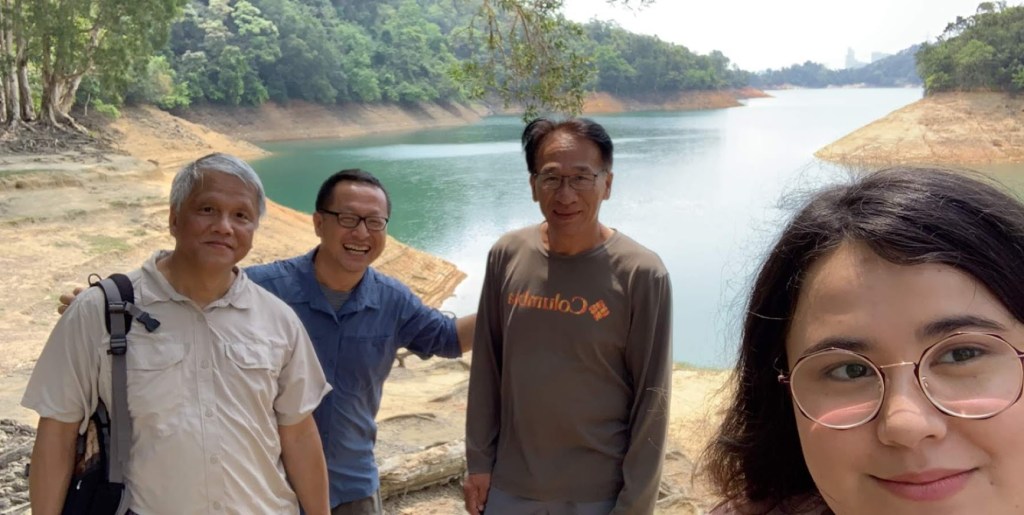
I was a little apprehensive at first, as I usually spend all of my time in Hong Kong with family. This was my first time travelling alone somewhere so far away, and while English is an official language in Hong Kong, not everybody speaks it. Thankfully, everything went smoothly! I met with three people from the government Agriculture, Fisheries and Conservation department, who were really friendly and answered all my questions.

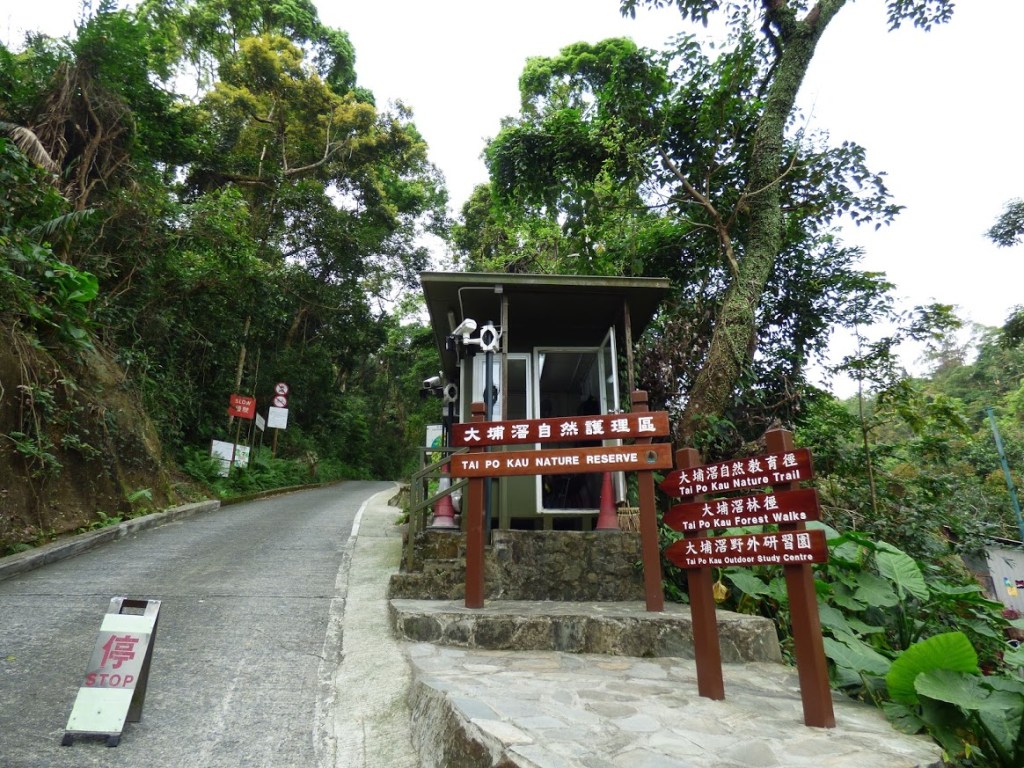
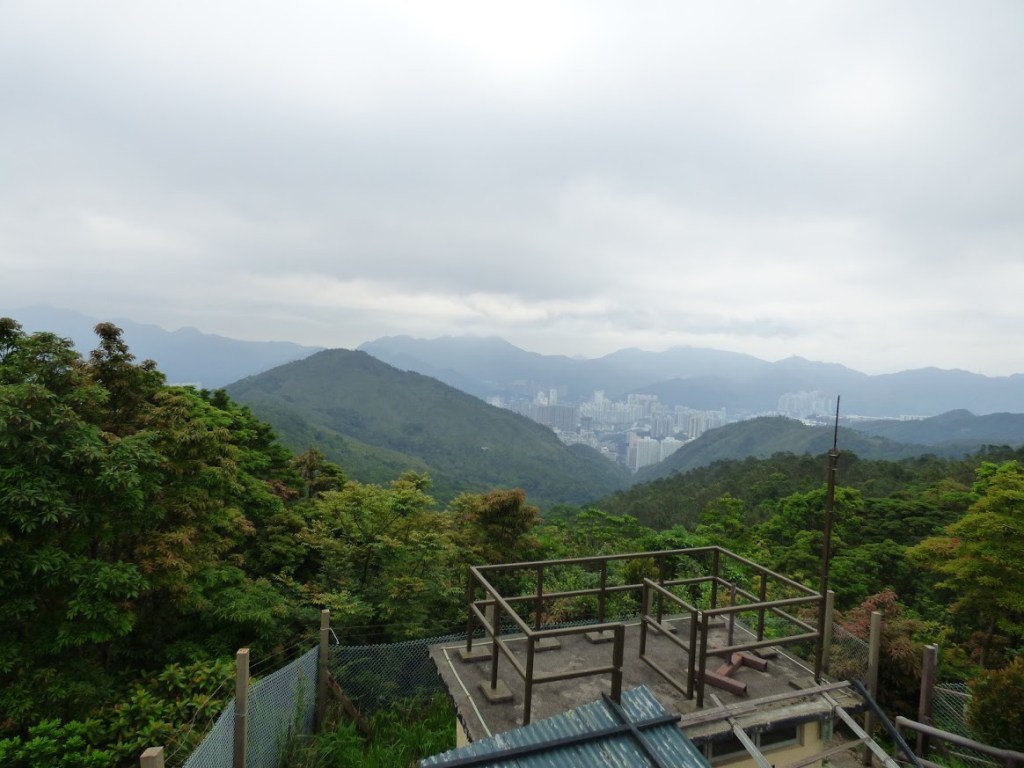
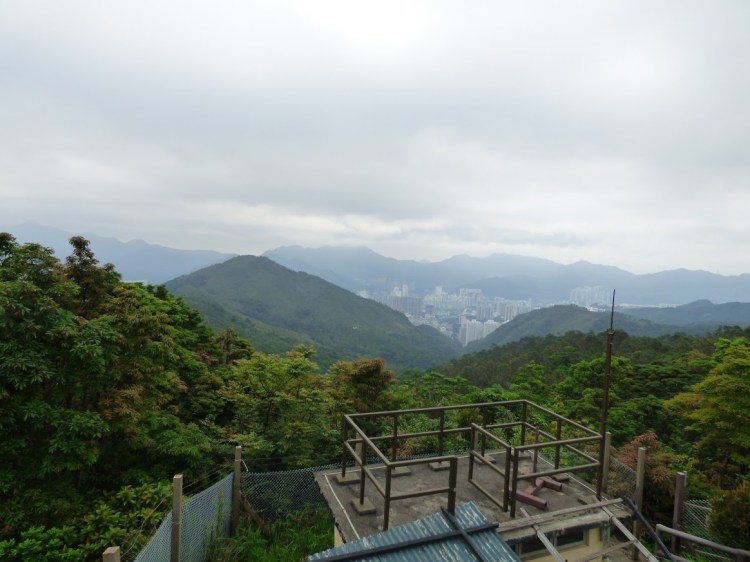
I got to be driven around the Tai Po Kau Nature Reserve in an official government vehicle (regular cars are prohibited) while asking about the park and what conservation work is like here. They told me about different issues they’ve faced and what parts of the park are most popular. Less than 25% of Hong Kong is the developed city you typically picture, and over 40% of Hong Kong’s land is dedicated to country parks and protected nature areas!

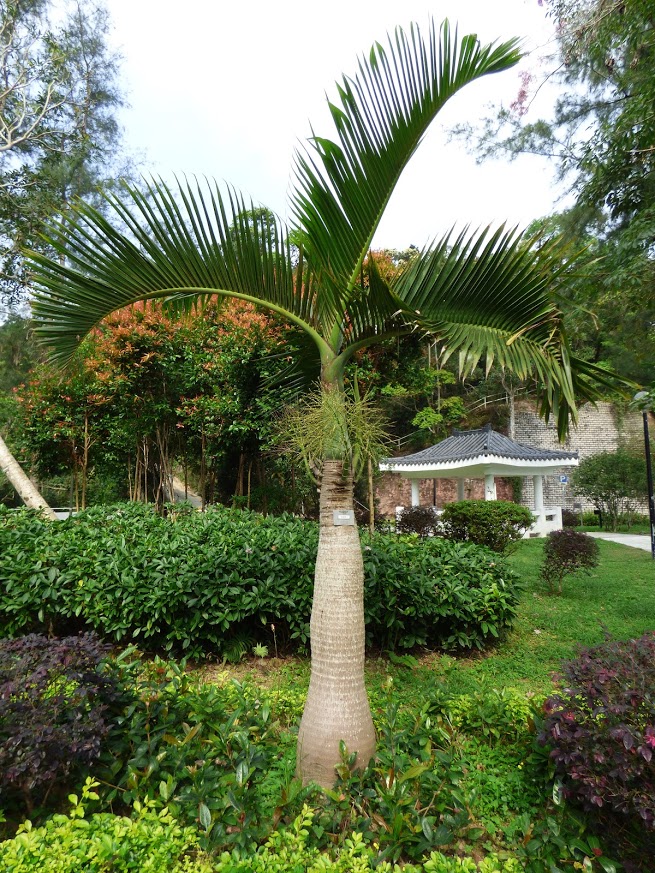
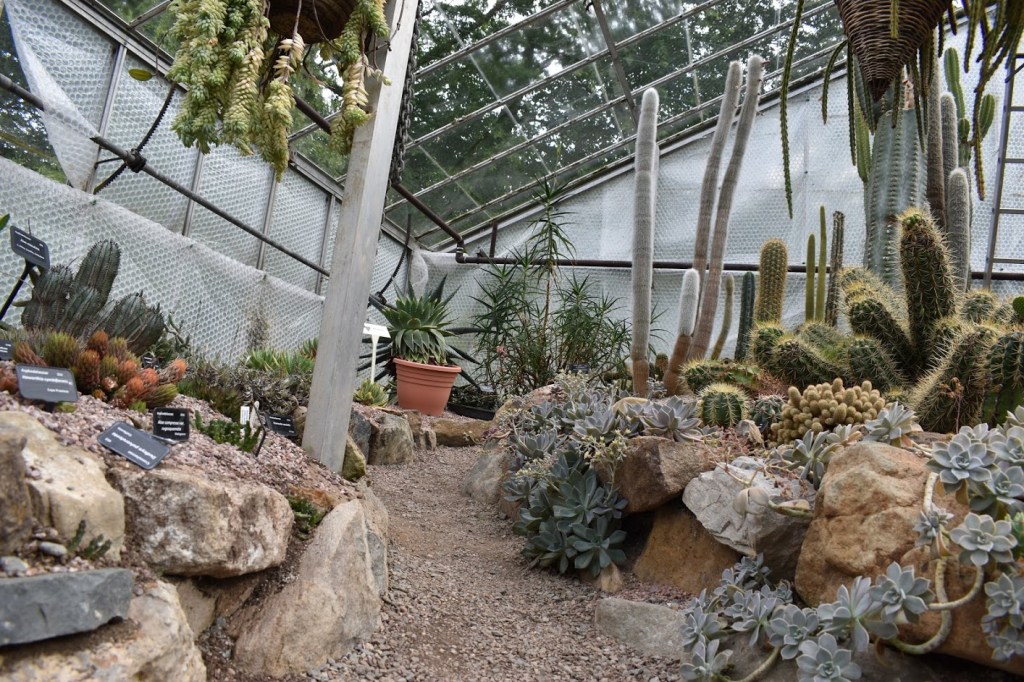
I was shown the conservation office at the park, an old fire lookout station, and the second tallest point in Hong Kong! I was also taken to Hong Kong’s largest Arboretum, and the nearby quarry lake. The whole experience was incredible, and I feel so lucky to have been able to do this.
Hong Kong feels like a second home to me, despite growing up in the UK. I am surrounded by my culture, as well as some great weather and food! While I am worried about the current political climate, I would still love to work here one day. There are so many nature parks, reserves and zoos that would be incredible to be a part of! I treasure every trip I’m able to make to Hong Kong, and hope that I can head back soon.
My University Internship Experience at Treborth Gardens

The biggest career influencing experience I have had at university has definitely been my internship. During my second semester of second year, I was lucky enough to get a paid internship position at Treborth Botanic Garden. This involved taking photos of the various plants and wildlife around Treborth Gardens, in order to help create a photo database of everything.

(all photos by Natasha Lee)

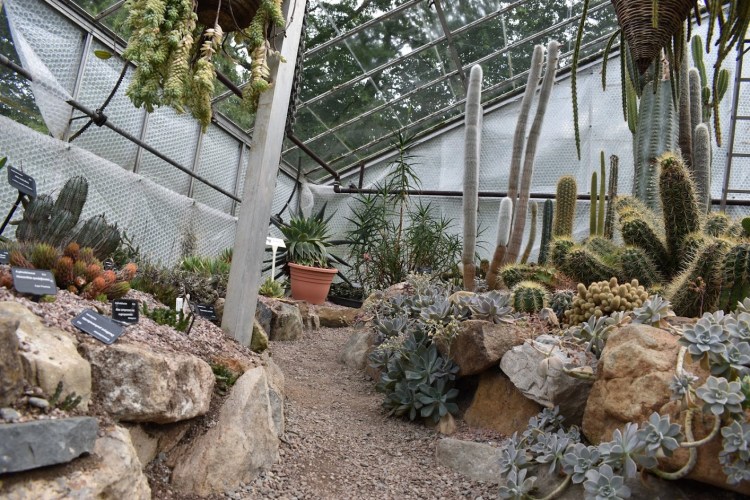
During my interview I used photos shown in previous blog posts, as well as some from other trips. I couldn’t believe I got the job! Being paid to do photography was something I had only dreamed about in the past, and now it was already happening. All of the staff and volunteers were incredibly friendly and helpful! I quickly got to work taking photos of the different plants kept here, my favourites being the ones kept in the greenhouses.

This internship presented me with some interesting challenges. I had to create a cloud database, identify the plants I was photographing, and organise and edit not only my photos, but the photos taken by other interns before me. However, I persevered with the help of Natalie Chivers, Treborth’s curator, and other staff and volunteers who helped me with the cloud database and identifying plants.

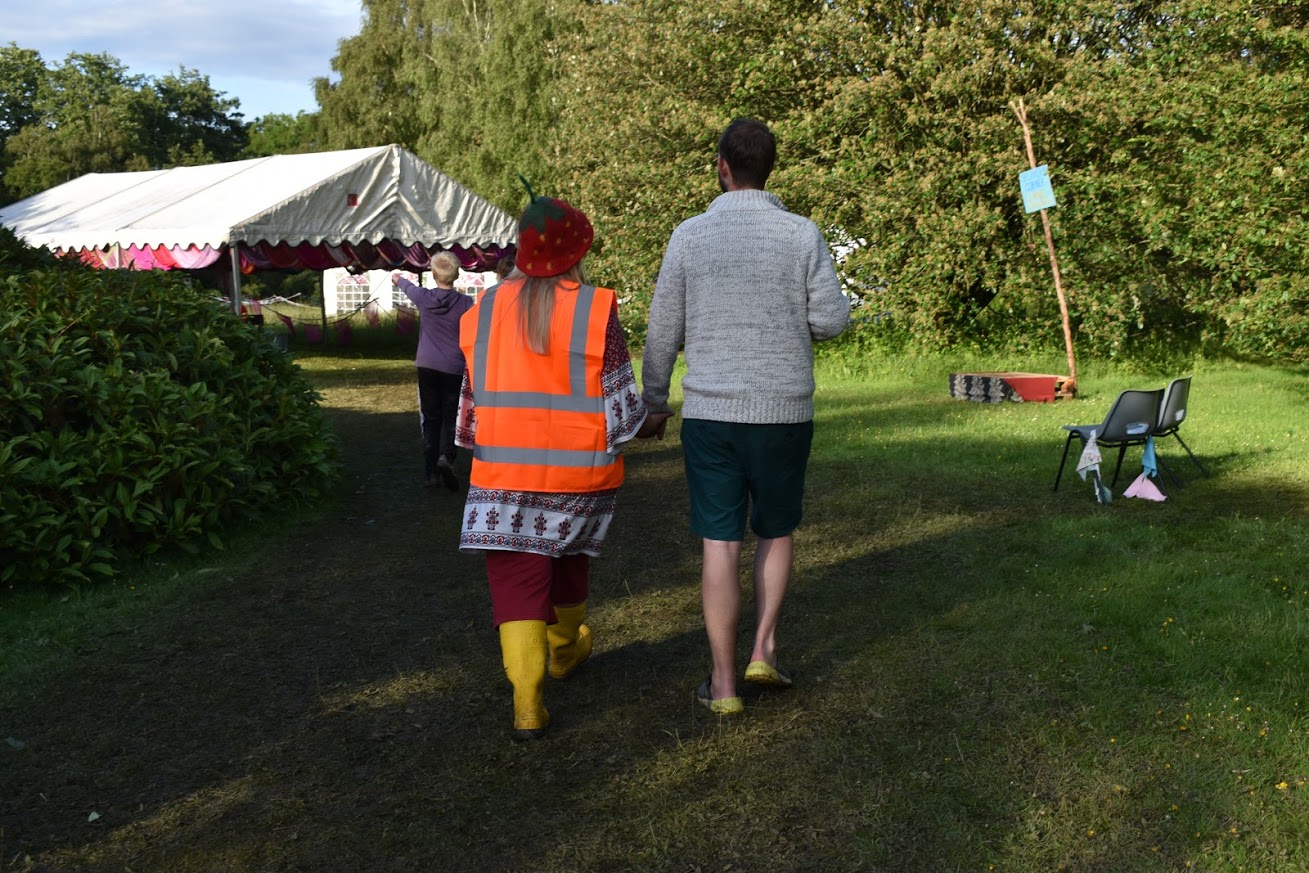
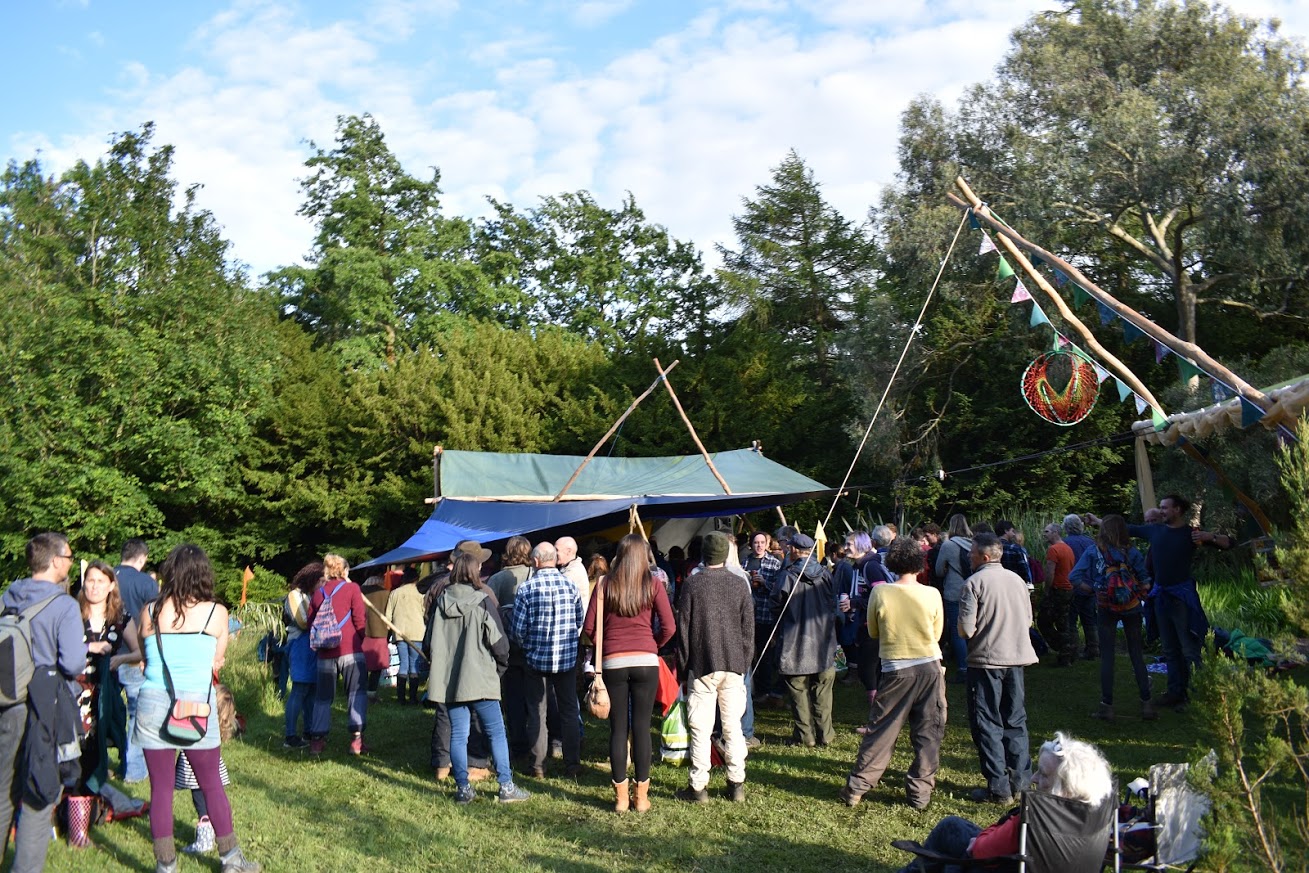
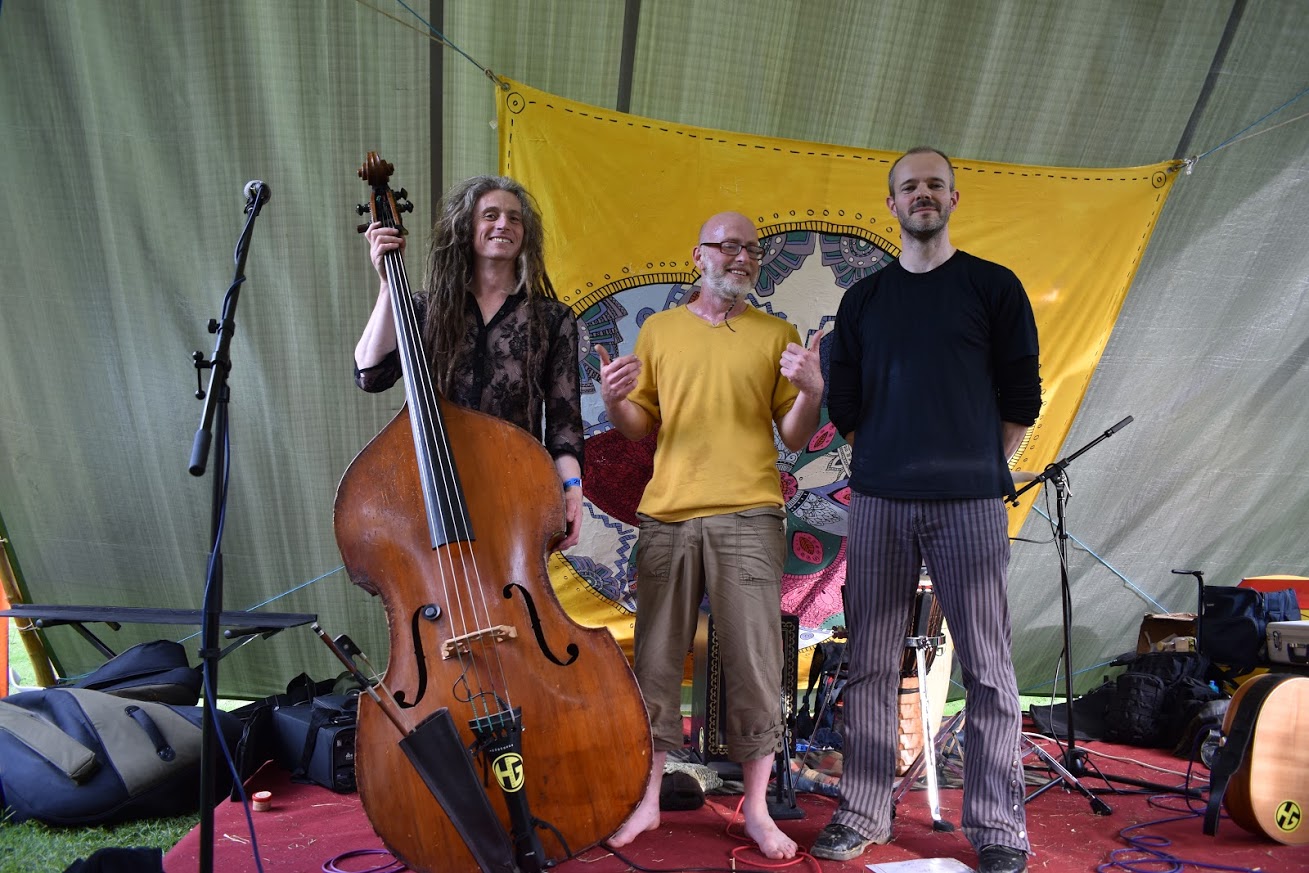
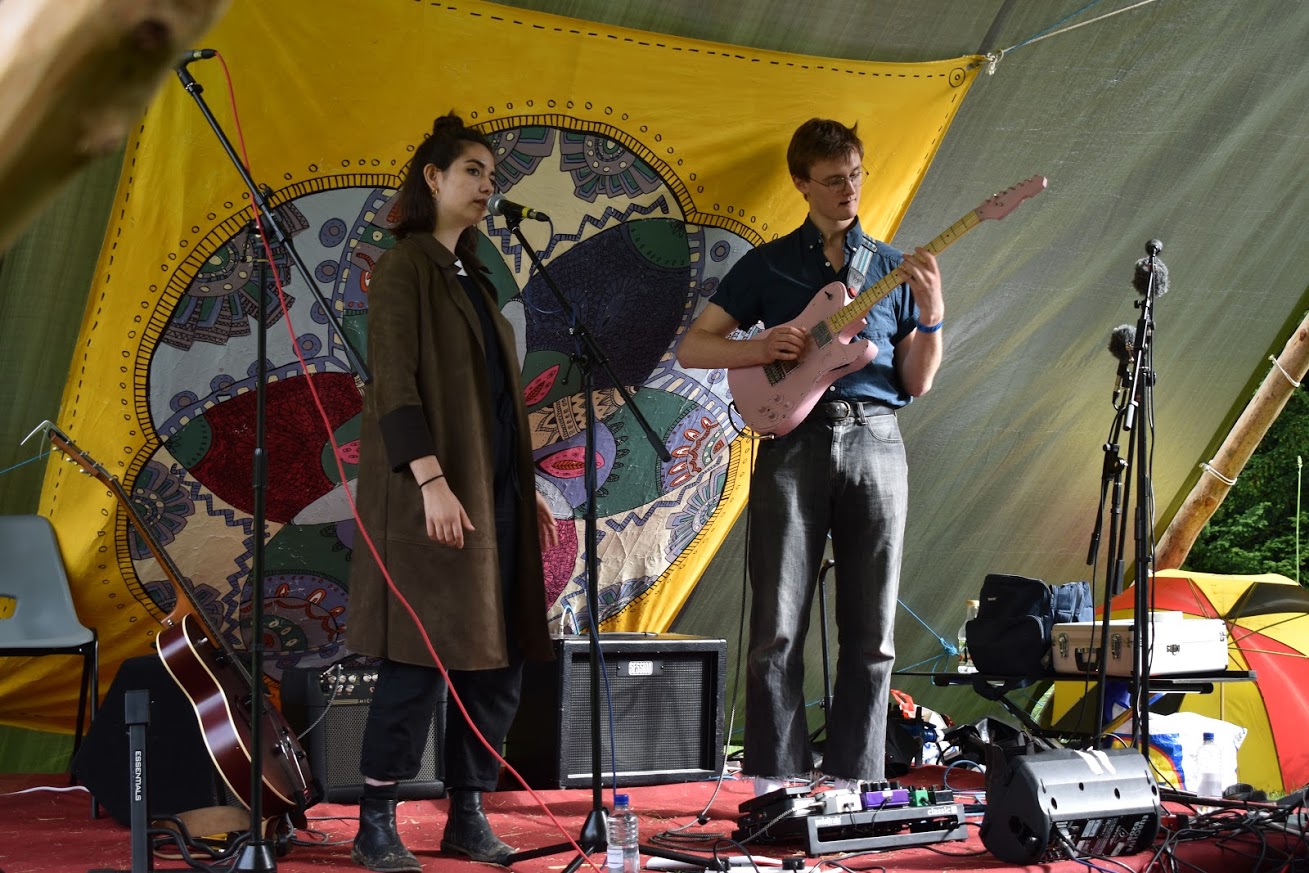
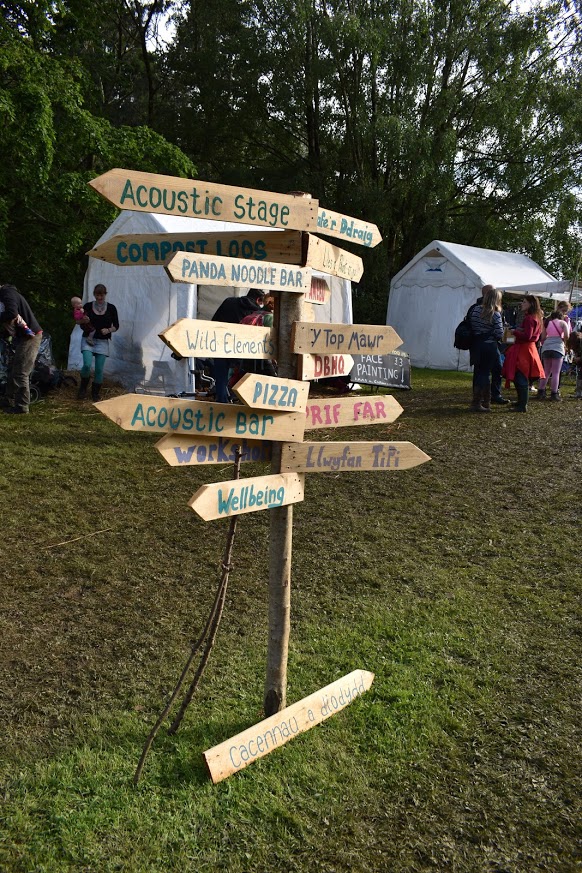
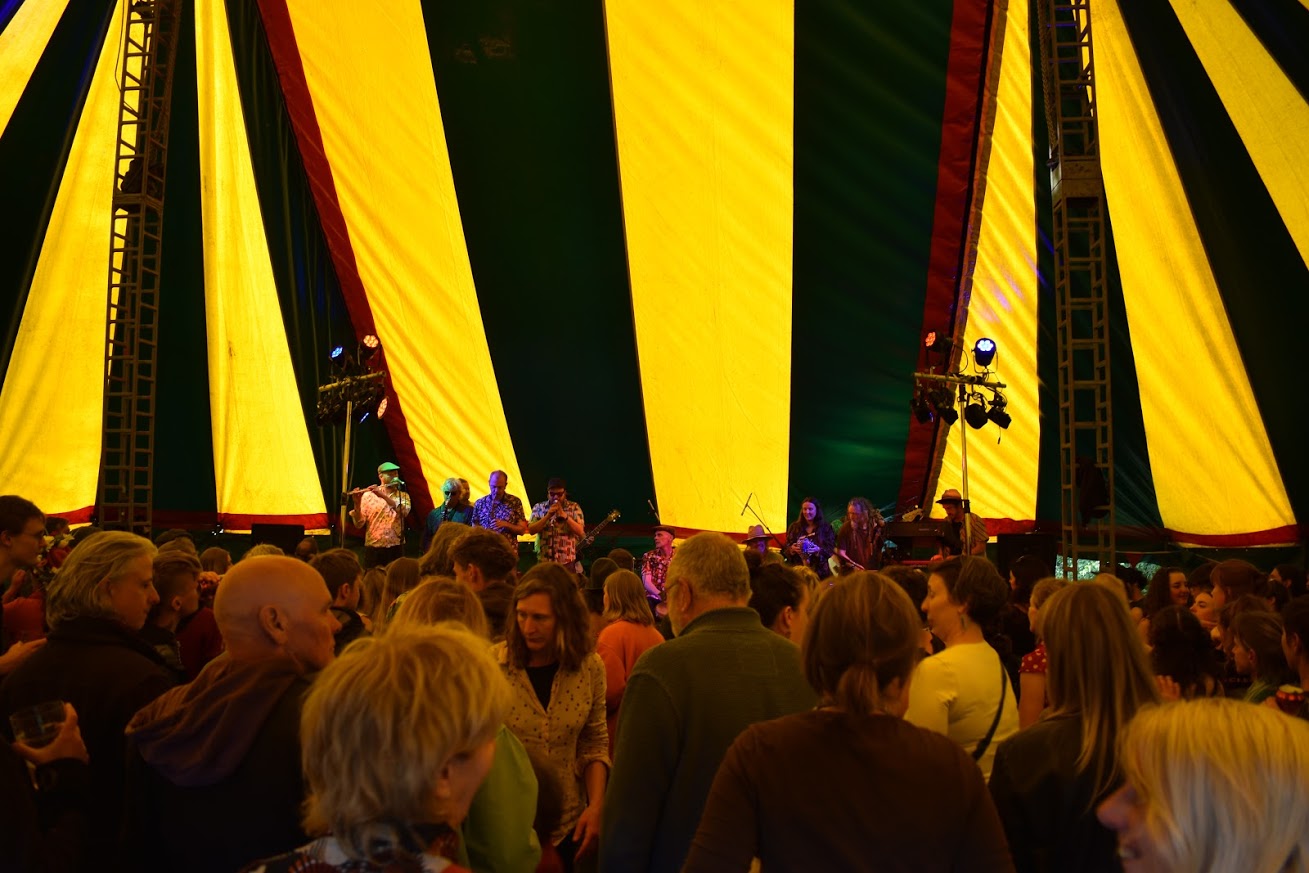
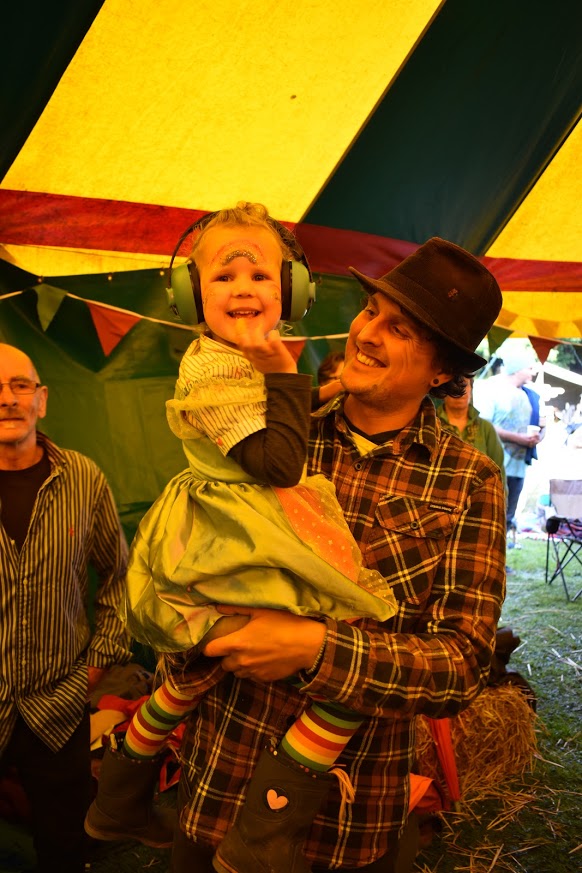
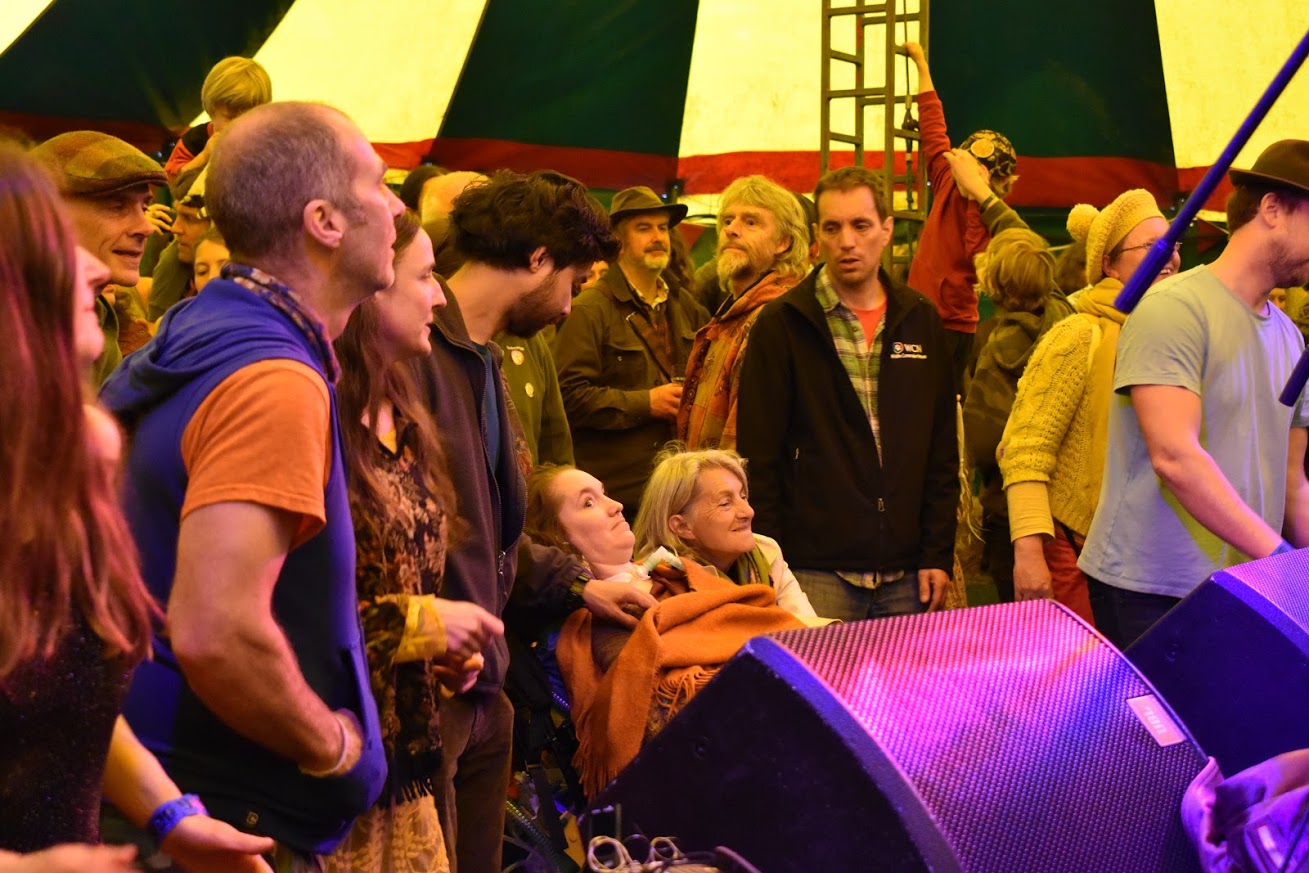
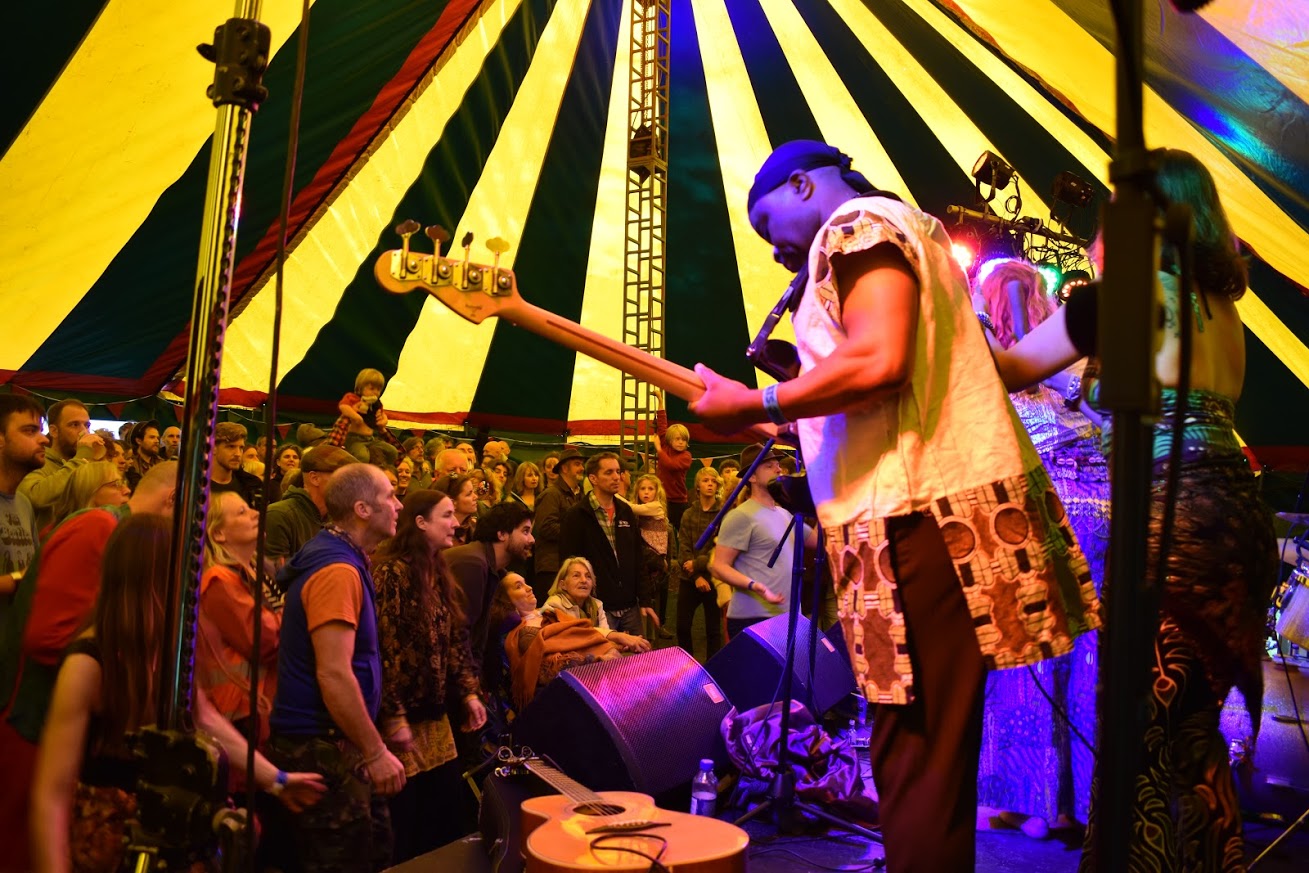
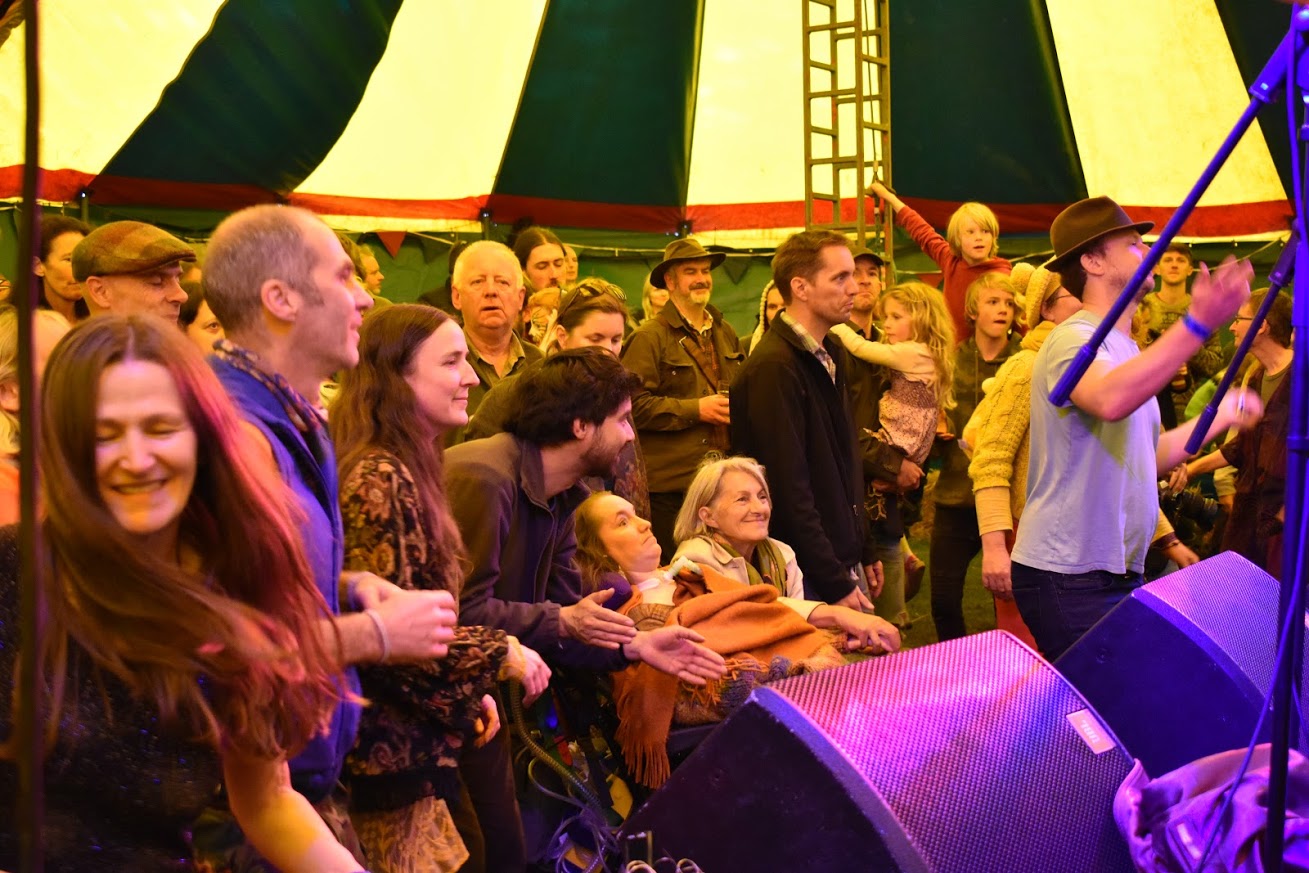
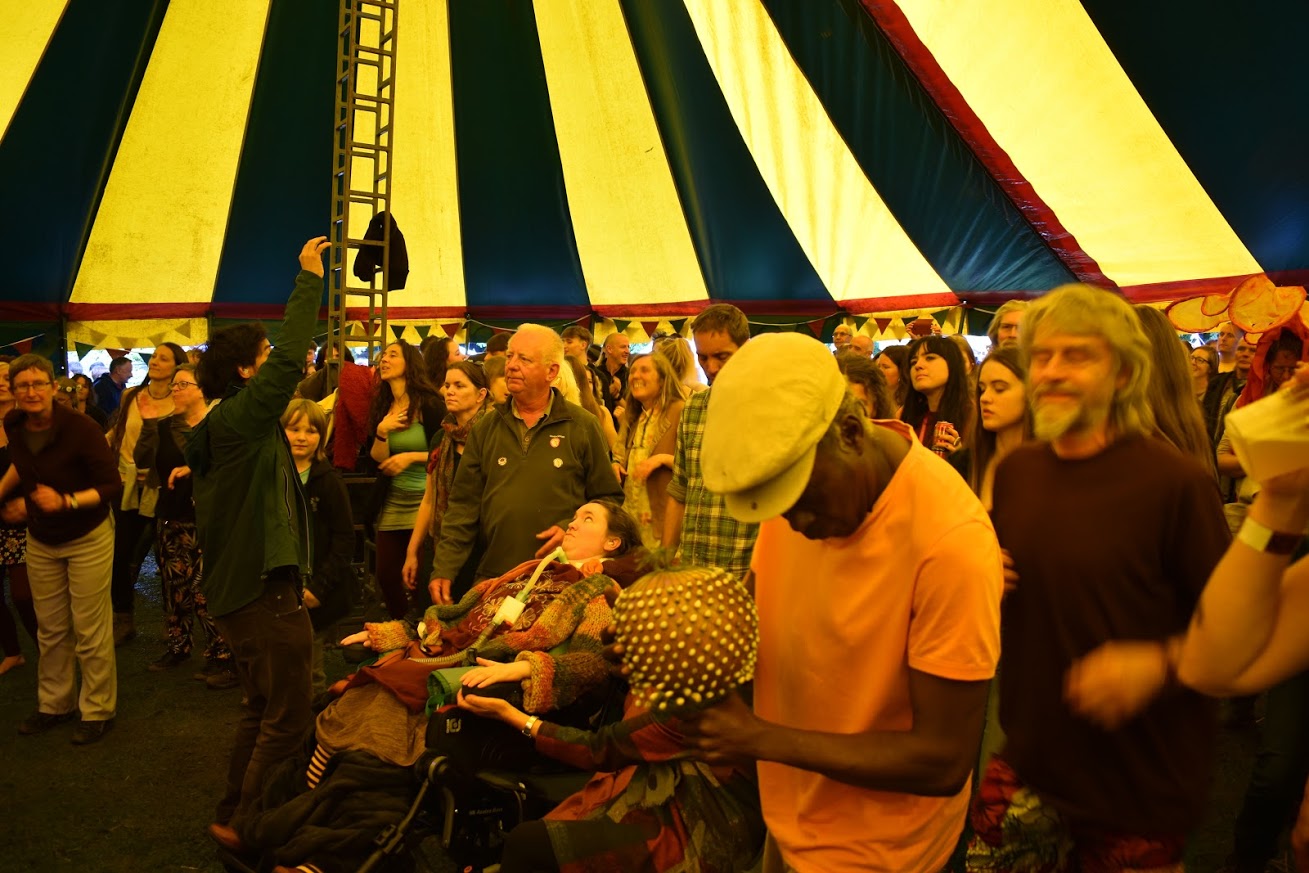
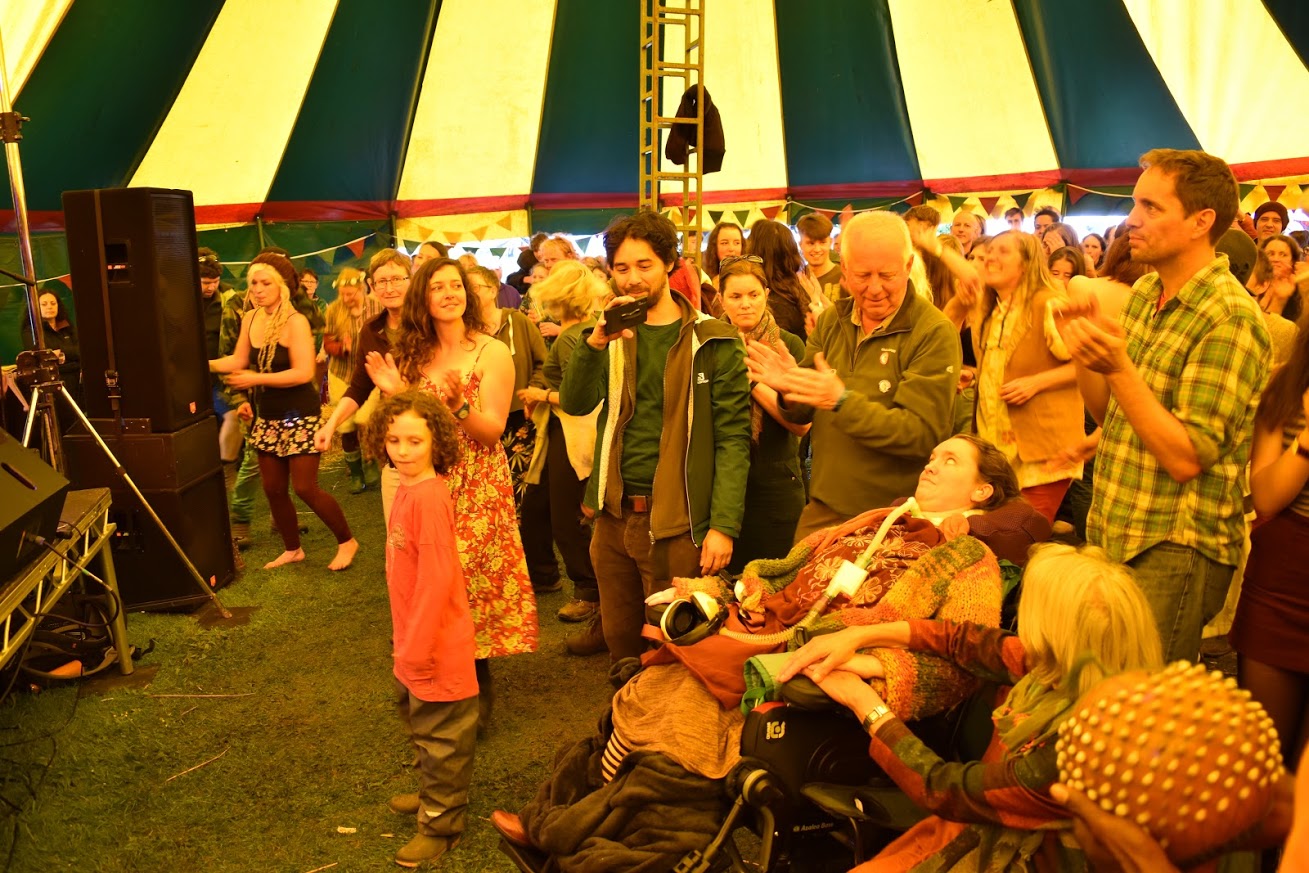
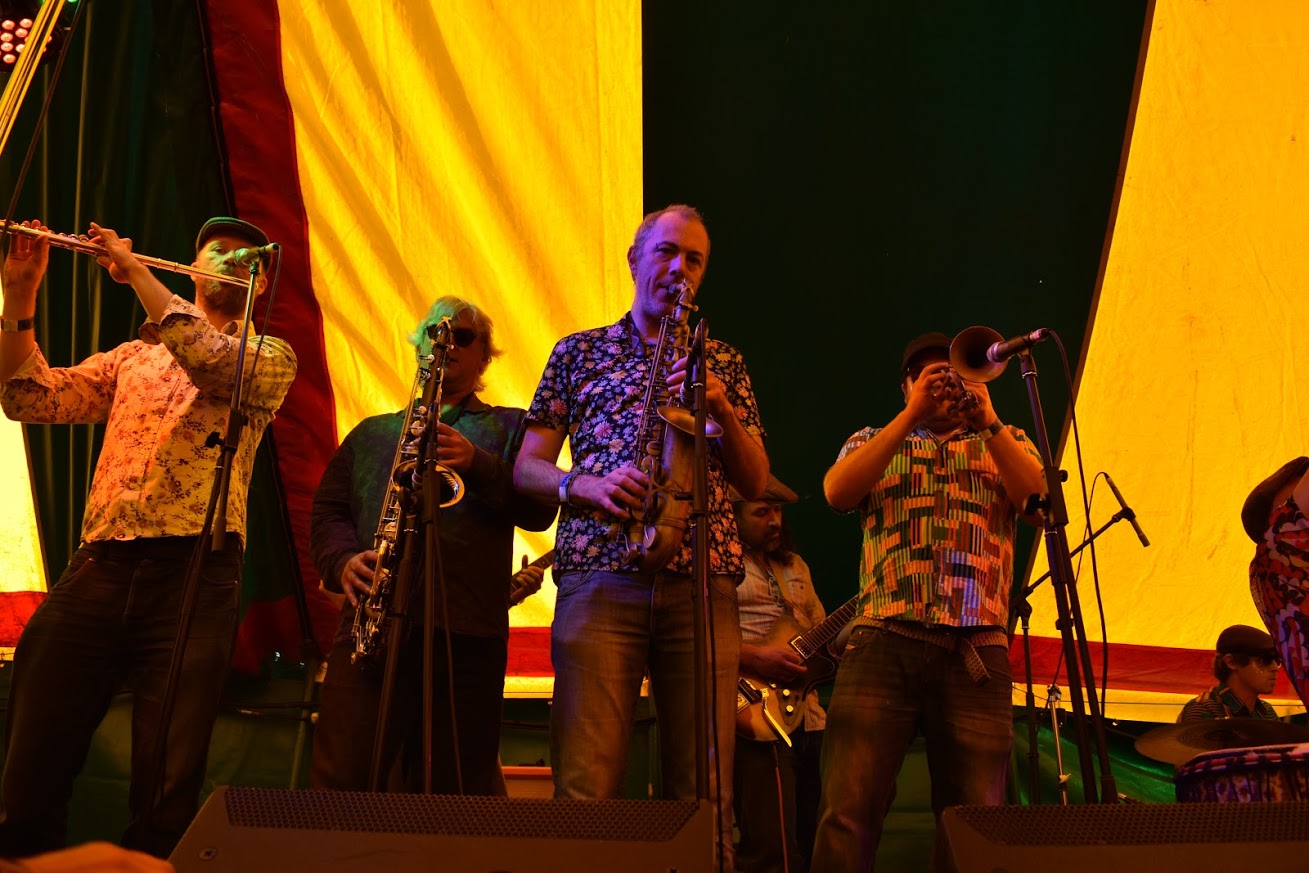
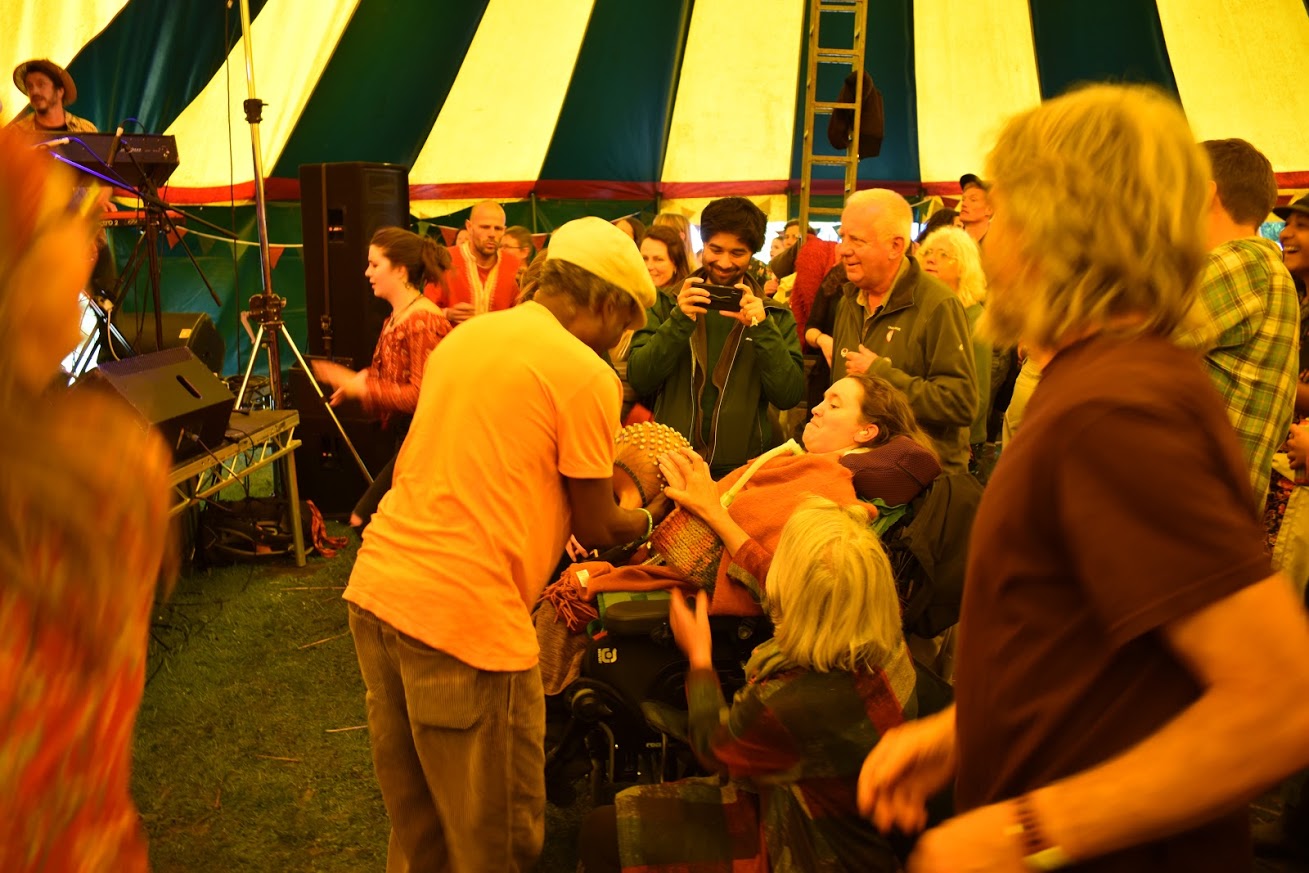
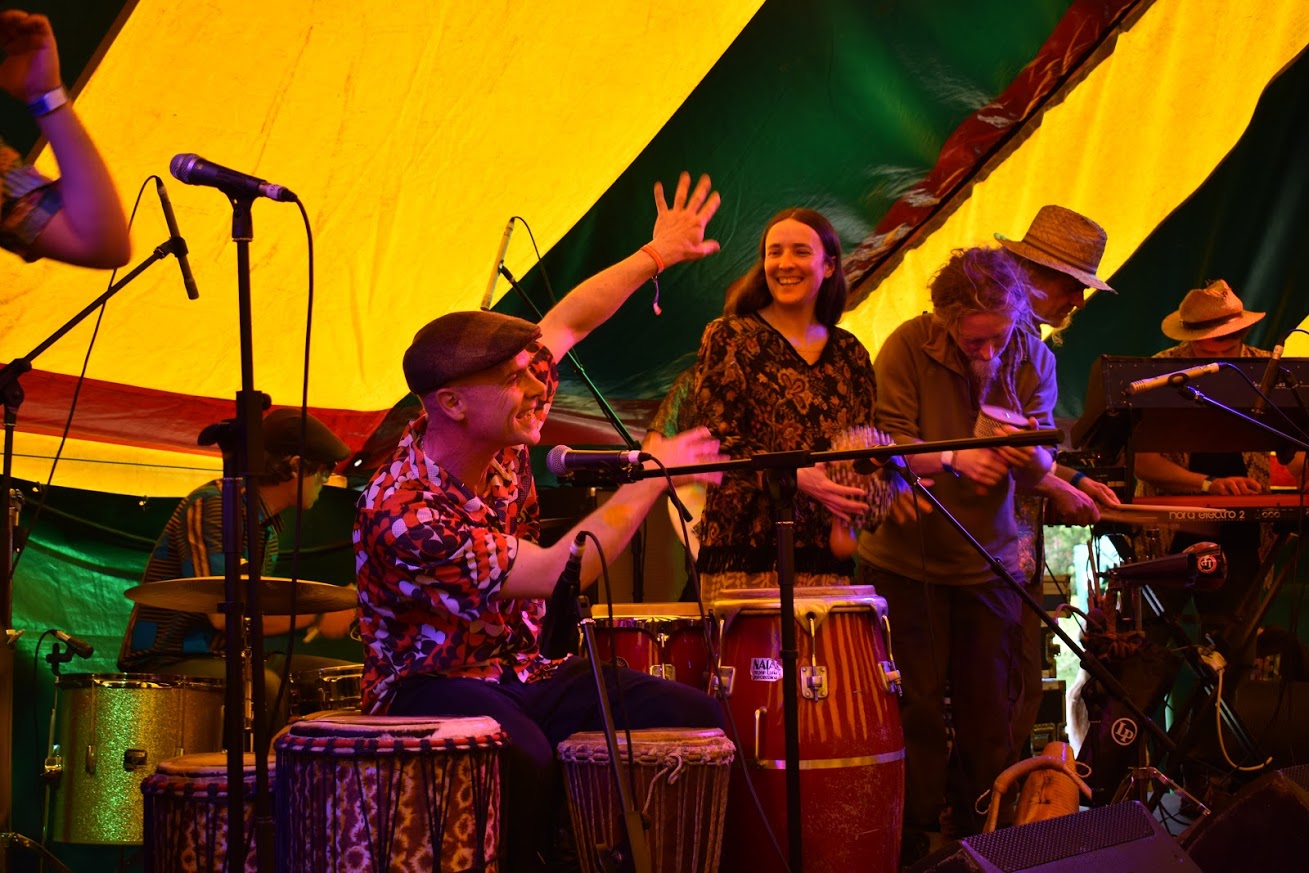
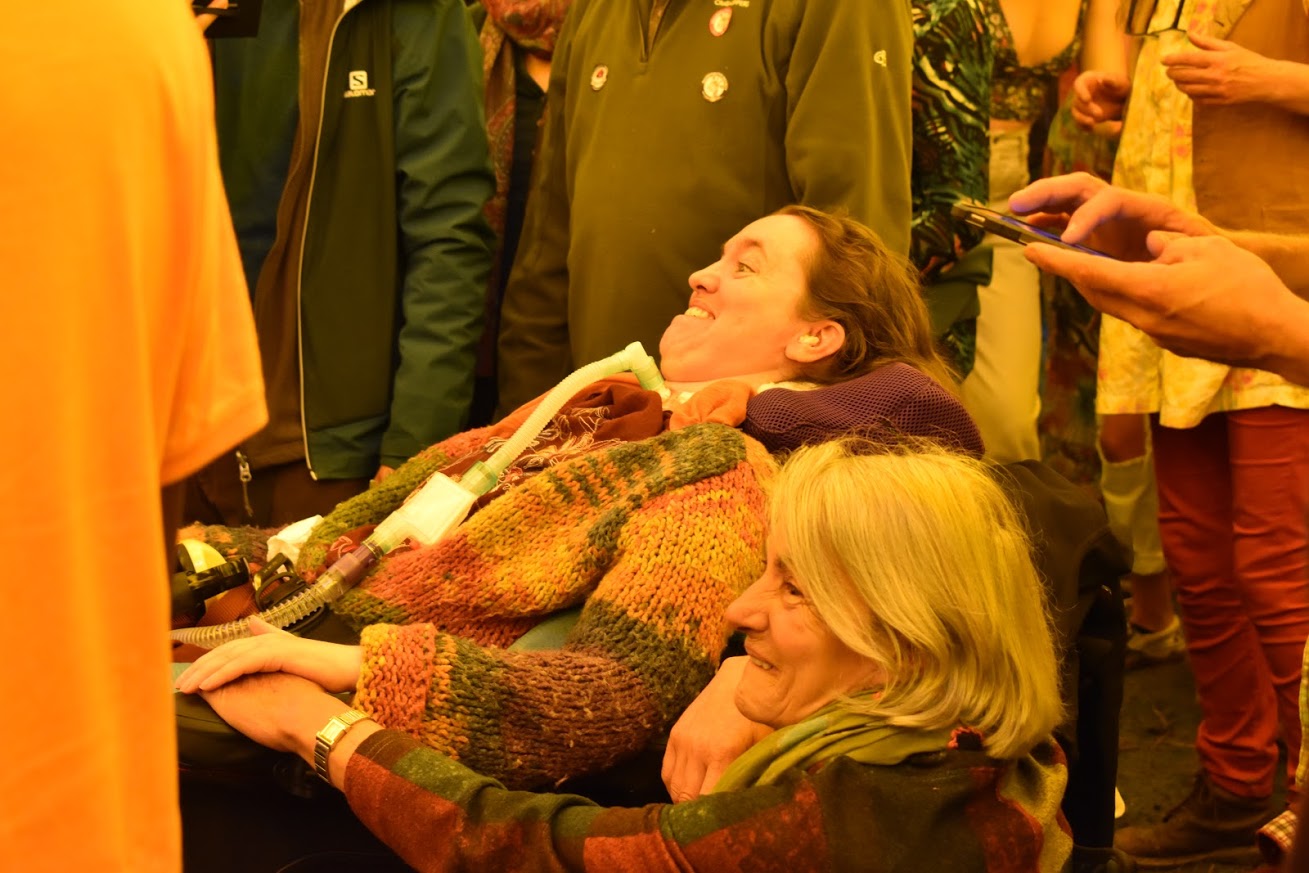
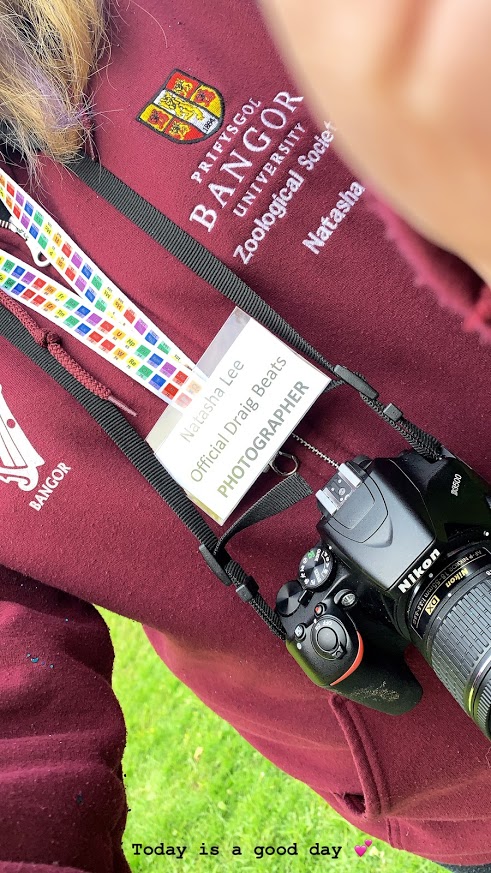
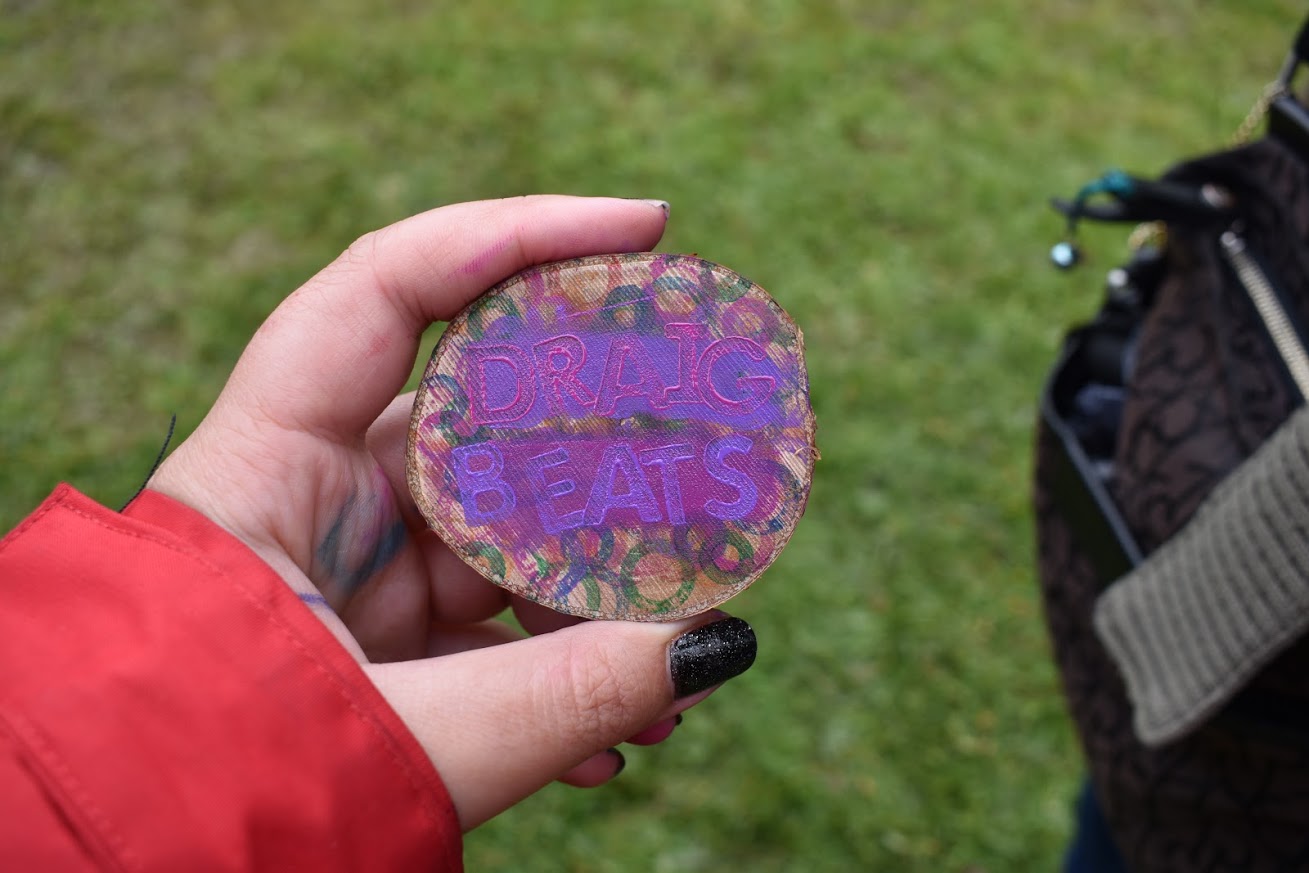
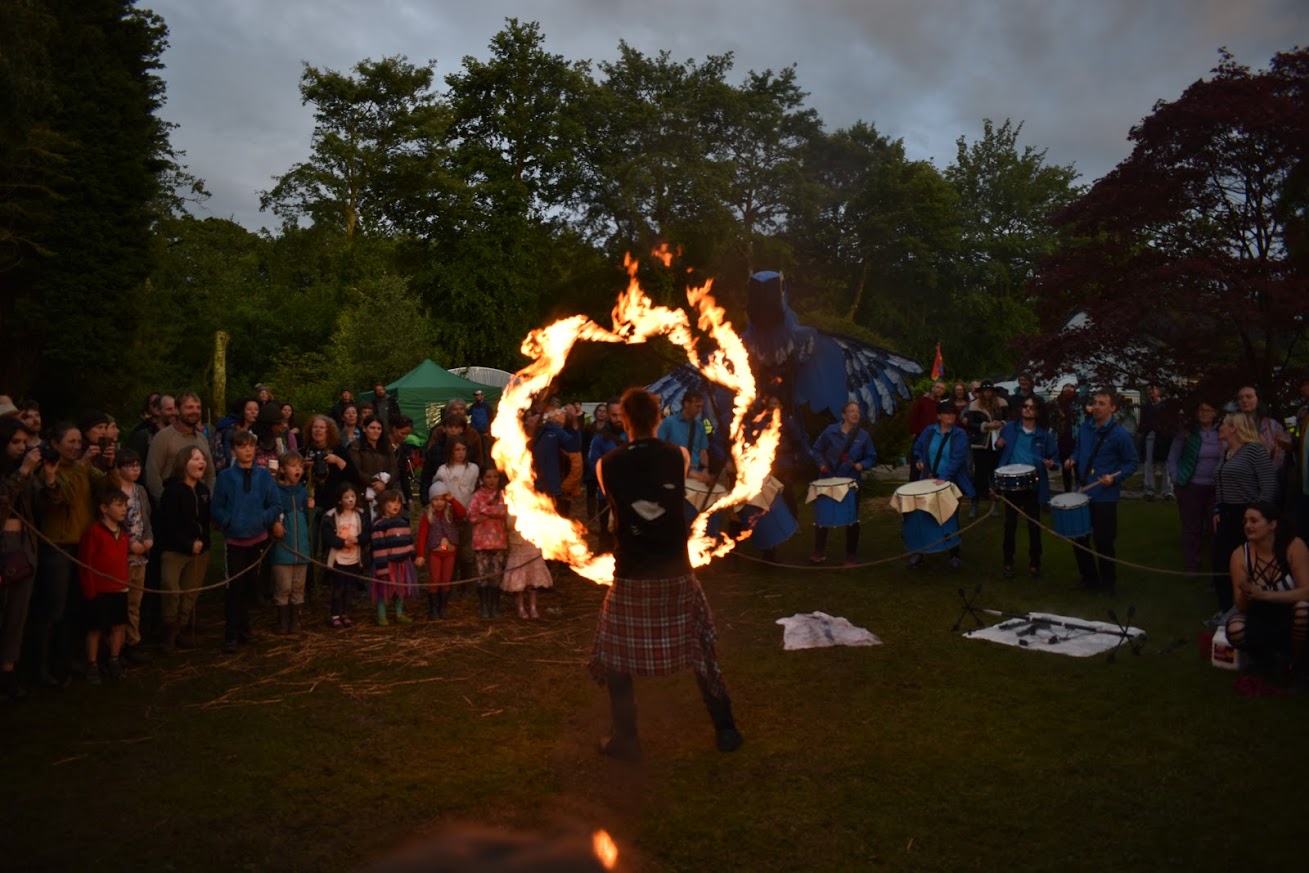
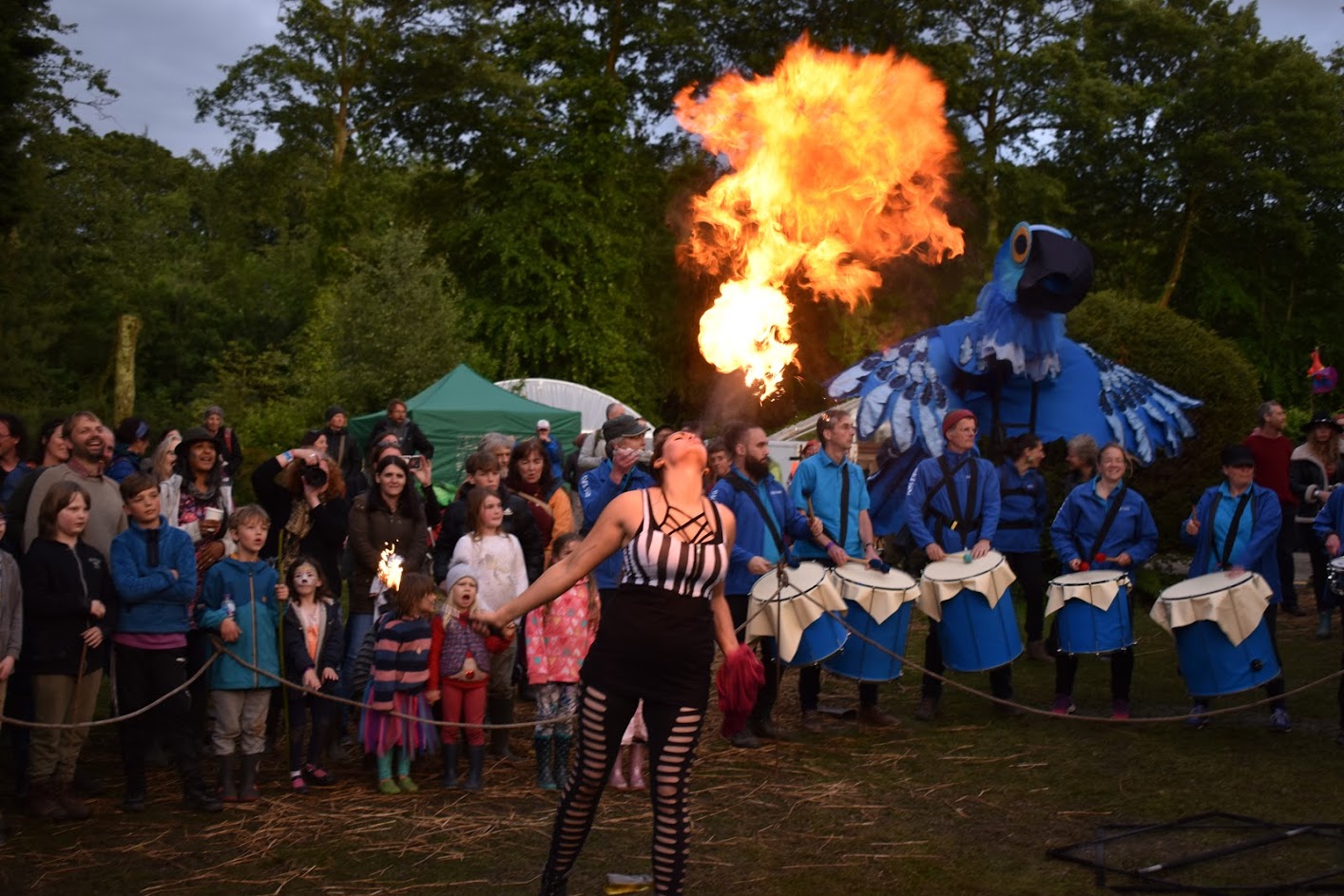
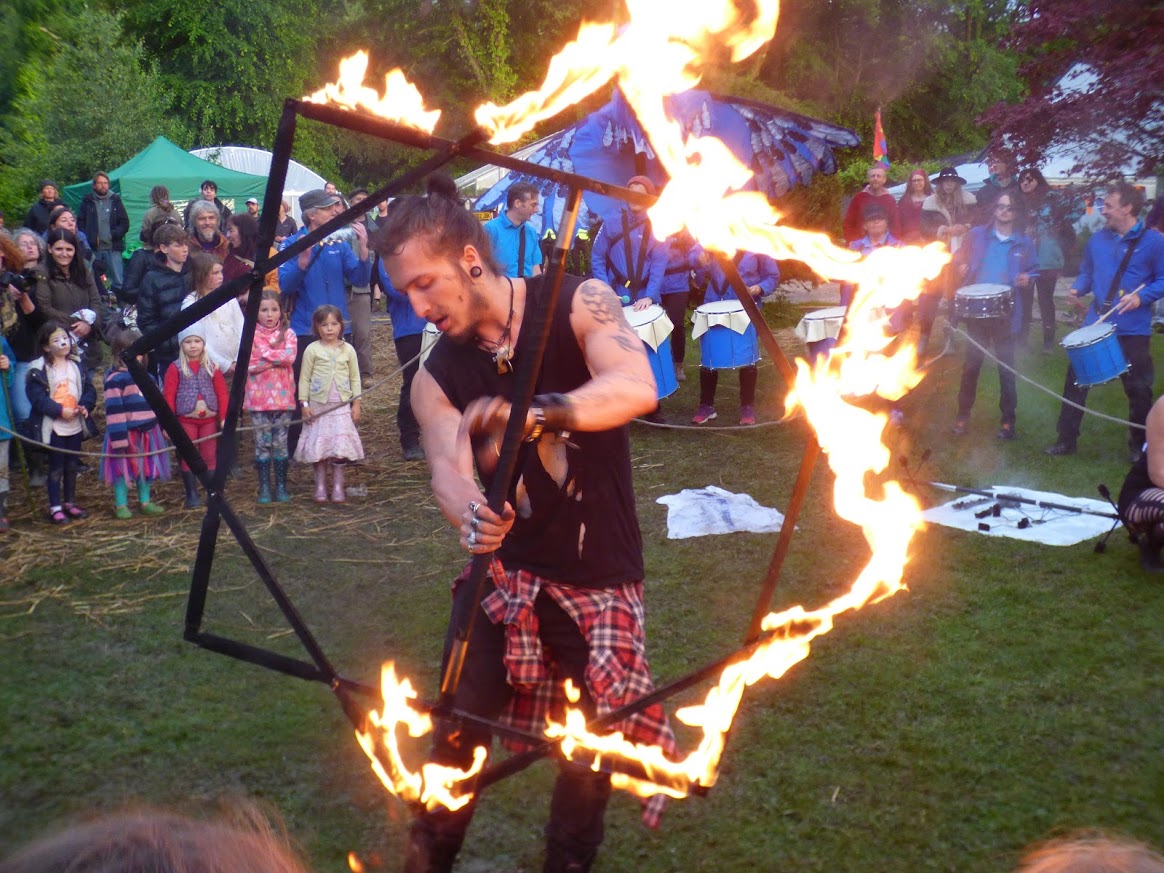
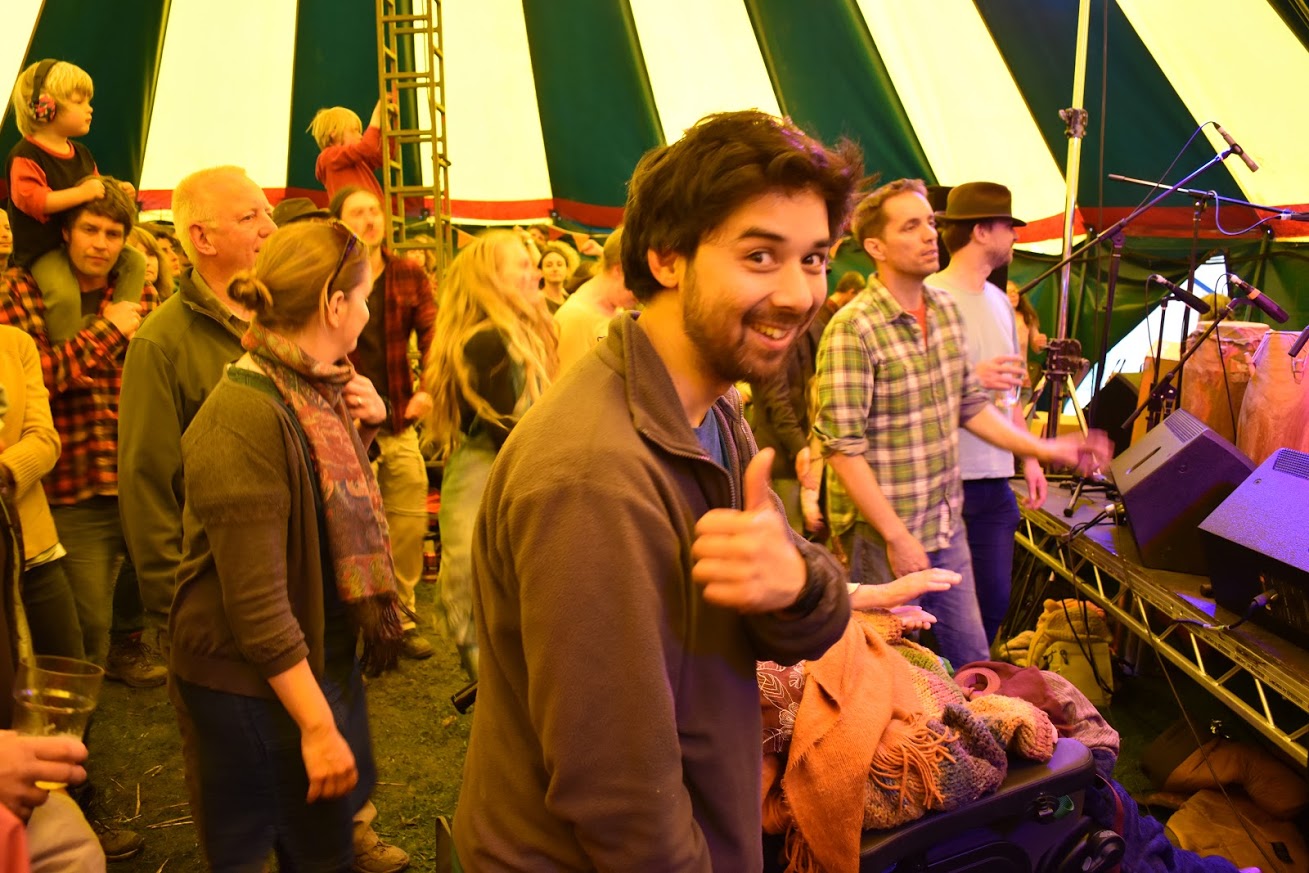
One unexpected opportunity that occurred during this internship was the chance to be a photographer for the second annual Draig Beats festival. This festival is held as a fundraiser for honorary university professor Dr Sophie Williams, who was a full time lecturer at Bangor University before contracting Japanese Encephalitis in 2015. Getting to be an official photographer for this special event felt like such an honour.

A selection of photos from the Draig Beats festival, including Dr Sophie Williams.

Looking through these photos always puts a smile on my face. It was such an incredibly happy day! Being able to capture such wonderful moments felt so rewarding. Before this event, I was worried I would only be good at taking pictures of animals, and that I would not enjoy taking these photos. But I thankfully proved myself wrong, and have come to realise that I love all kinds of photography. I can’t wait until the pandemic is over so I can come back to Treborth gardens, and do some more photography!

A Floridian Field Trip

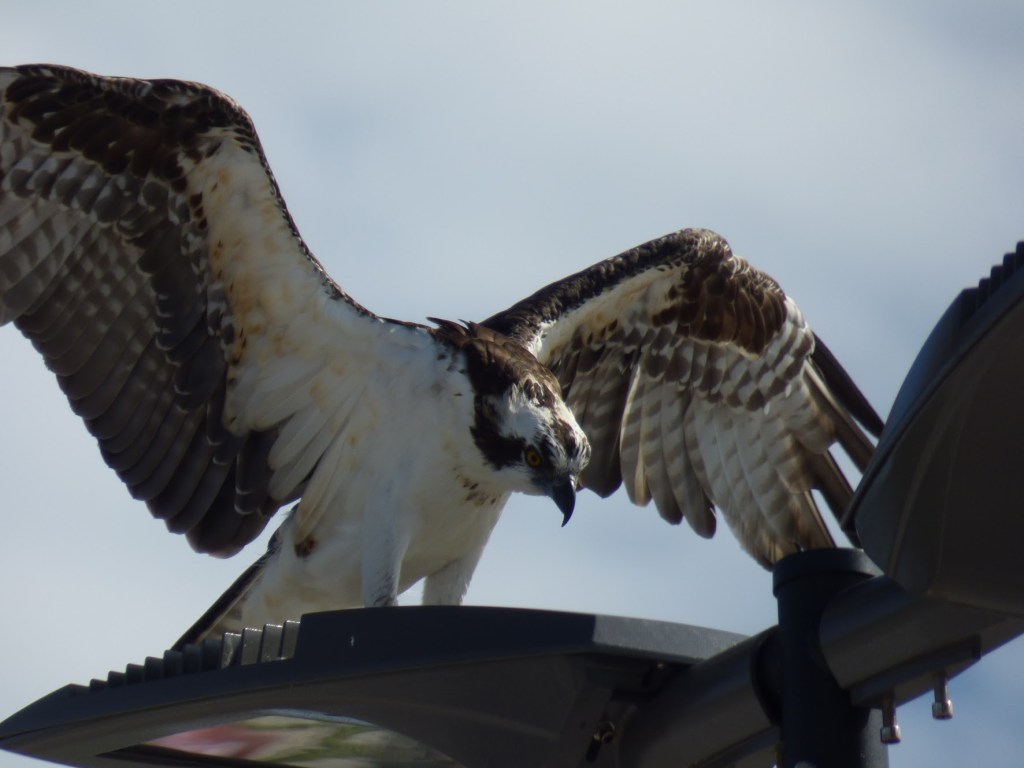
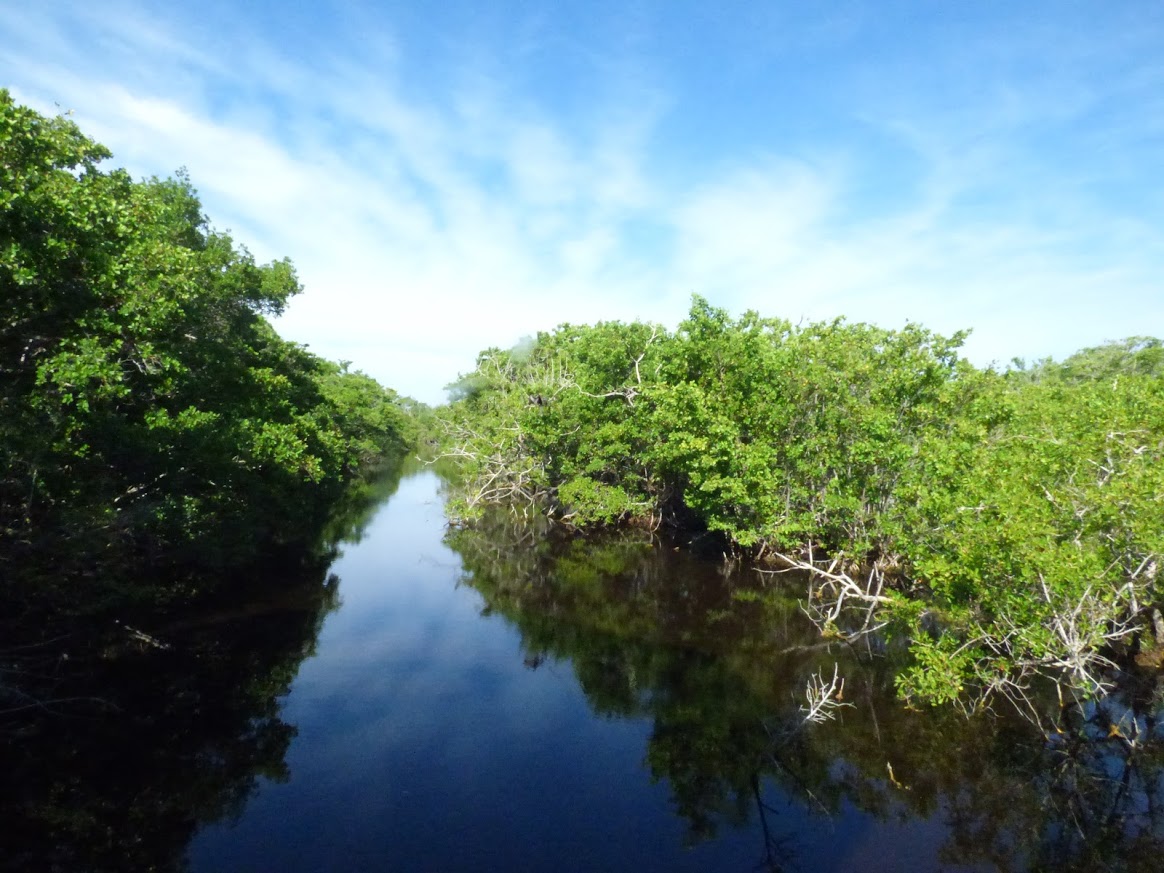
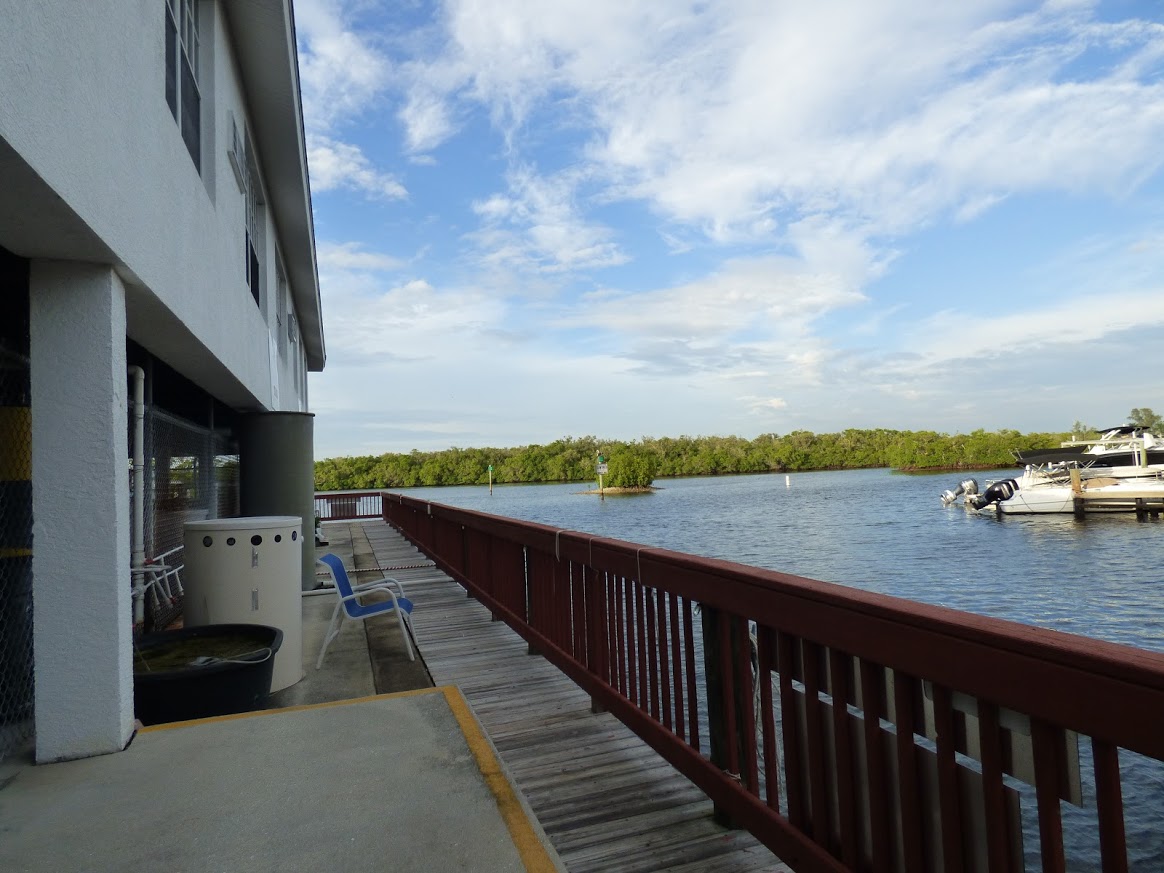
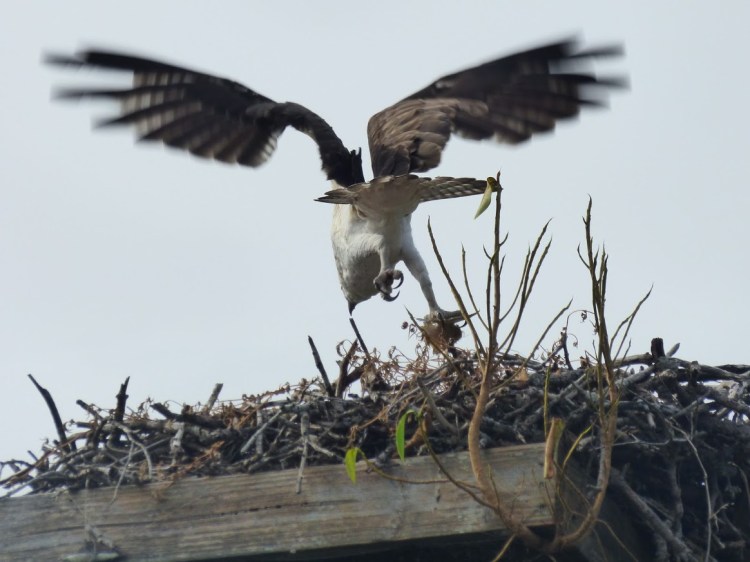
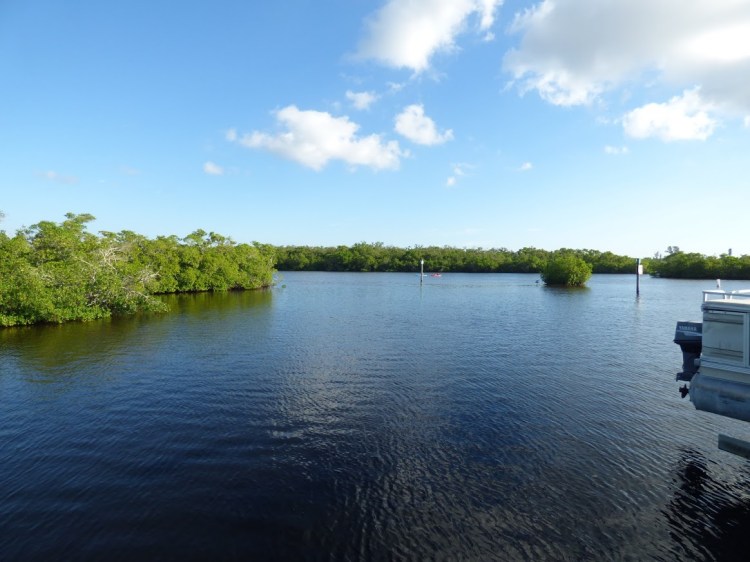
In second year, I had what was arguably my favourite university related experience. A field trip to Florida! This was my first time visiting the US, and I was incredibly excited for it. We landed at Fort Myers and stayed at Vester Research Station, an absolutely beautiful place right by the mangroves. While the main activity we were here for was to collect and examine some samples from two areas, the main thing I loved was visiting the parks and reserves. While getting food for the week, we saw our first animal – an osprey in the car park!

(all photos by Natasha Lee)

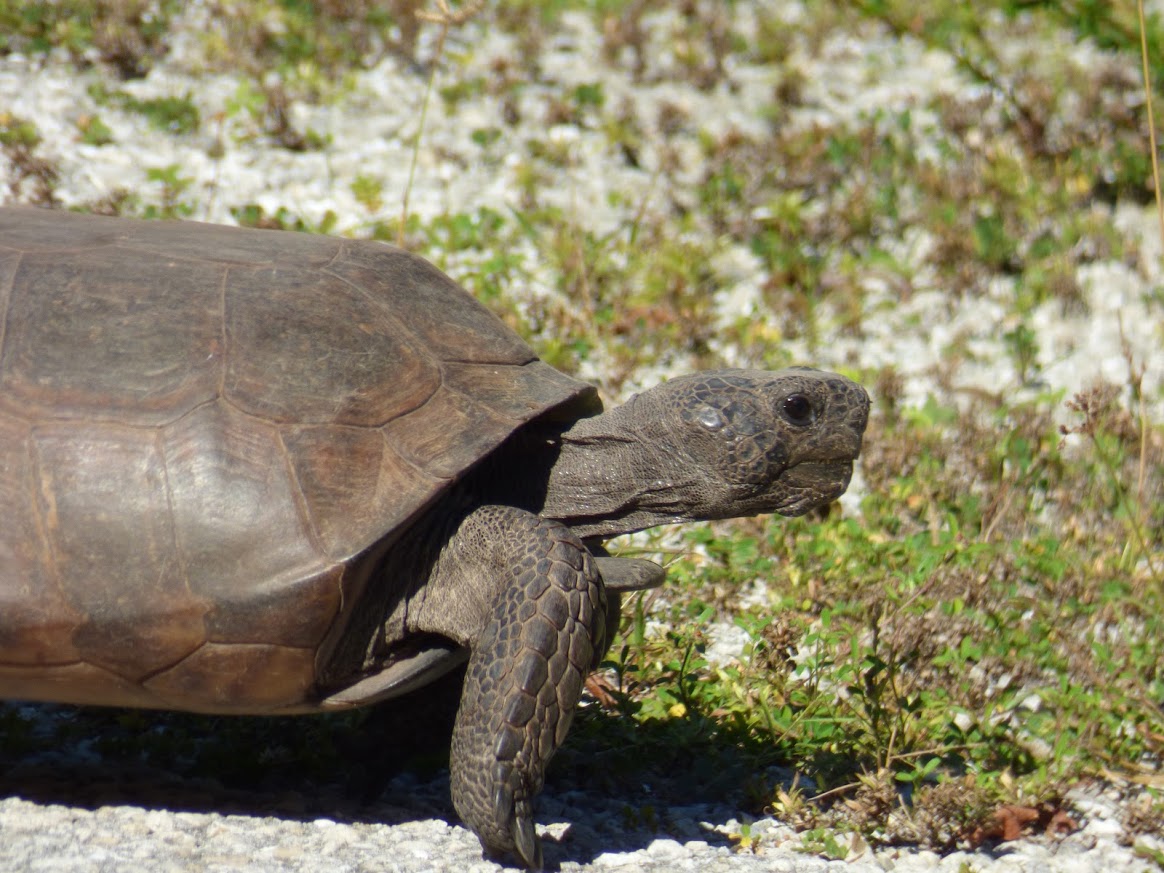
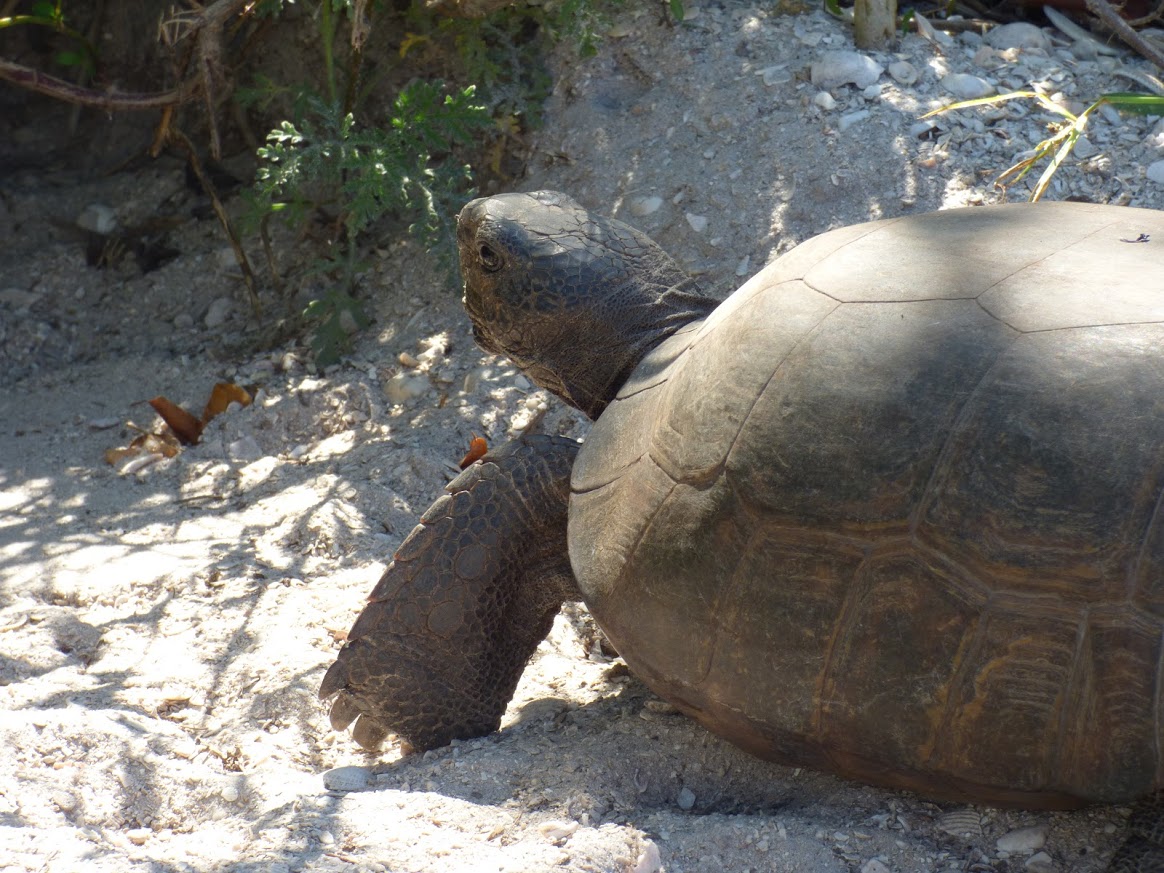
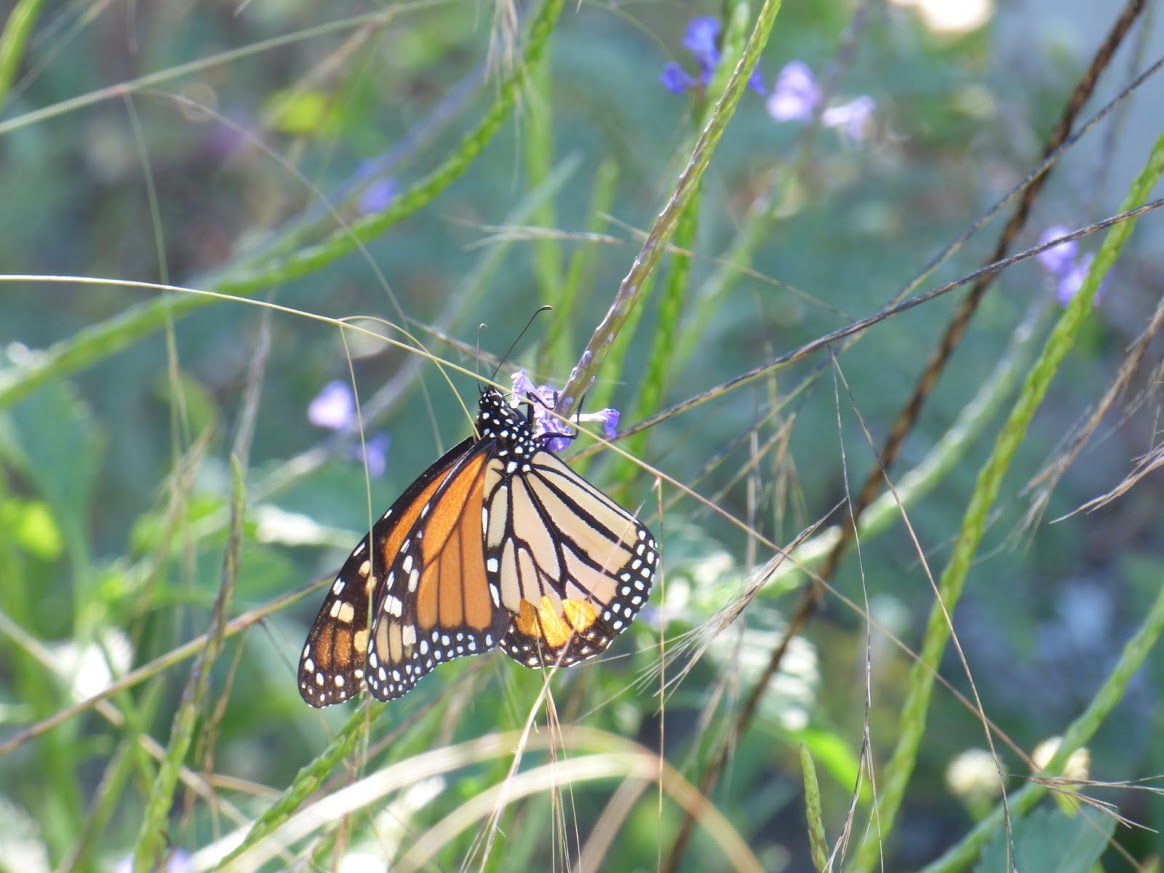
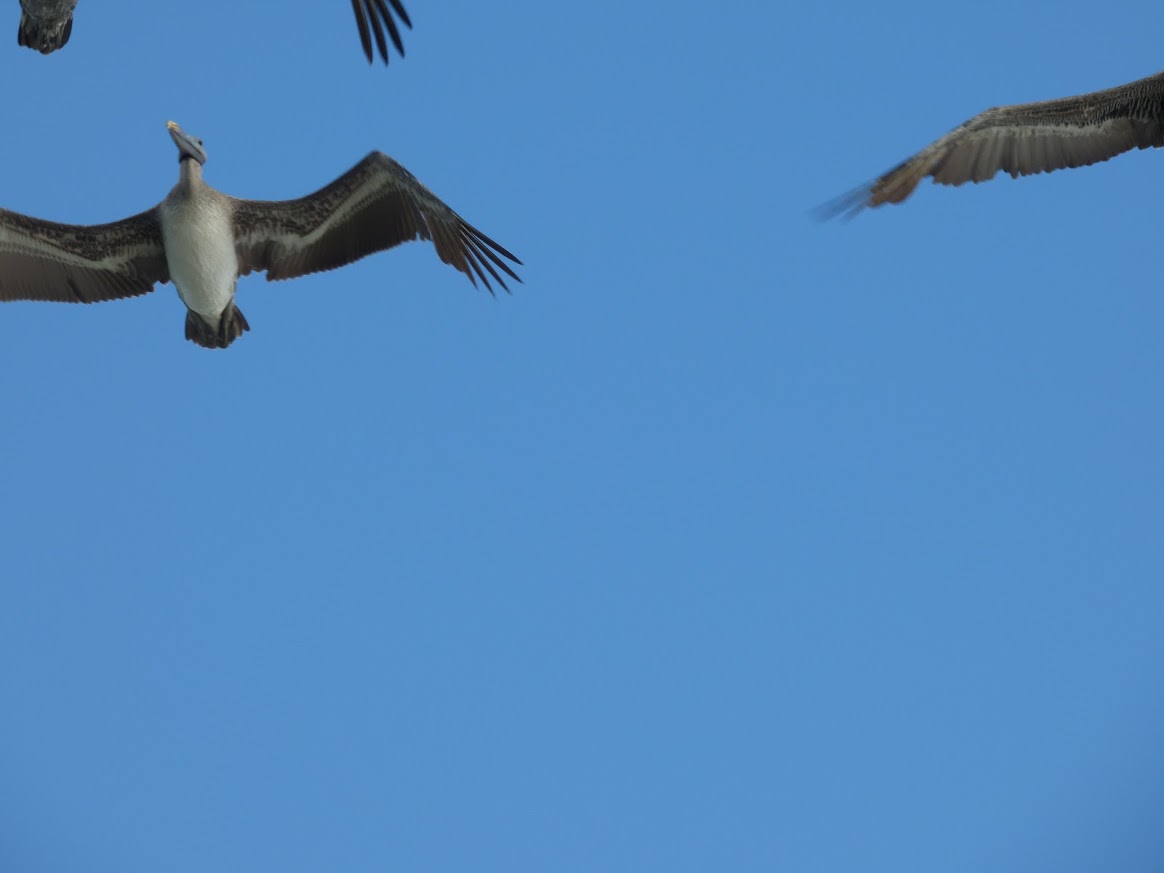
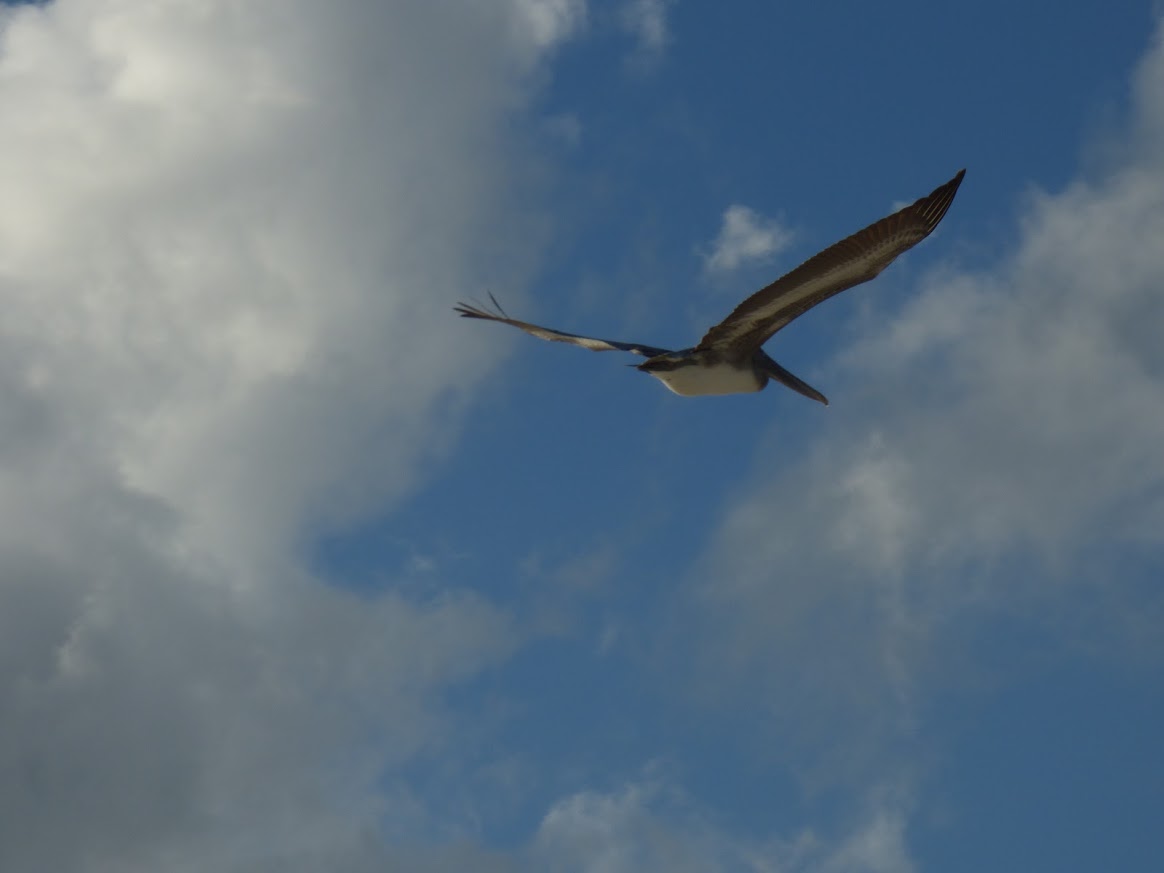
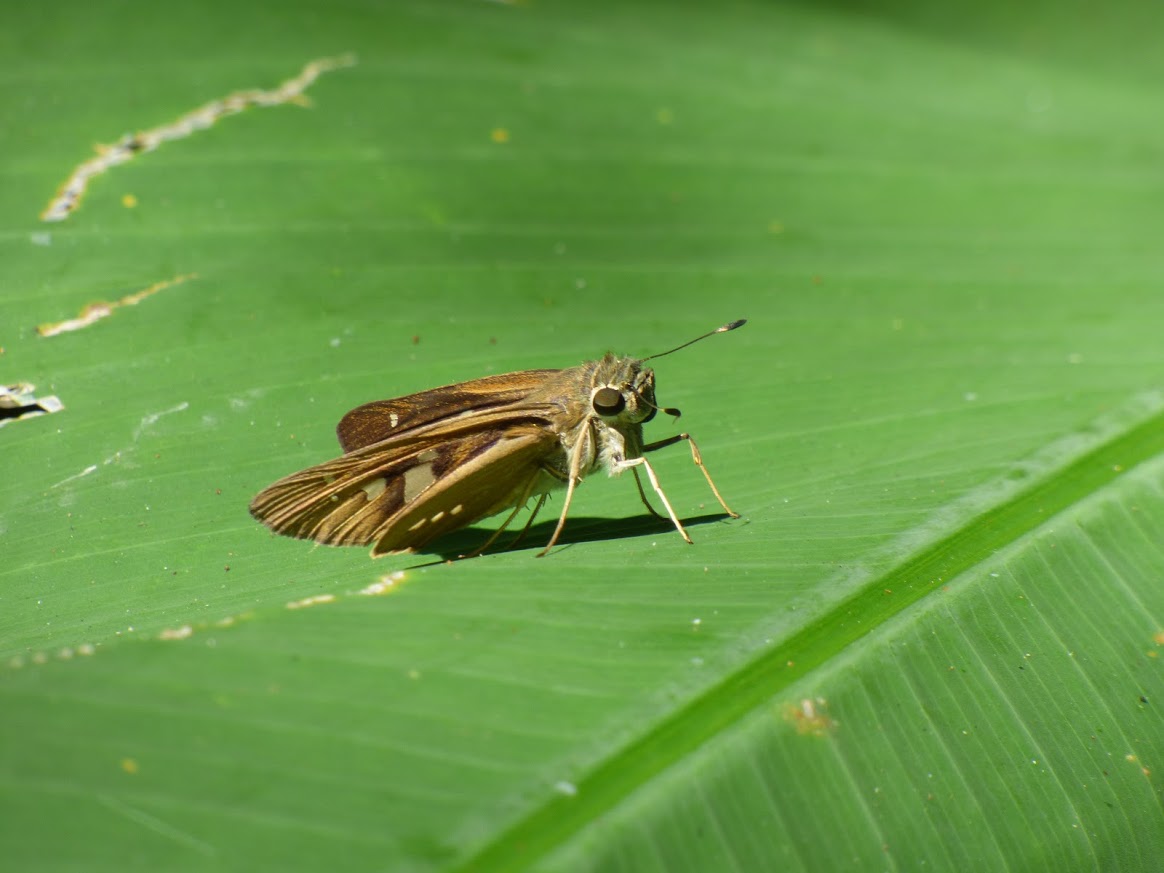
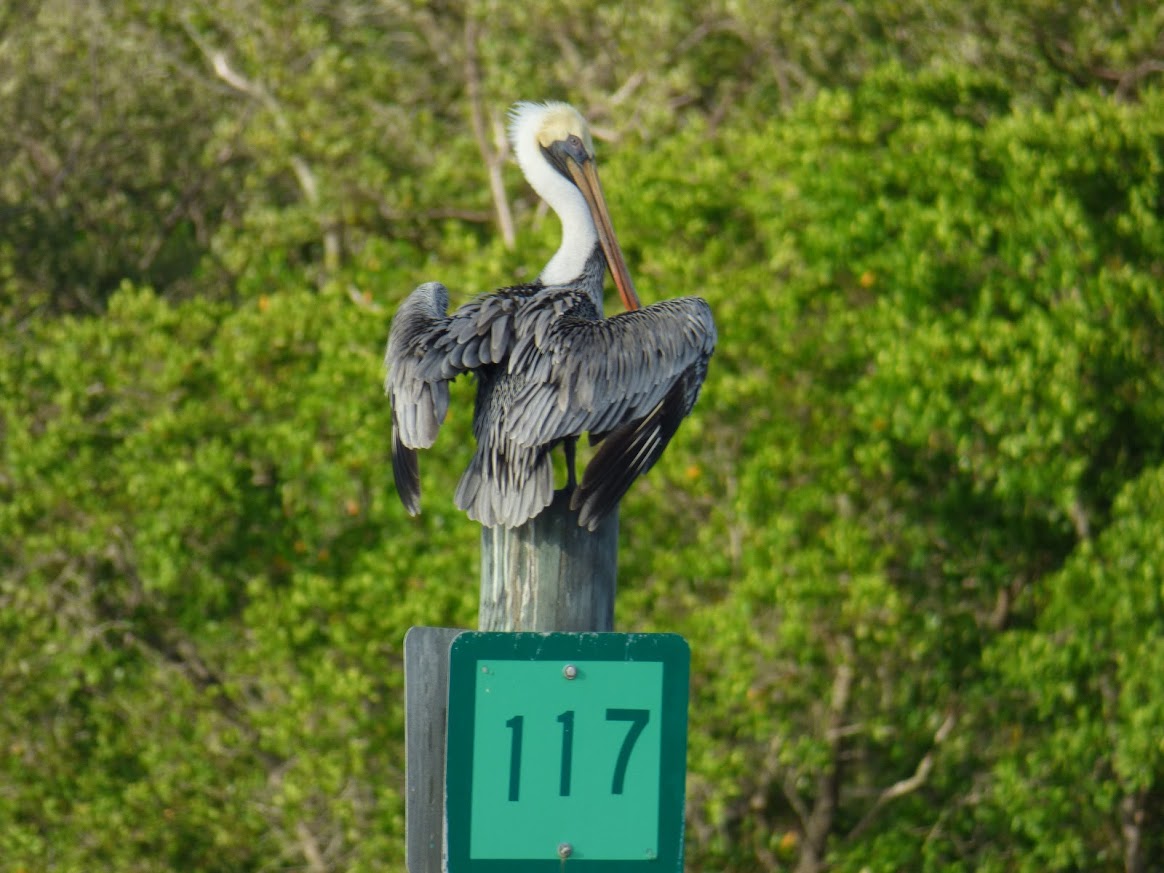
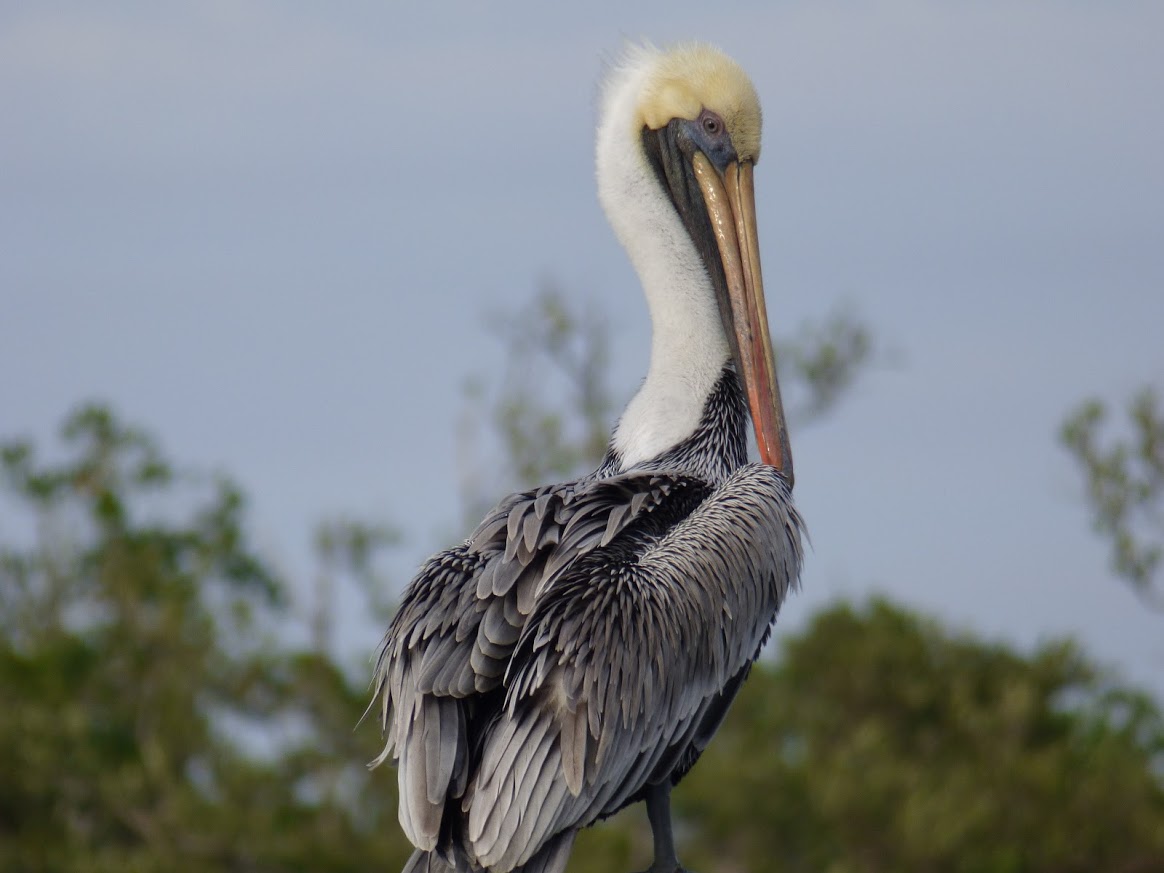
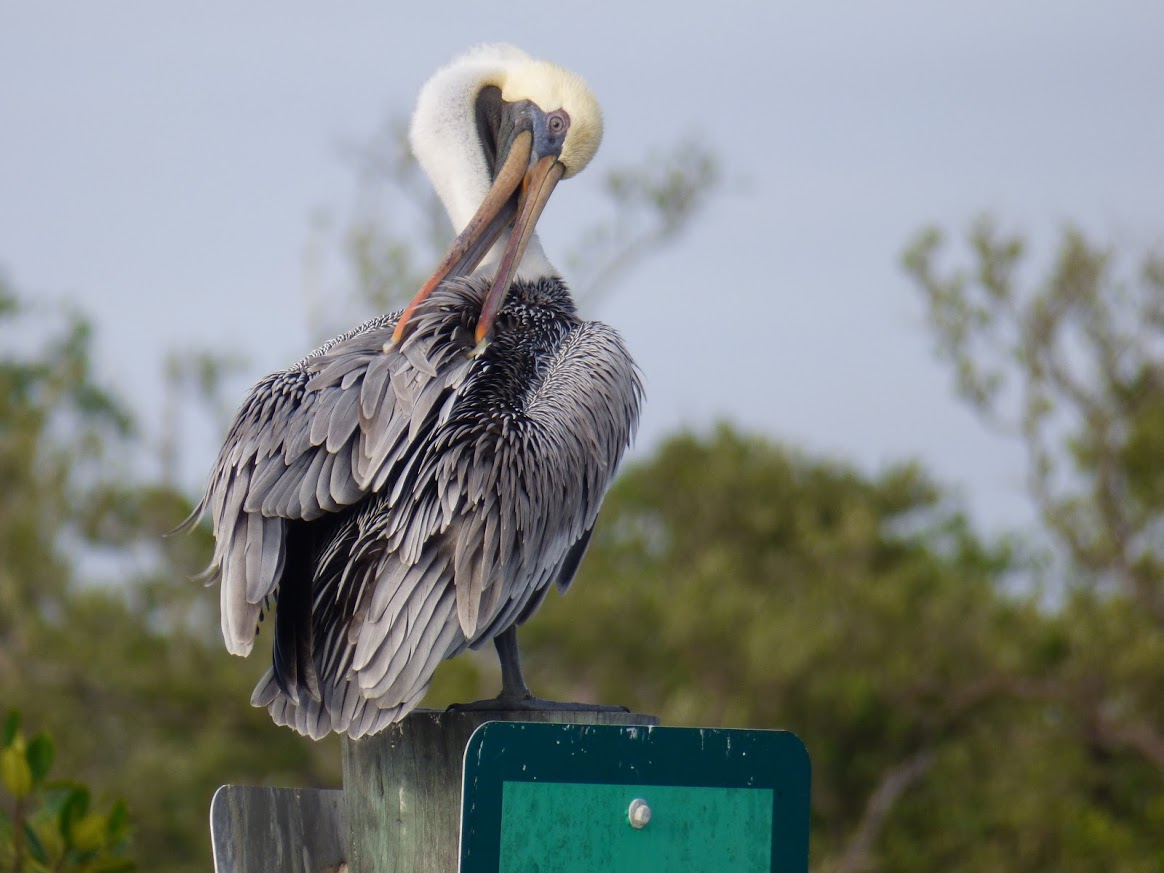
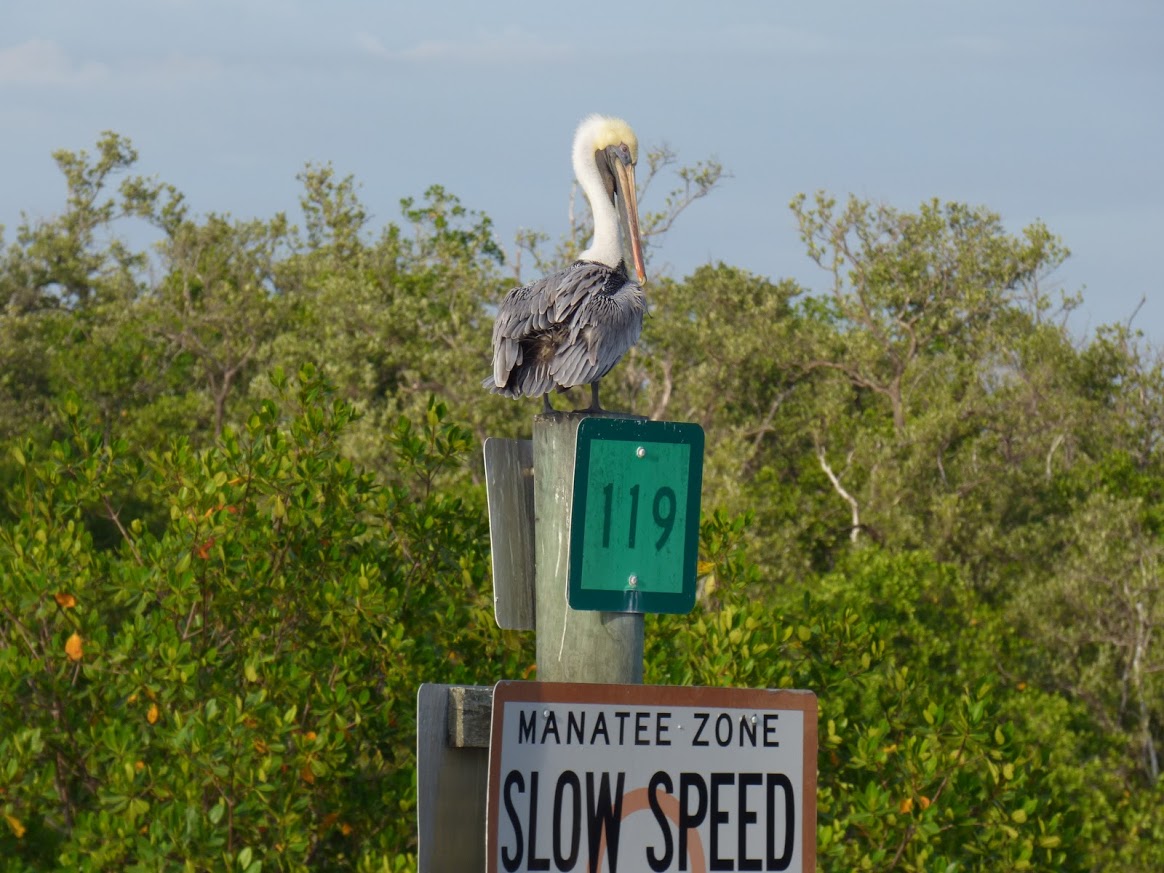
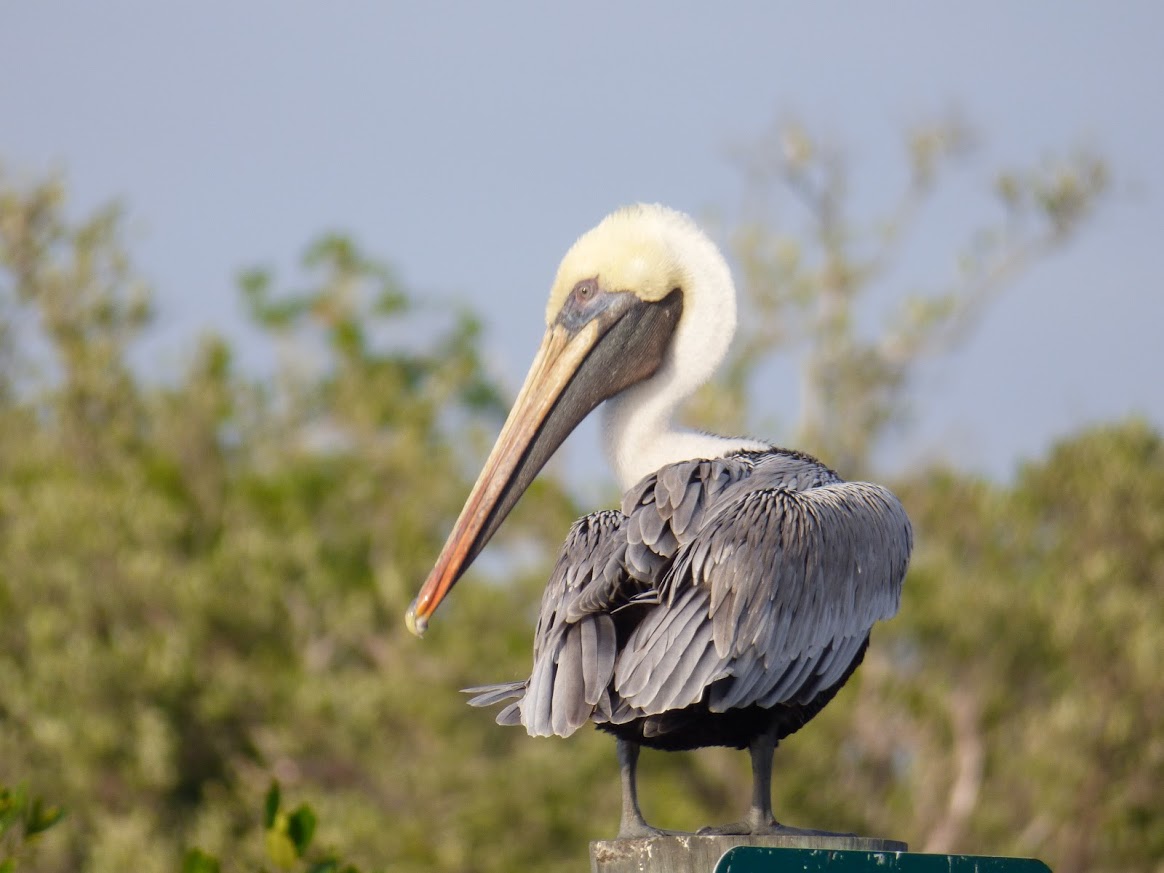
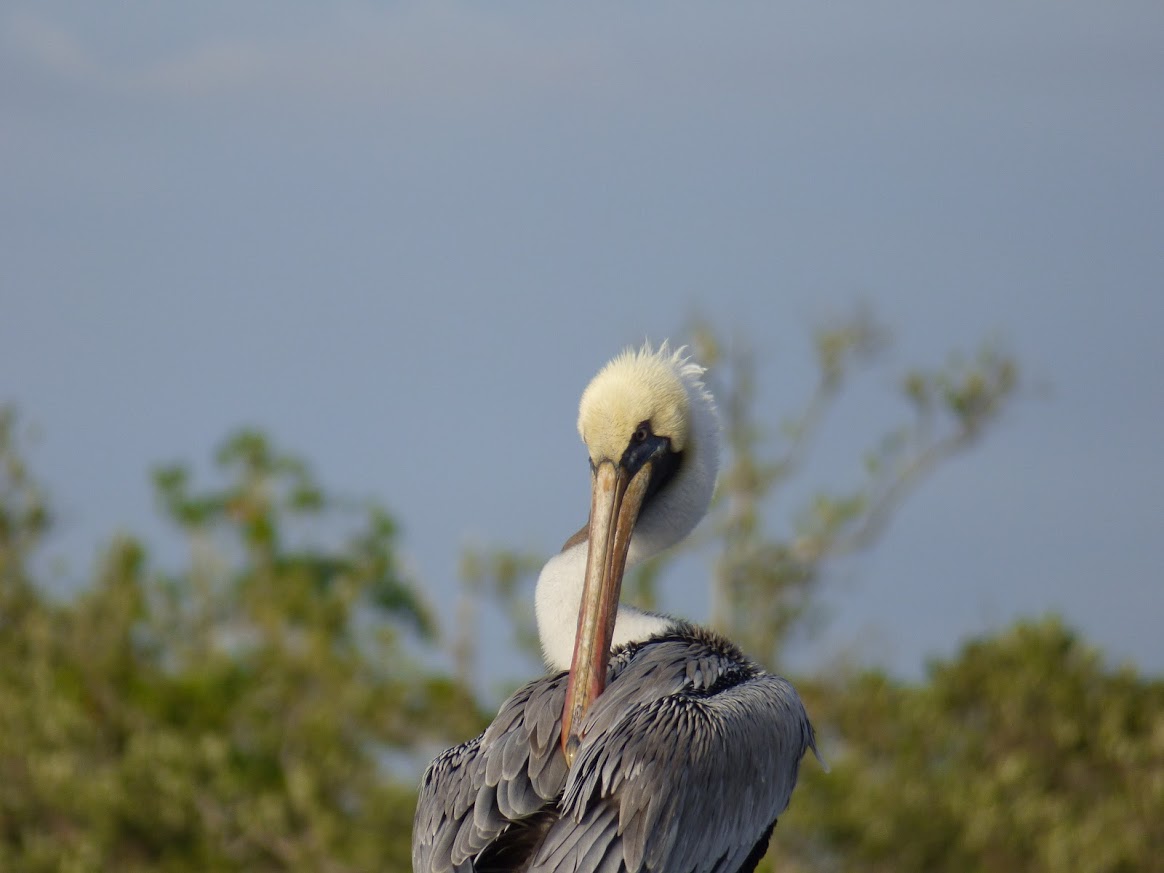
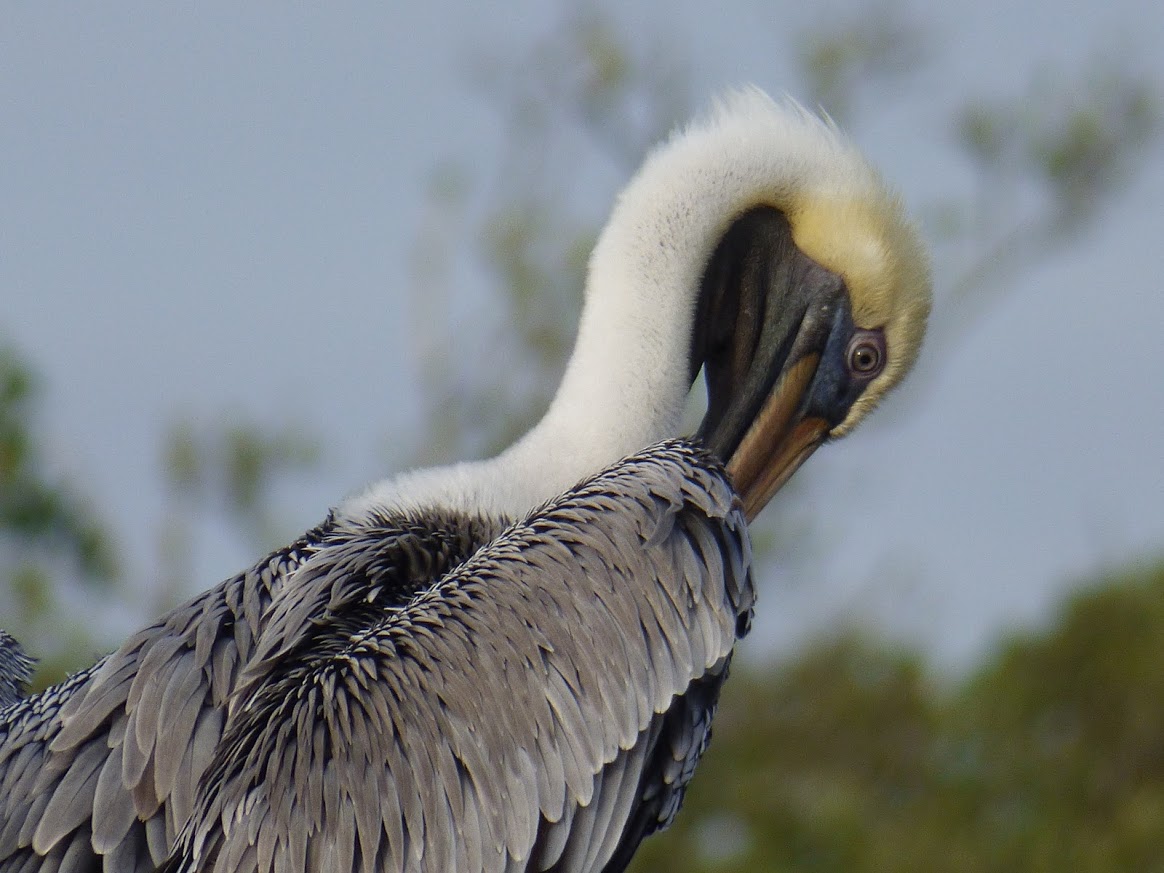
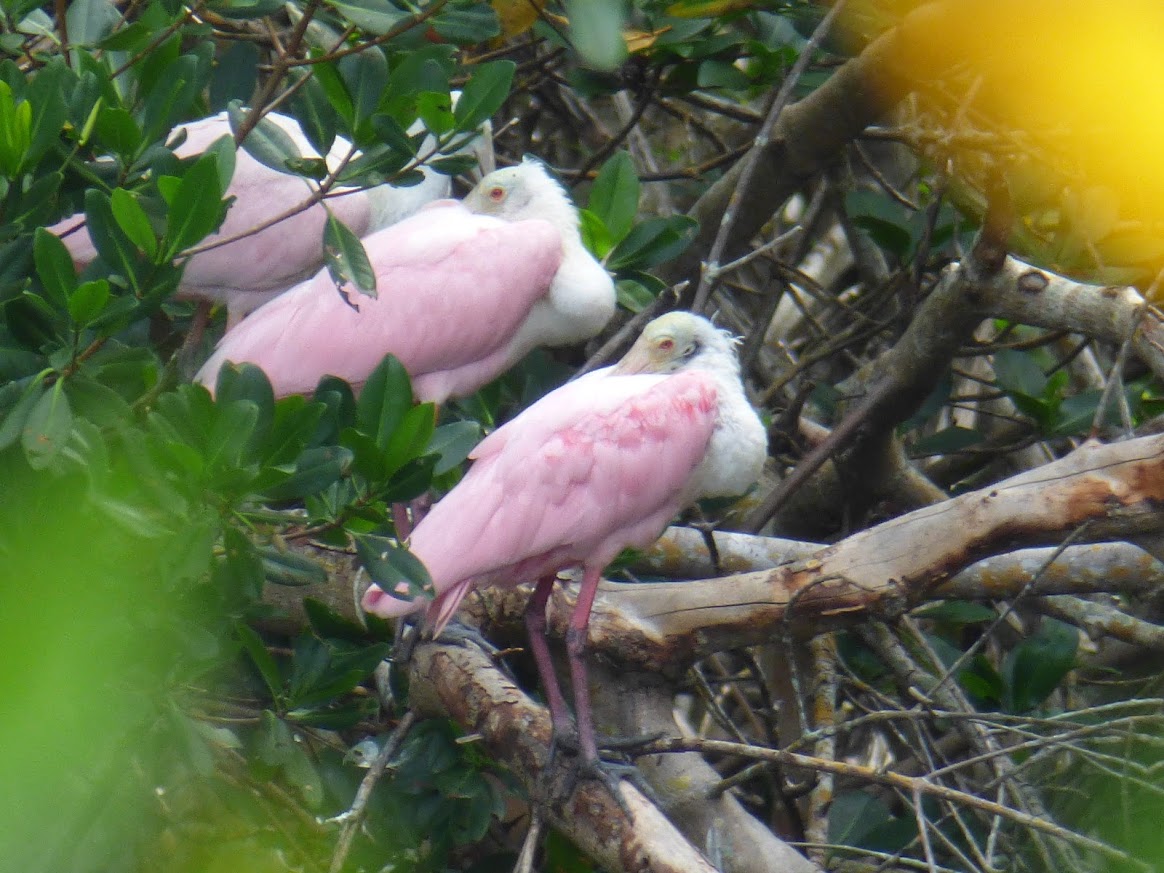
Our first trip to a protected wildlife area was to Barefoot Beach Preserve. This beautiful spot had a boardwalk trail that went across the island, all the way to the beach. This was a fun and easy way to walk around and spot wildlife! The main animals we saw were gopher tortoises and brown pelicans, as shown below. I really enjoyed taking photographs on this trip, which I’m sure is obvious from the sheer amount in this post! This trip was the first time I realised just how amazing being a wildlife photographer would be. If I could just do this for a living, it would be so much fun.

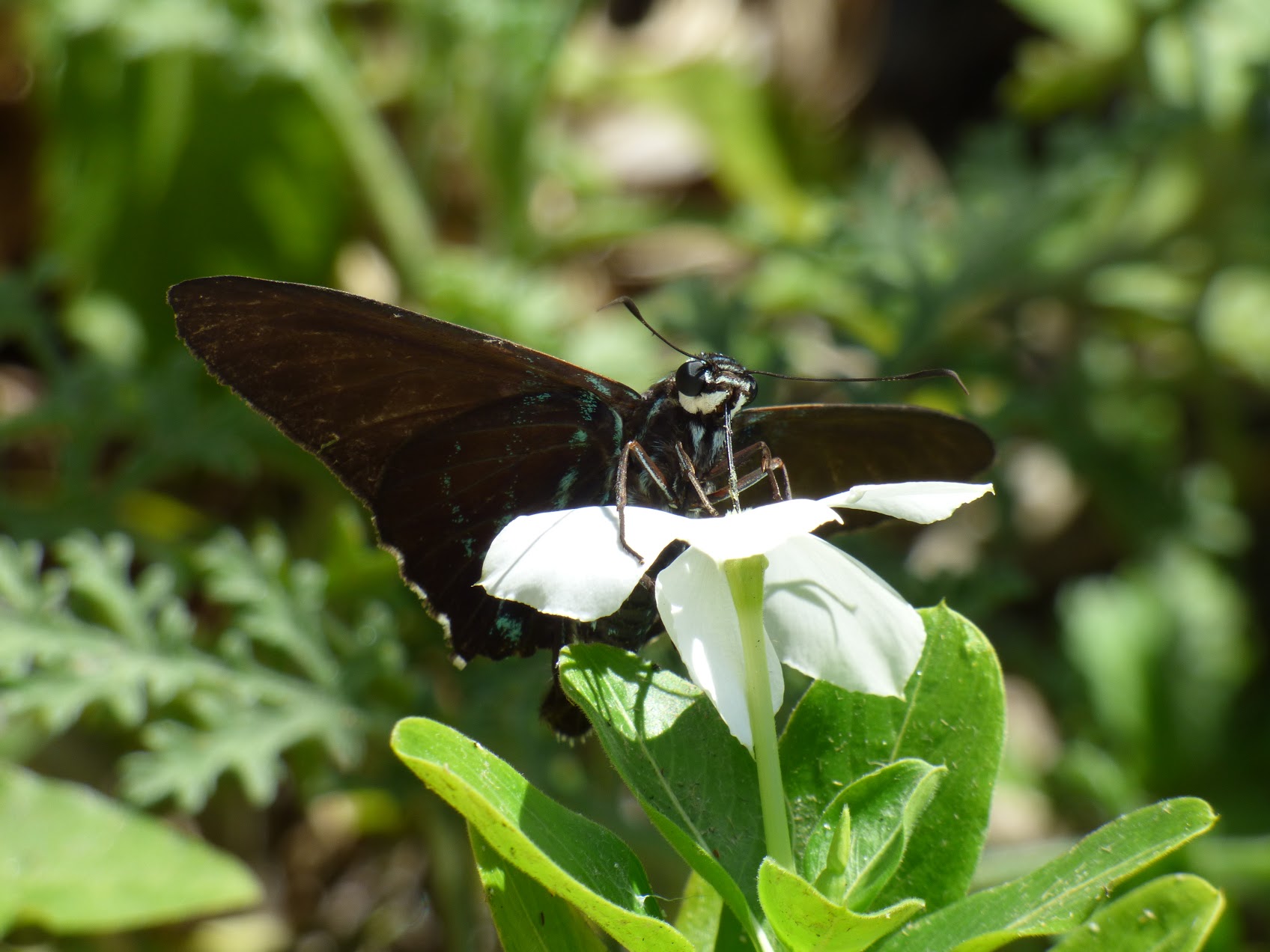
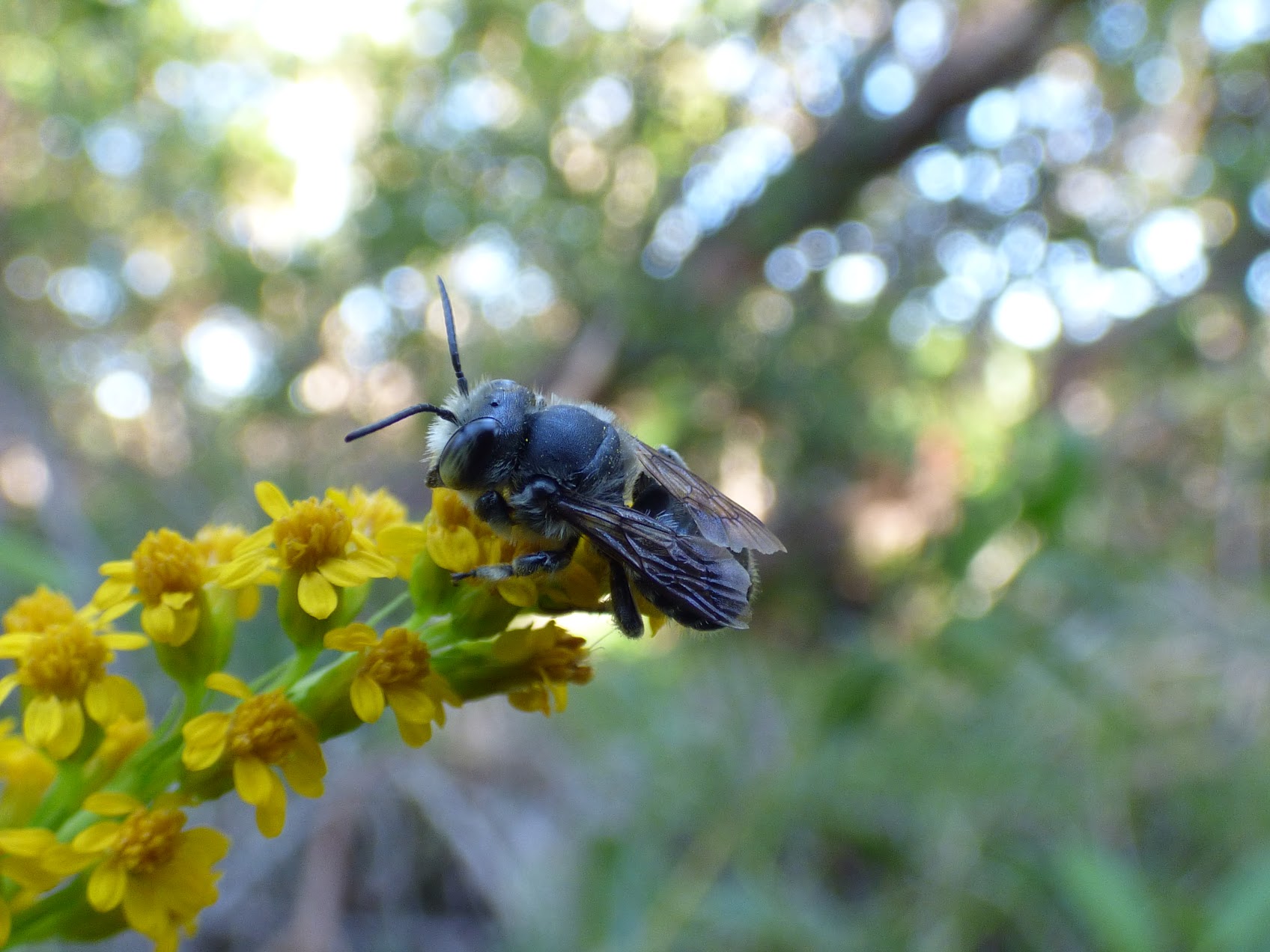
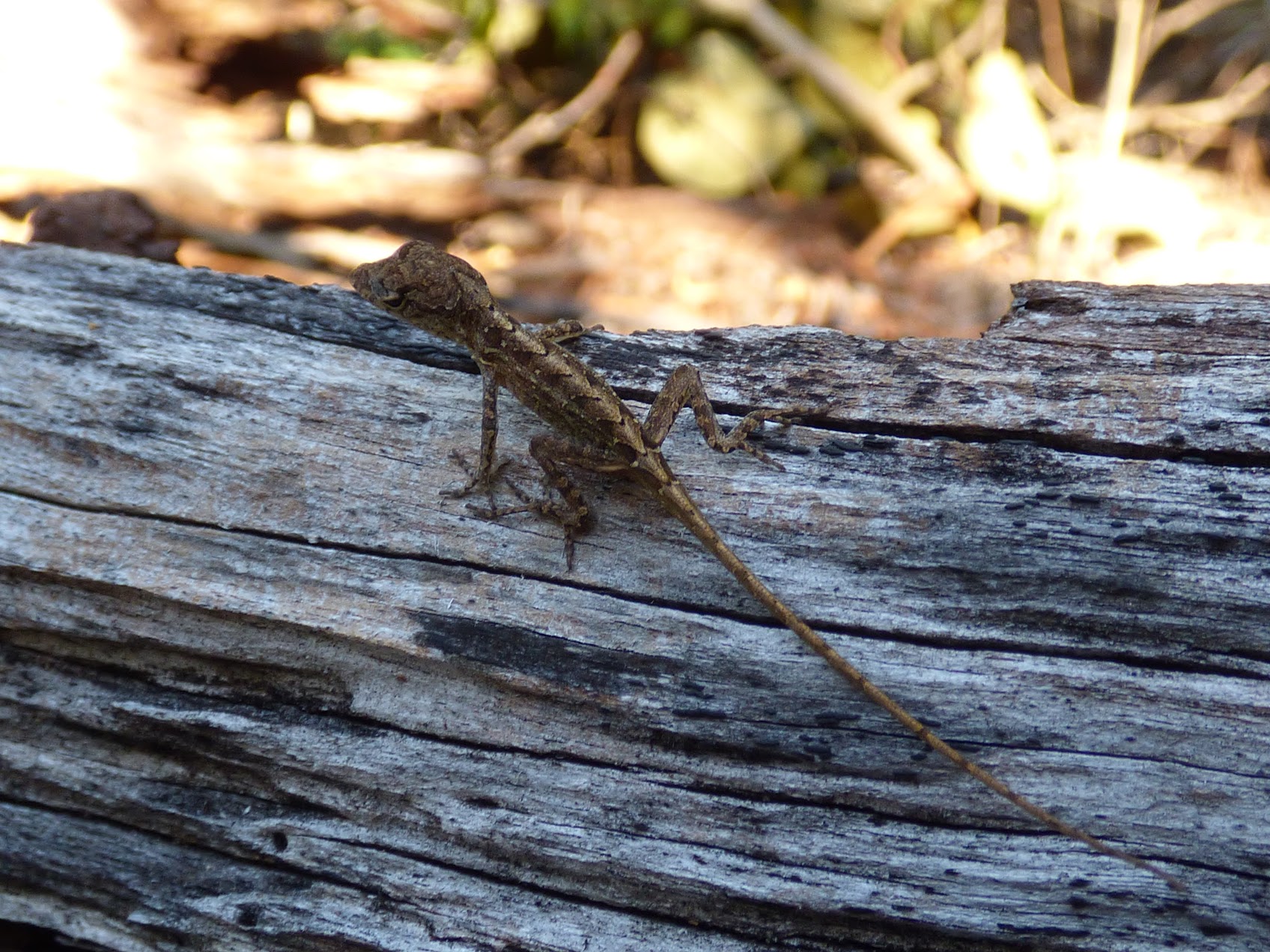
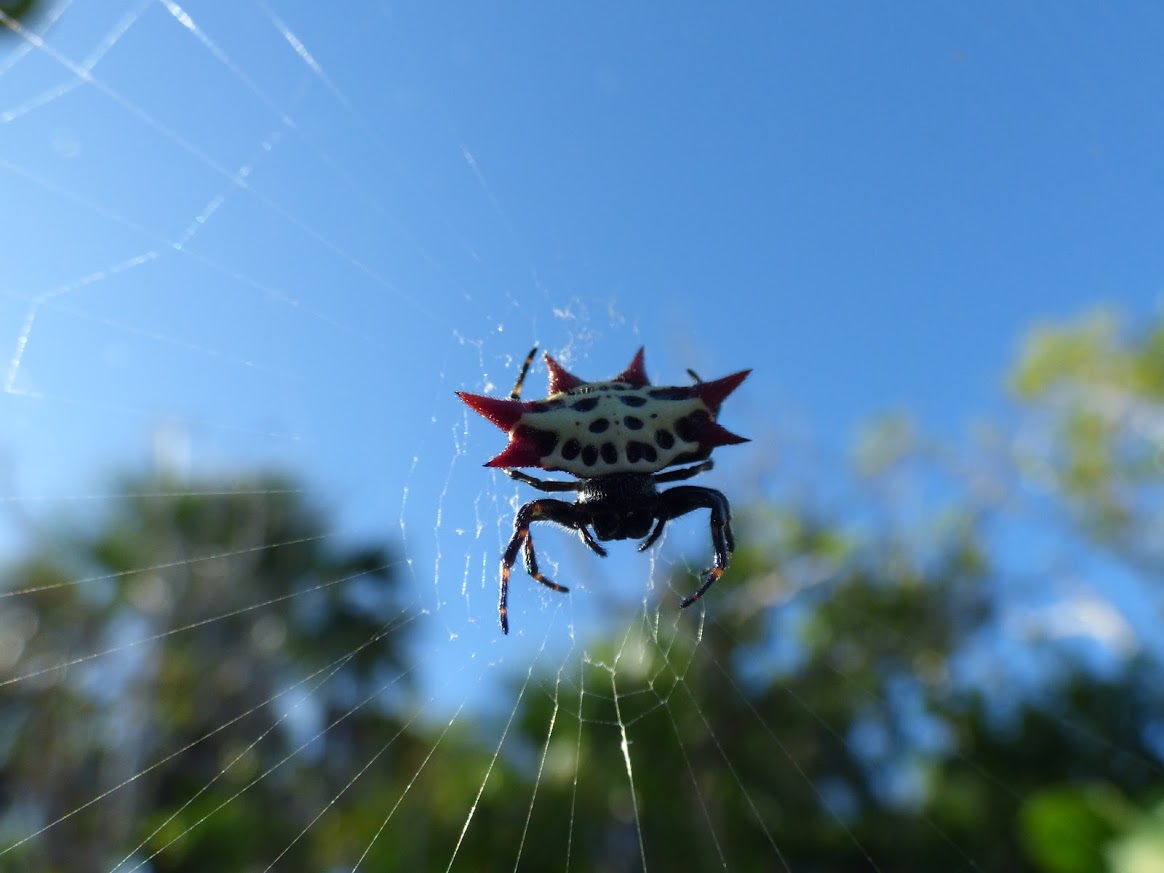
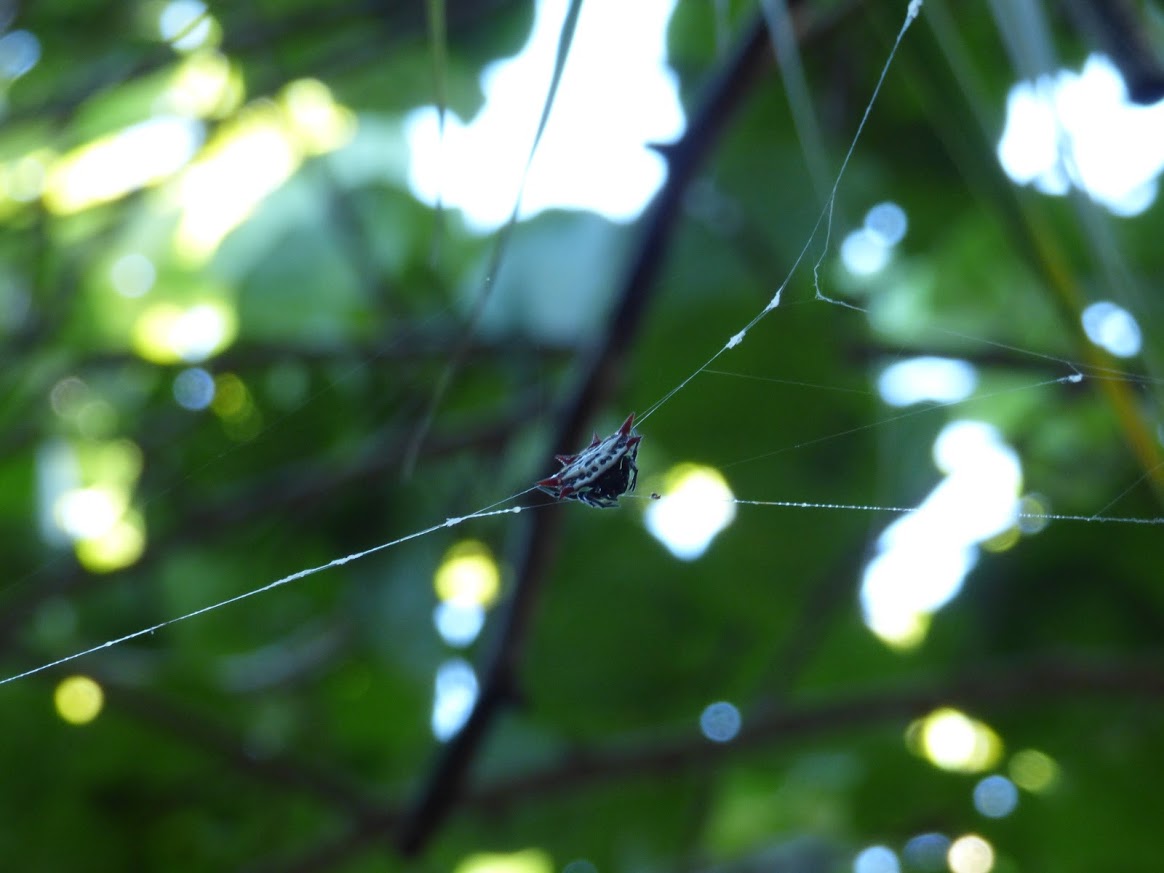
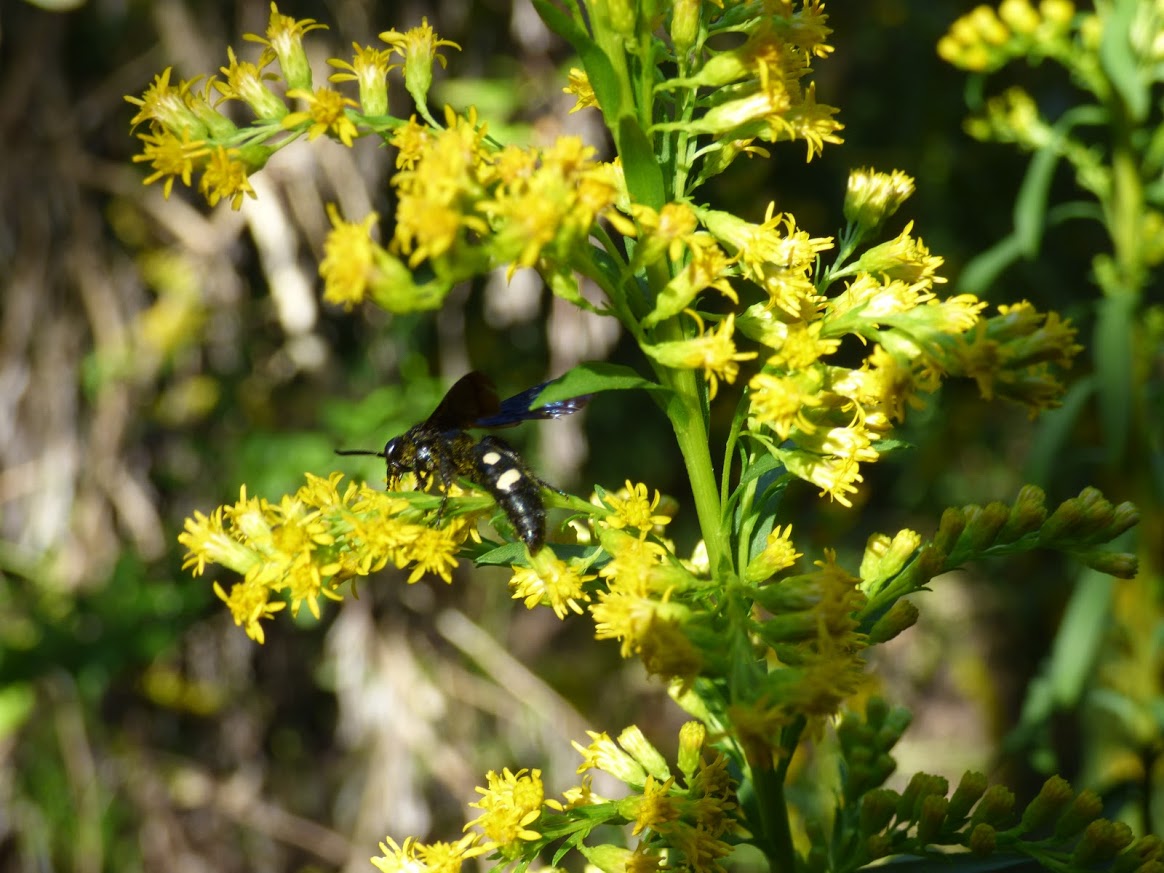
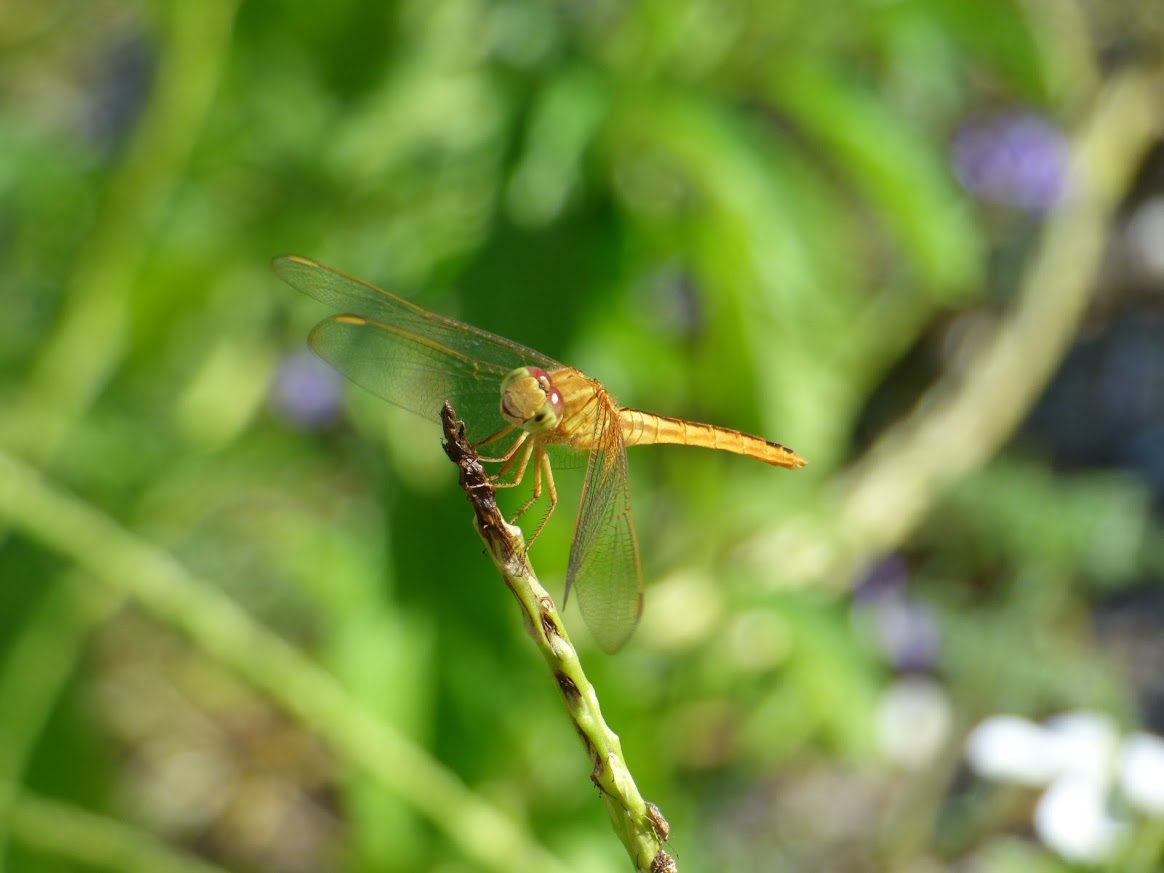
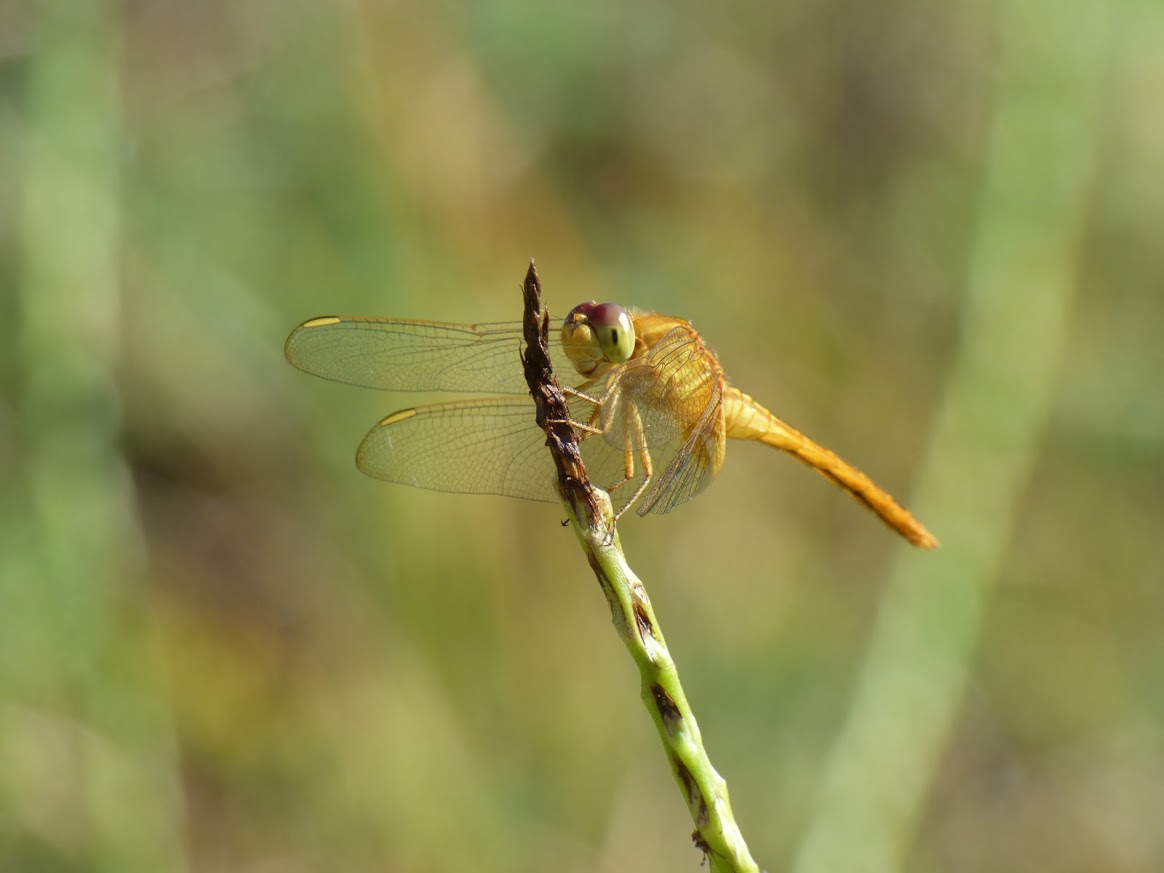
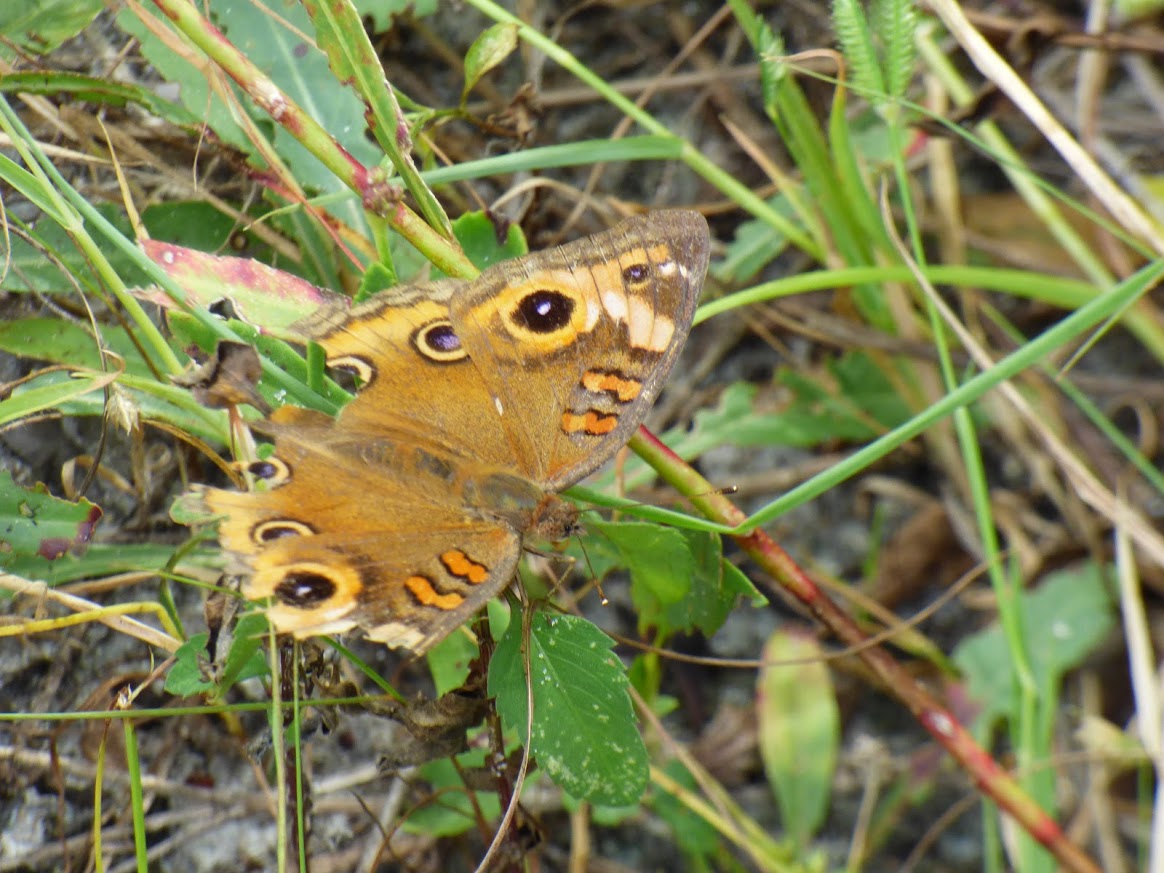
A selection of photos from Barefoot Beach Preserve: Mangrove Skipper Butterfly, Mason Bee, Brown Anole, Spiny-Backed Orb-Weaver Spider, Double-Banded Scoliid Wasp, Scarlet Skimmer Dragonfly, Gopher Tortoise, Monarch Butterfly, Brown Pelican

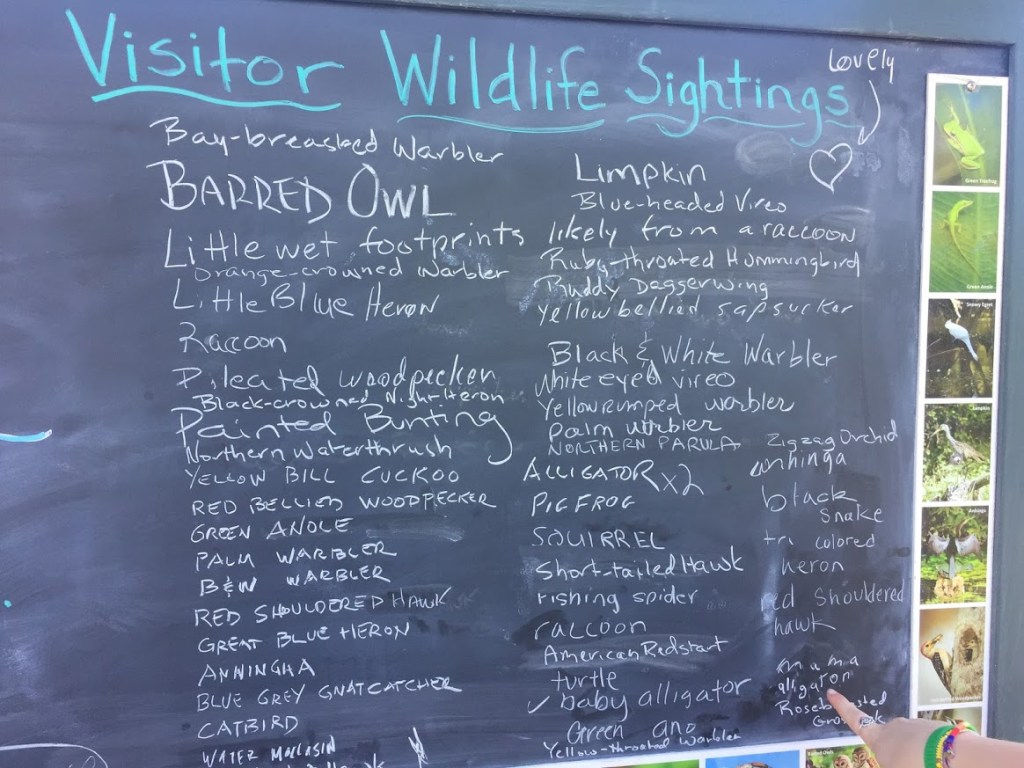
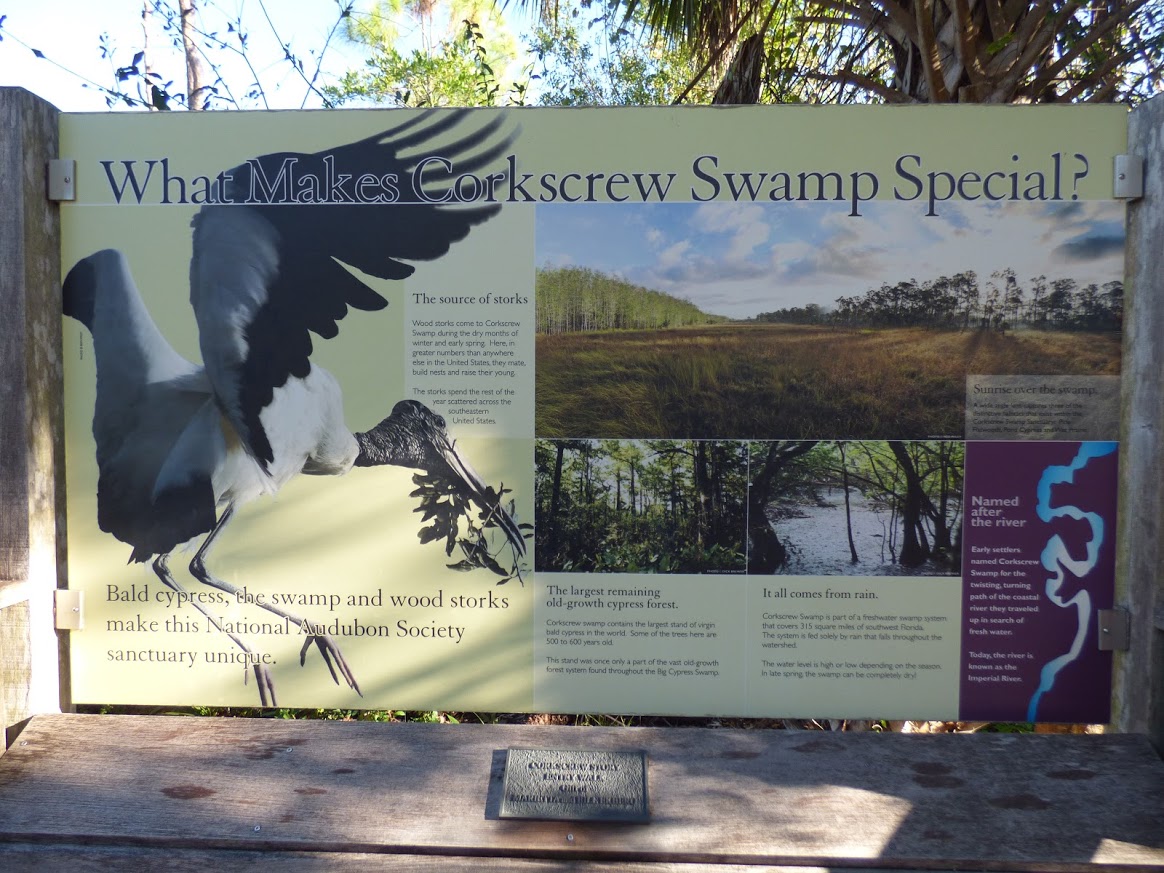
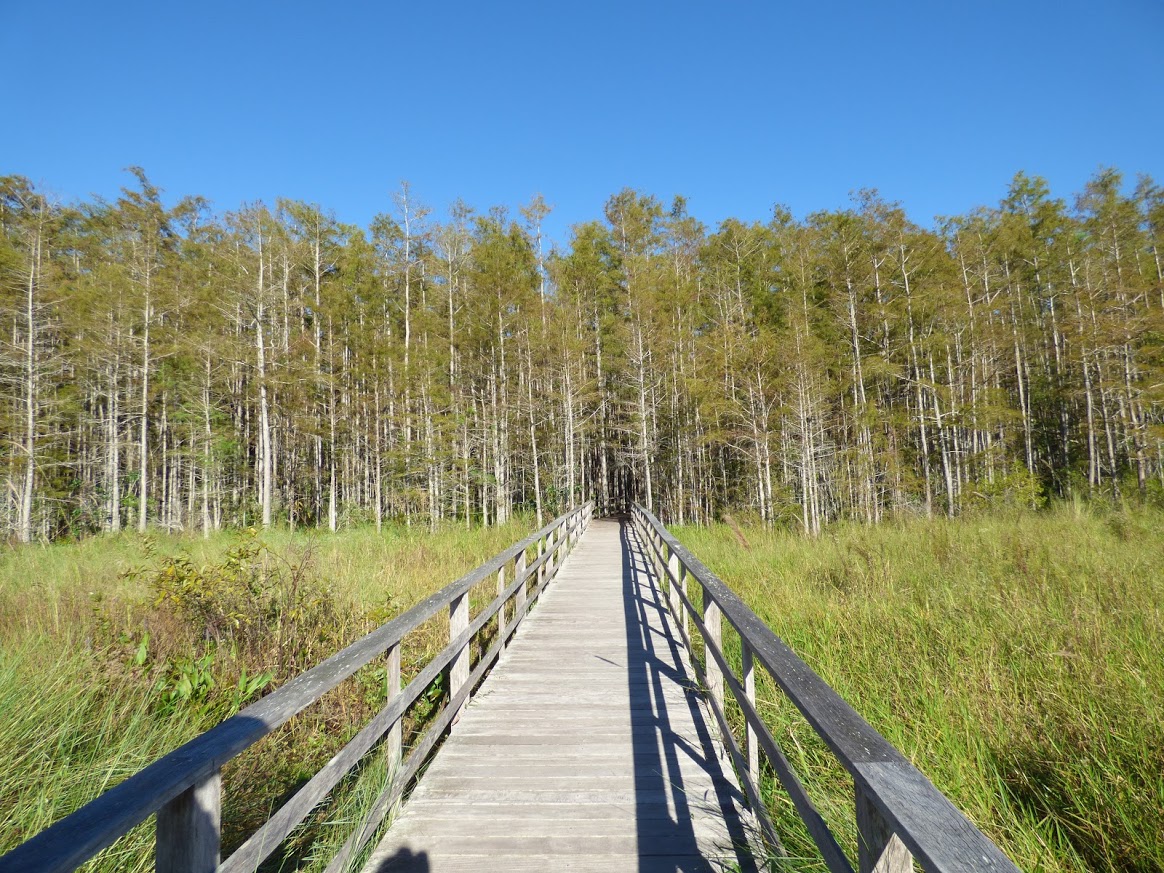
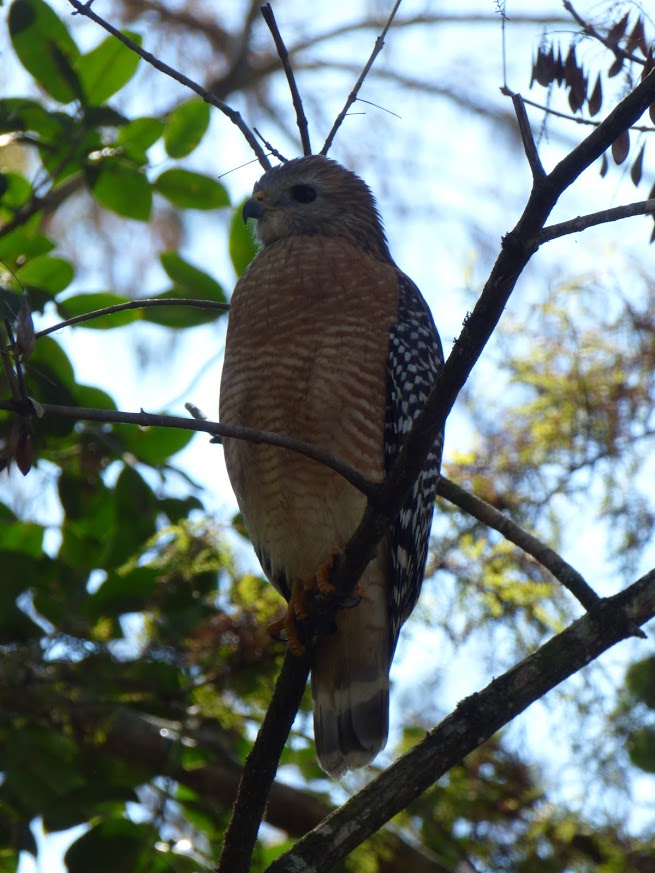
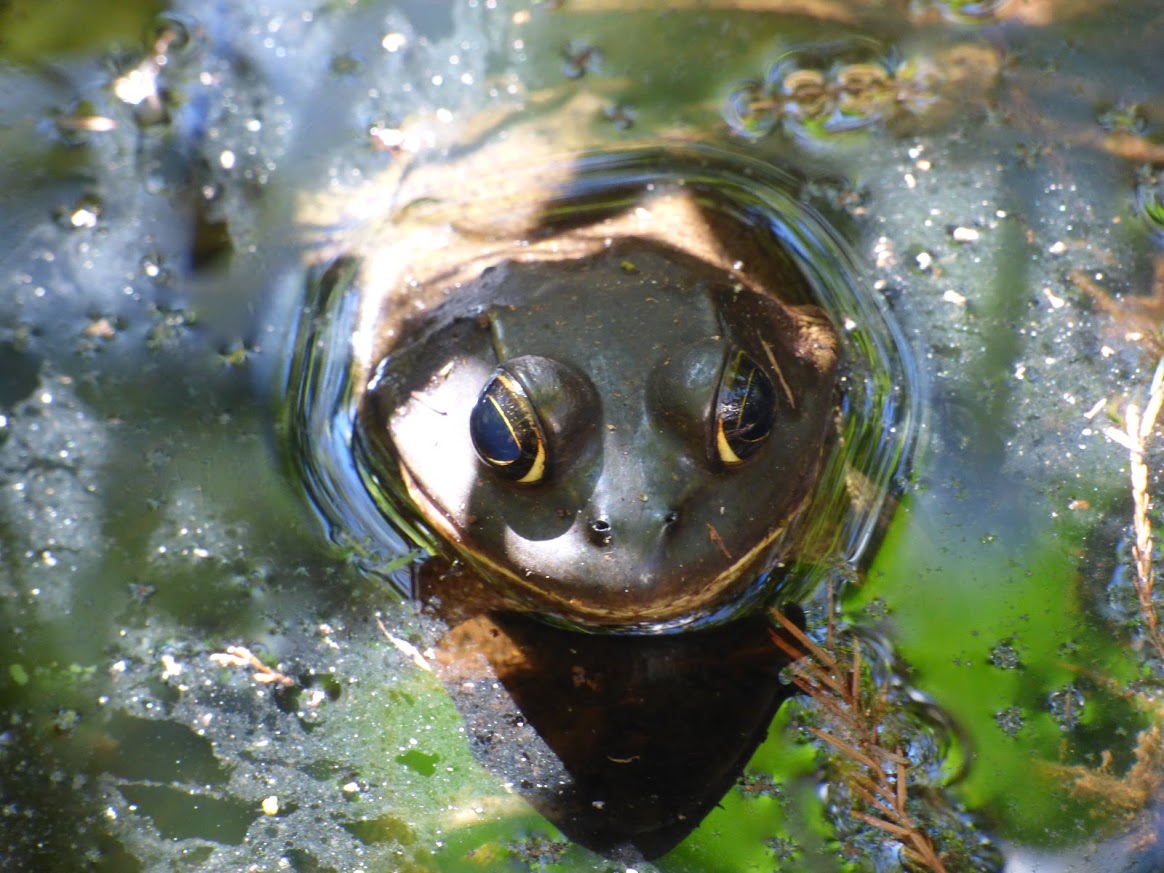
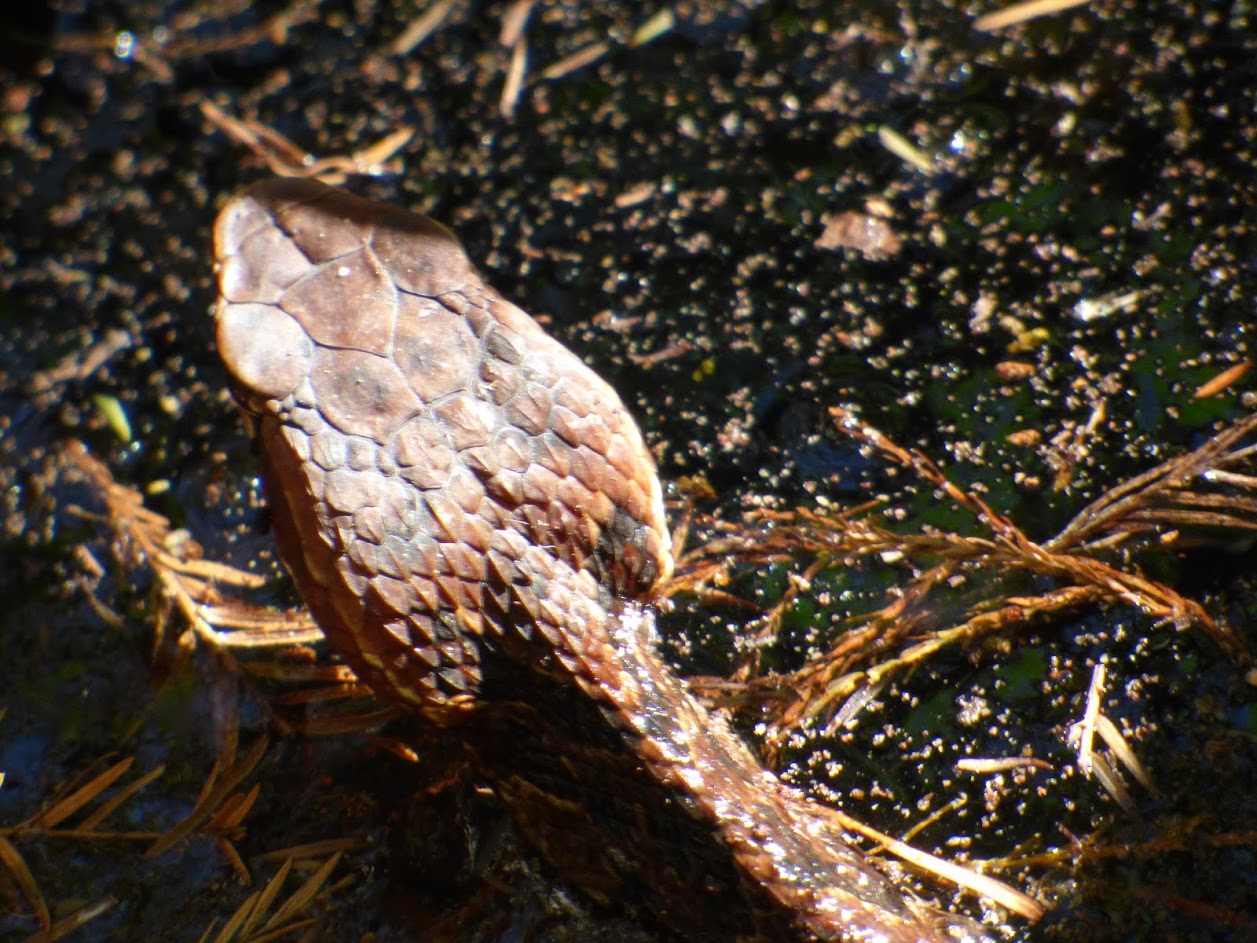
Our second location was my favourite: Audubon Corkscrew Swamp Sanctuary. This incredible place has a 2.5 mile boardwalk trail, and so much to see! I could’ve spent the entire trip here. The staff did a great job of showing us around, explaining the different areas to us and what animals we might see. Working somewhere like here in the future would be incredible. Being paid to walk around somewhere this beautiful all day sounds amazing, plus I would get the chance to educate people about wildlife.

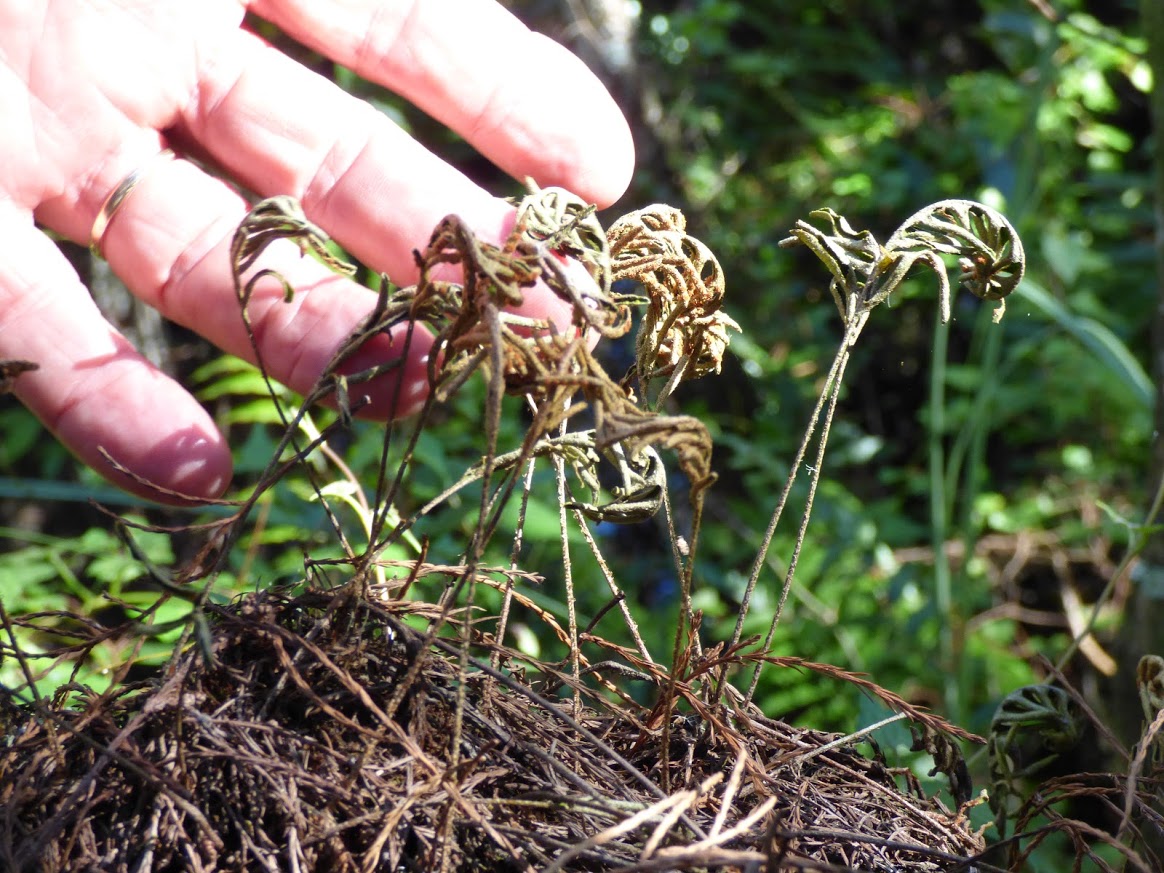
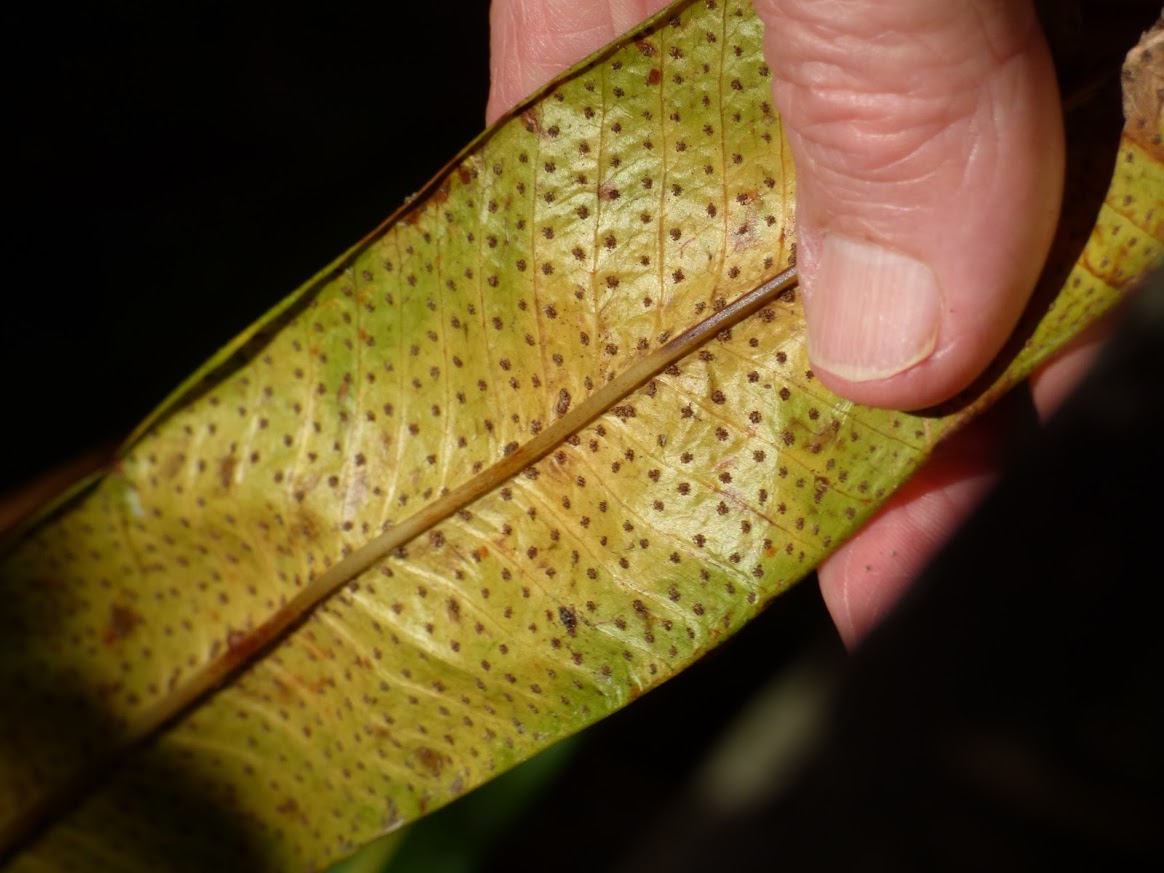
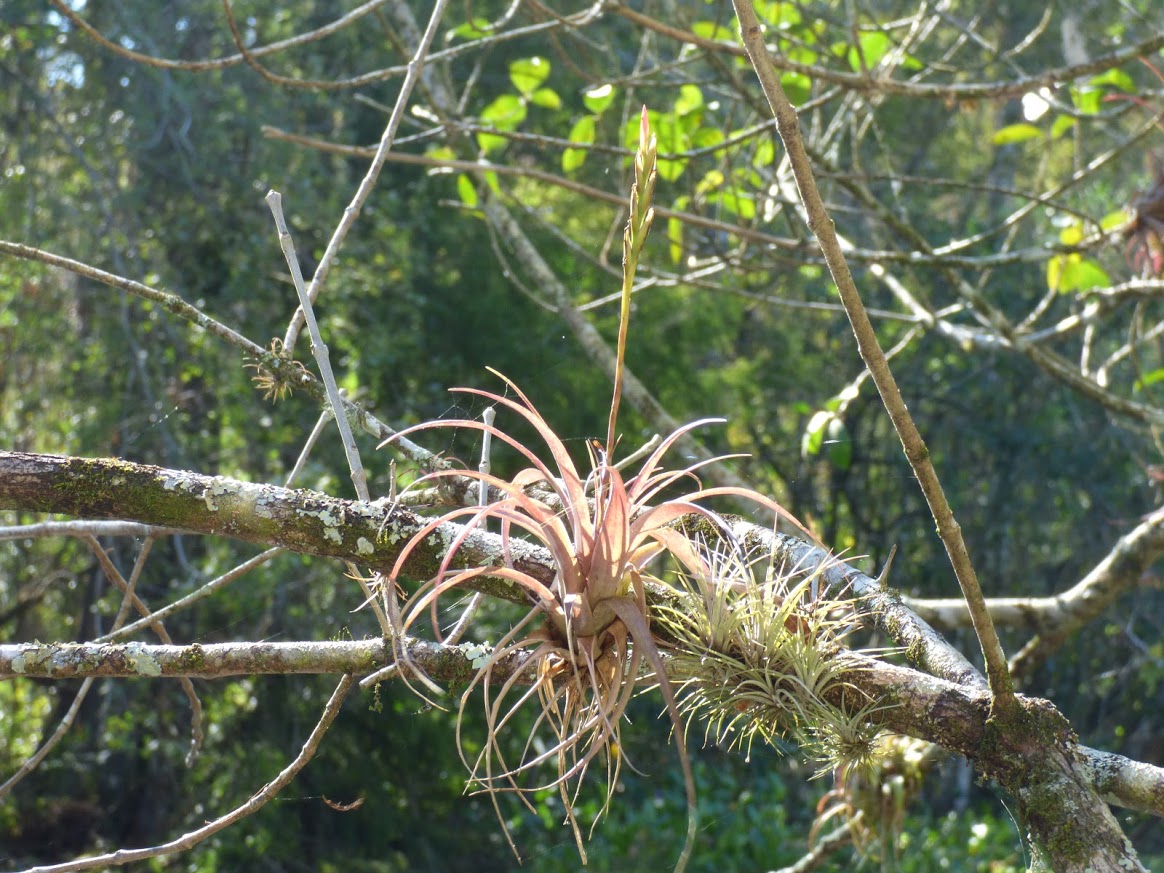
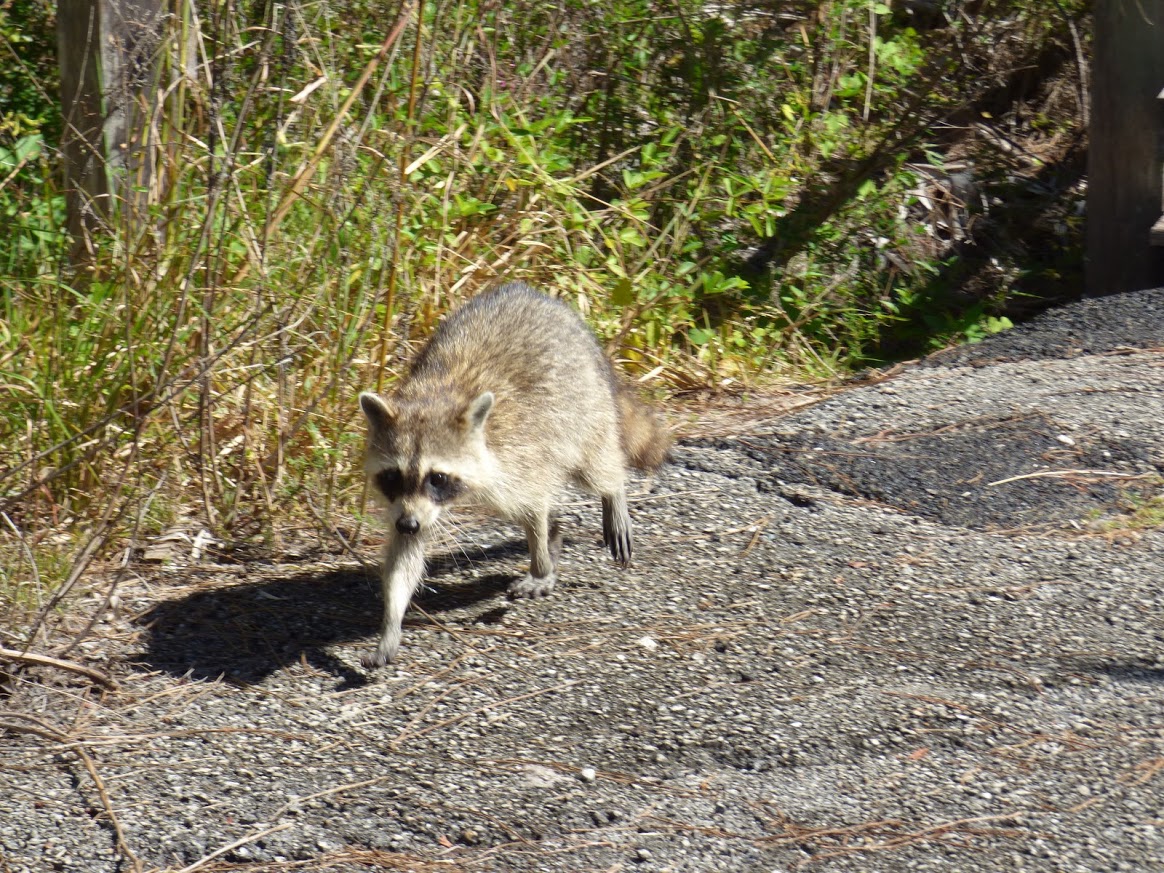
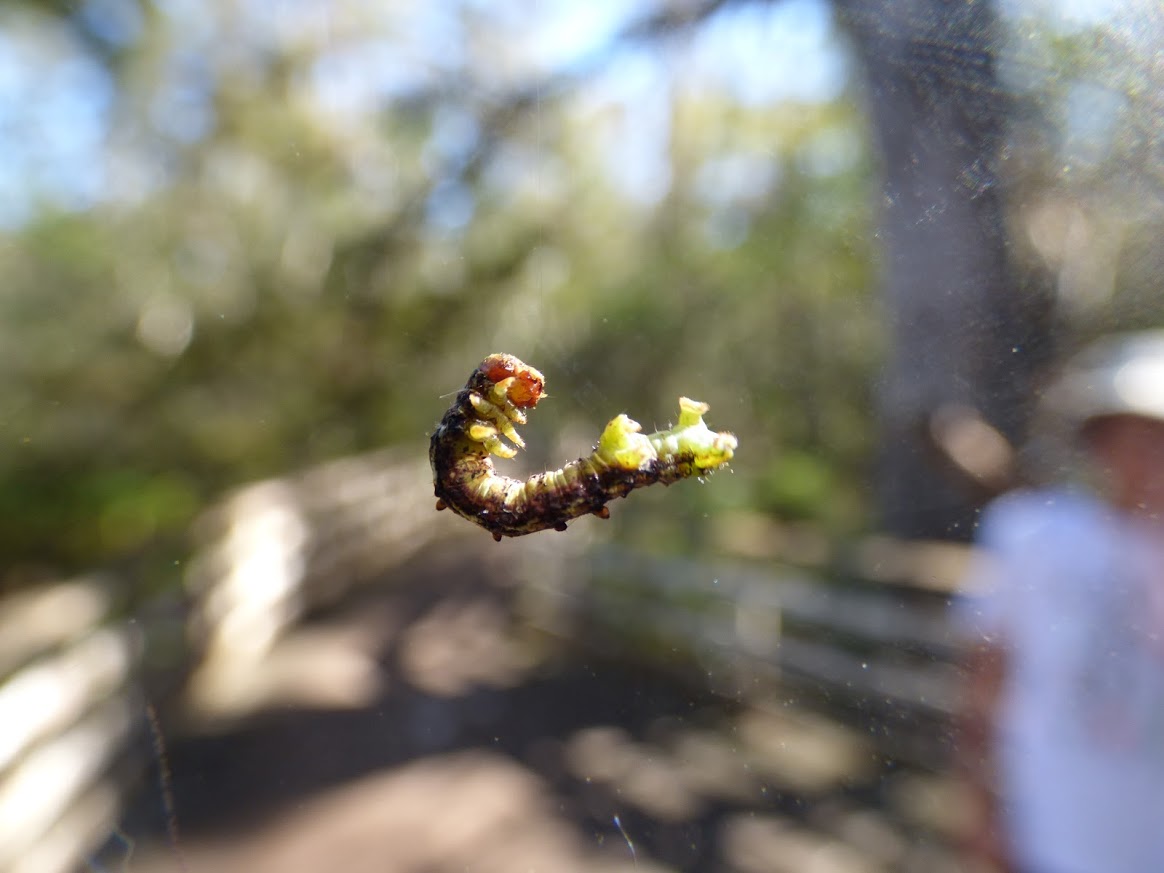
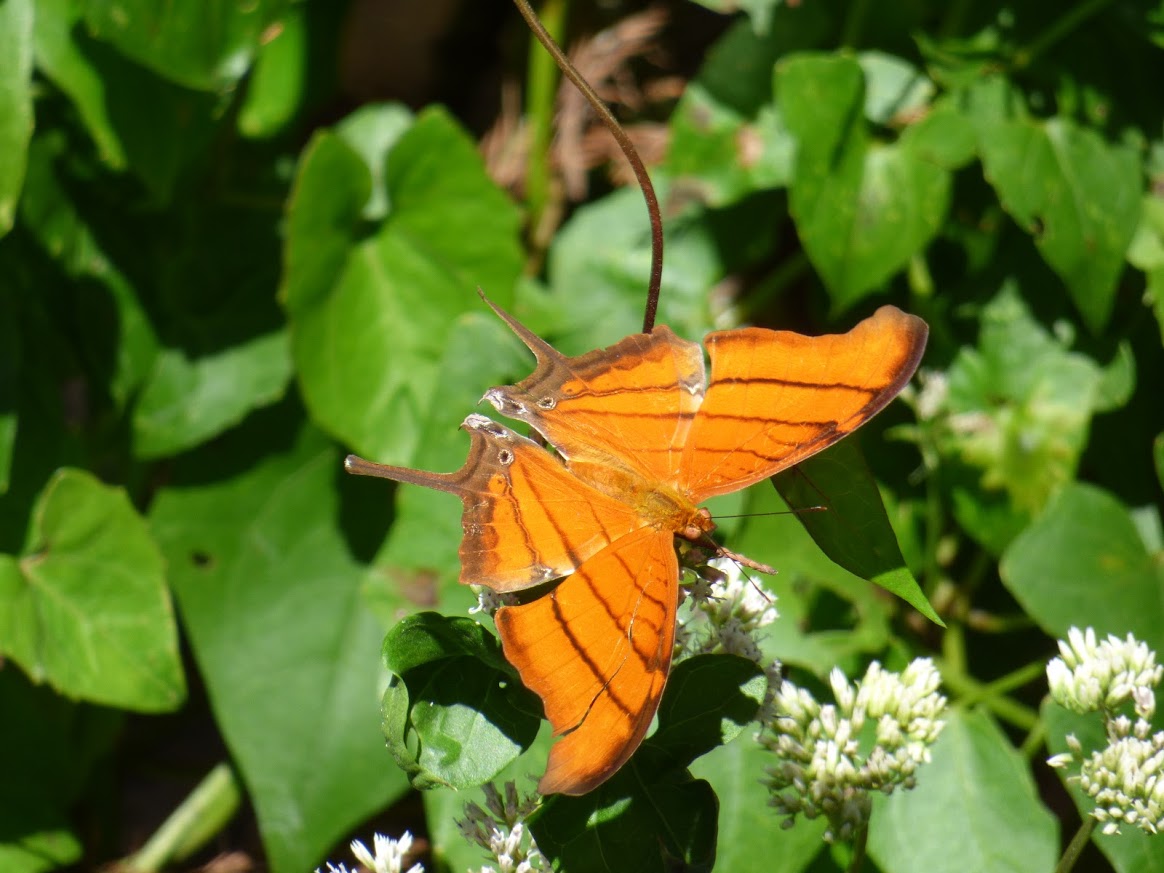
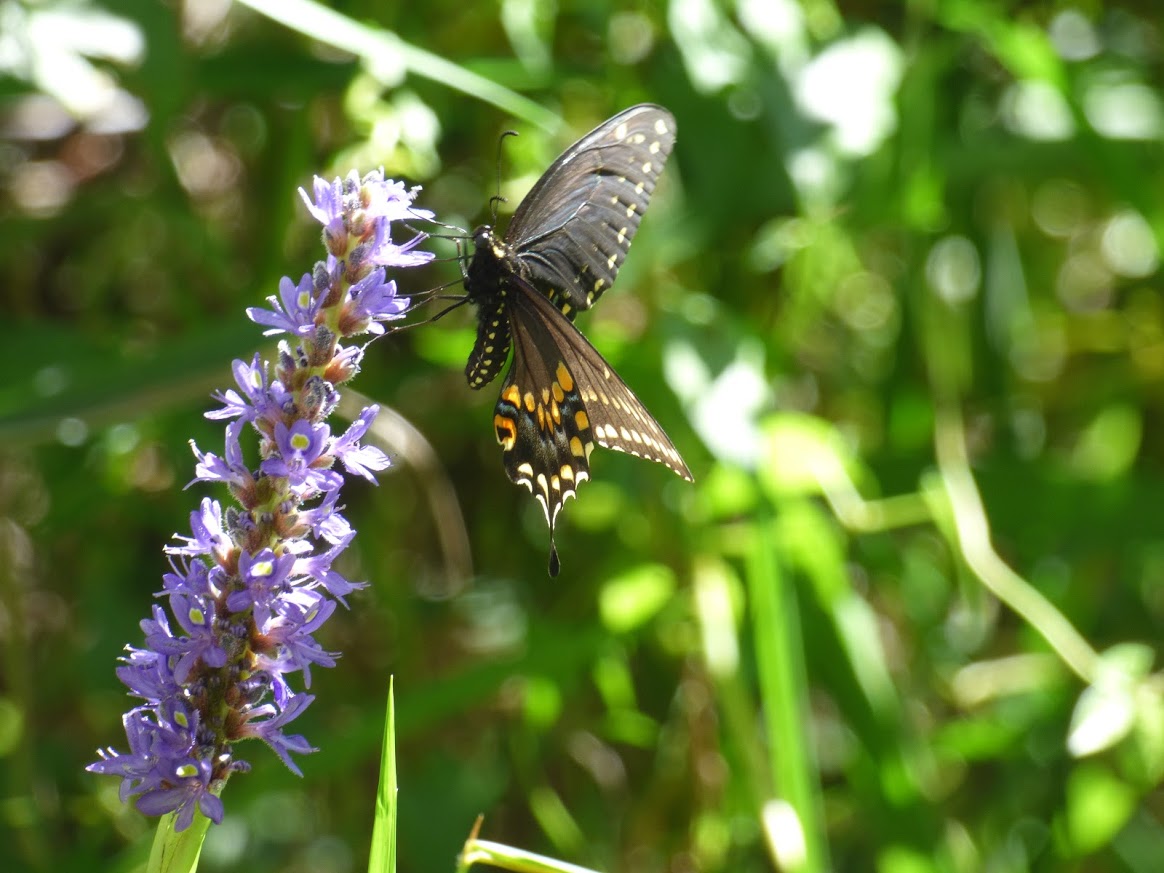
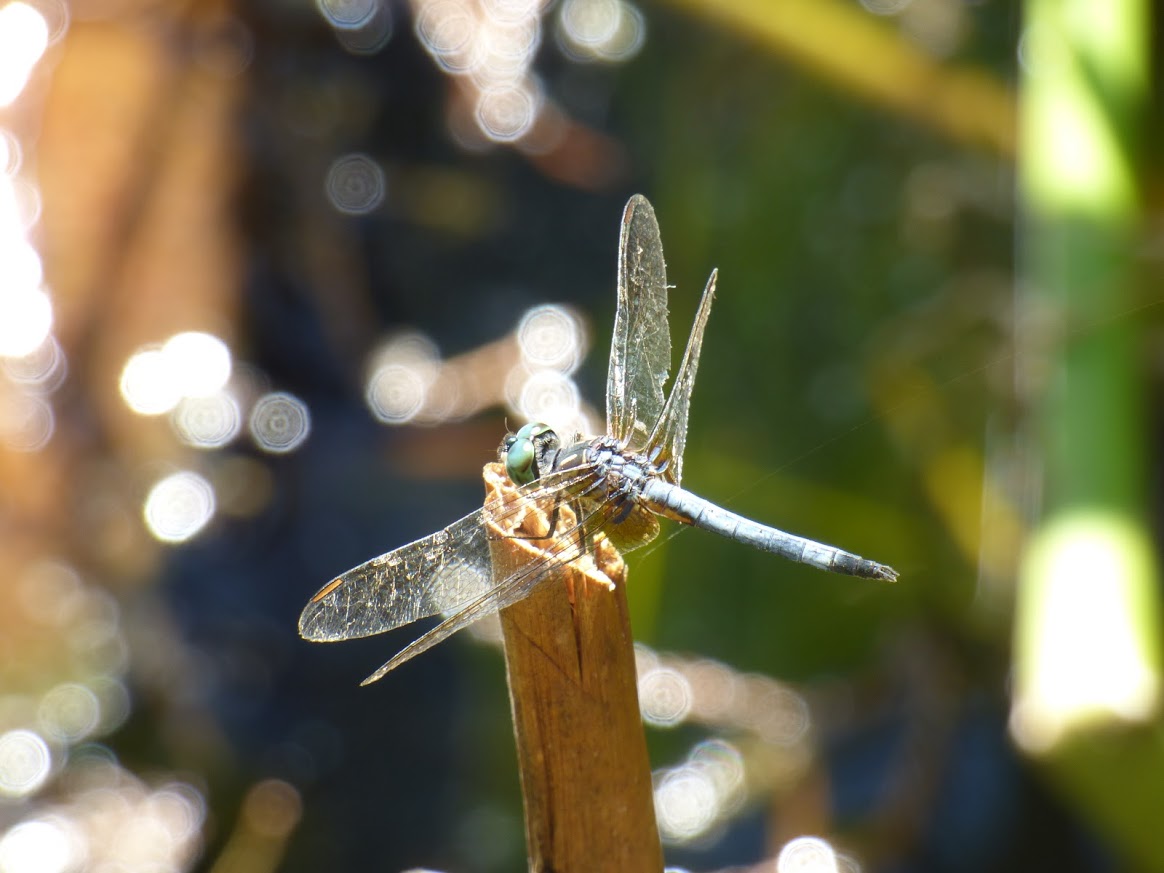
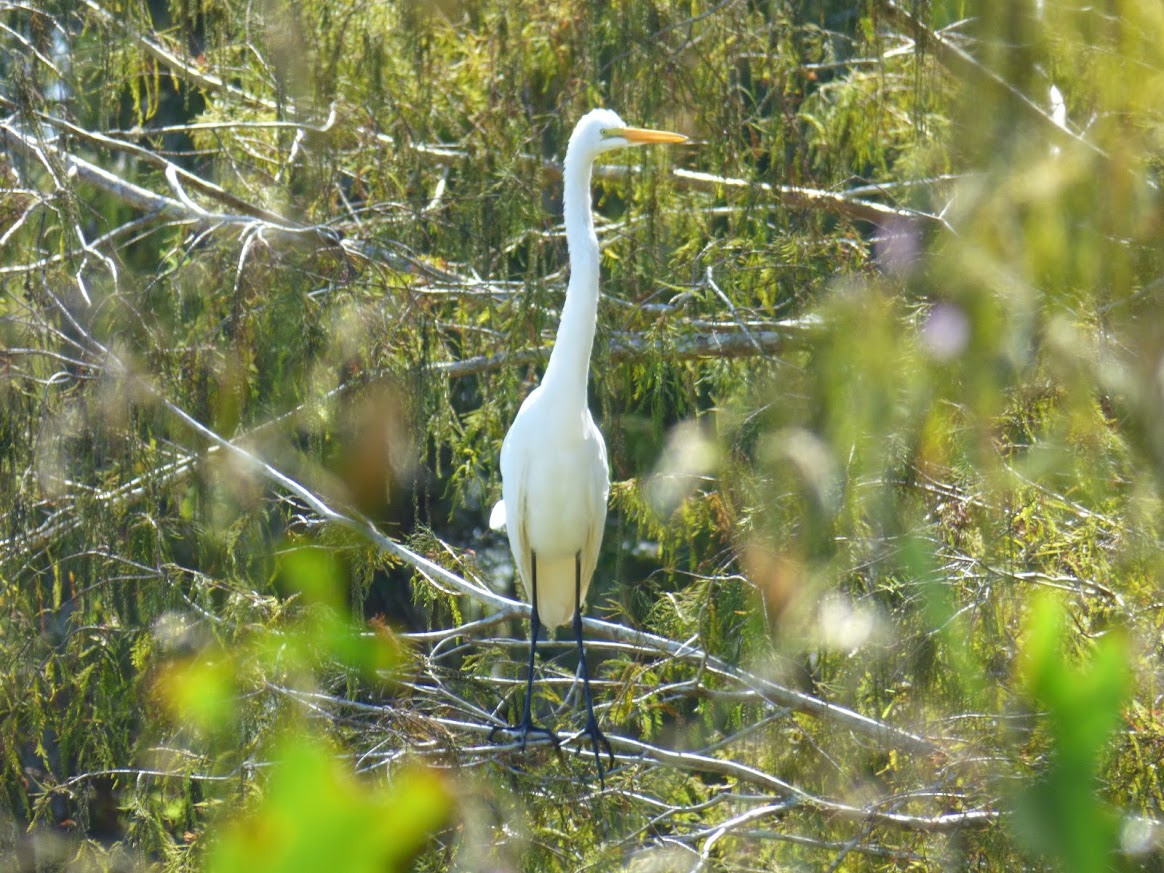
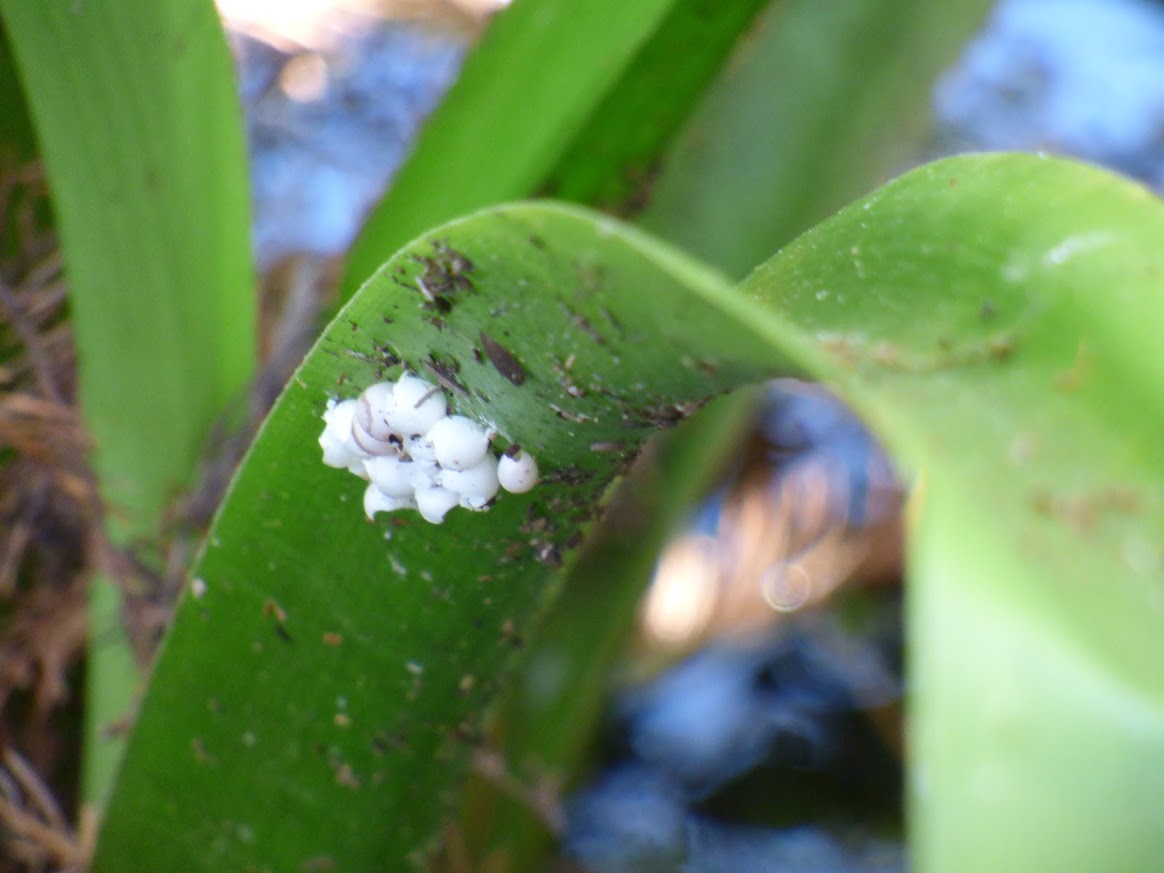
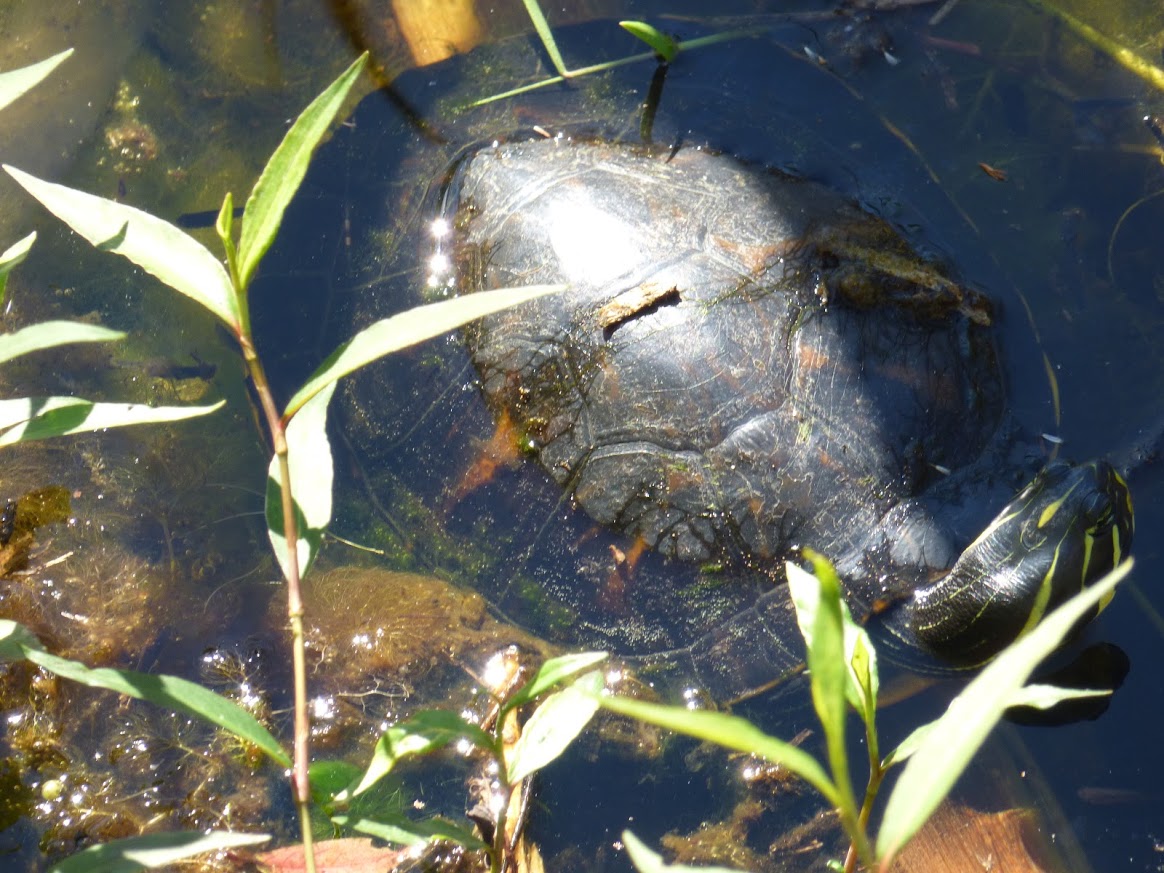
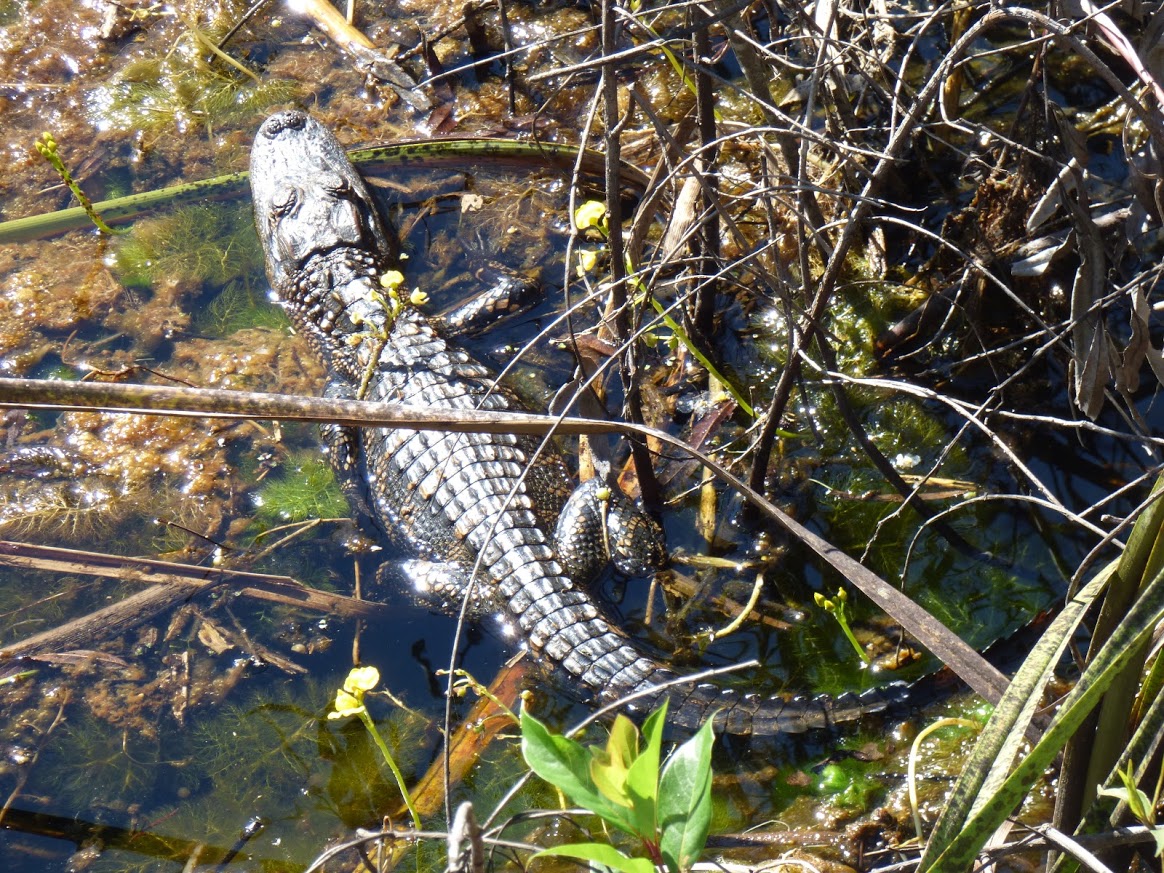
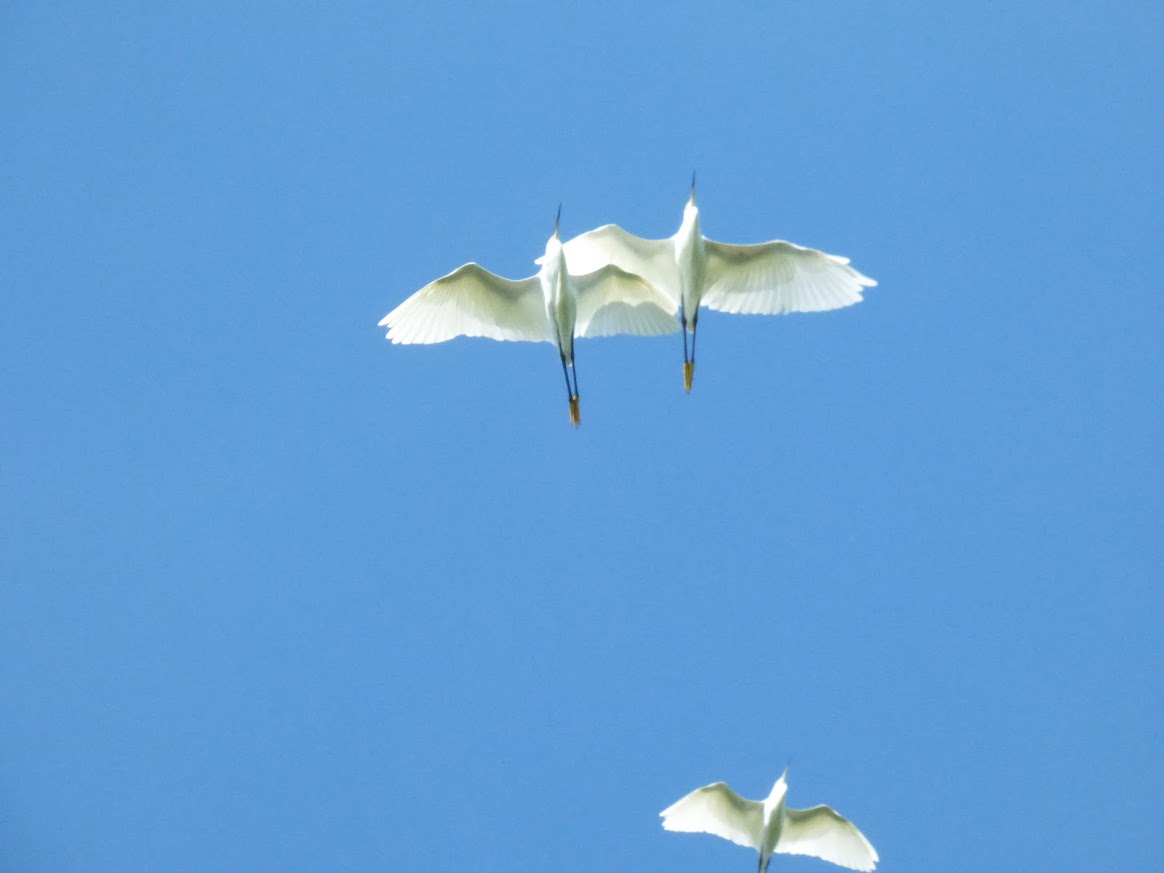
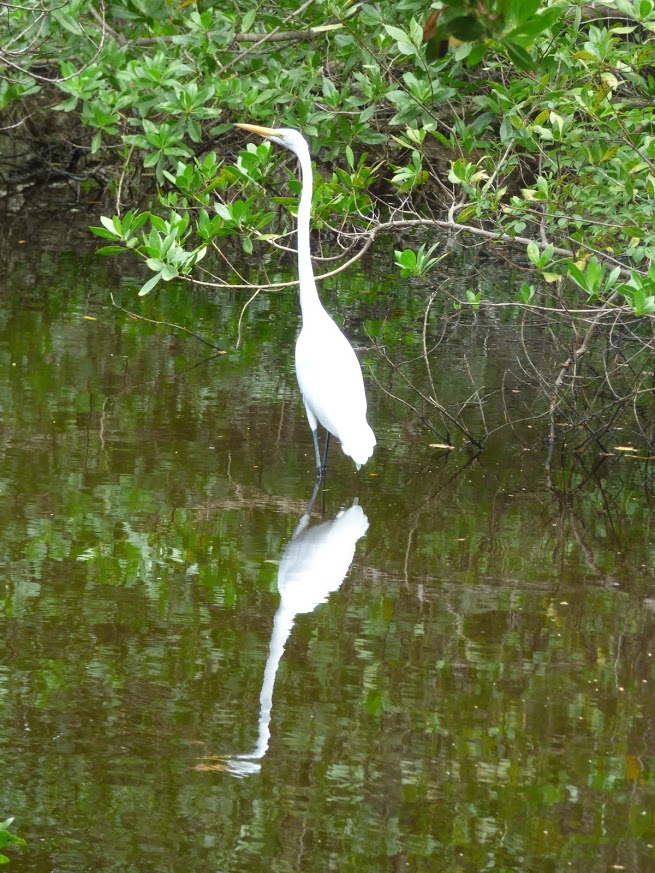
A selection of photos from Audobon Corkscrew Swamp Sanctuary: Brazilian Skipper Butterfly, Red Shouldered Hawk, Pig Frog, Cottonmouth Snake, Resurrection Fern, Fern Spores, Bromeliad (Air Plant), Raccoon, Mottled Umber Moth Larvae, Ruddy Daggerwing Butterfly, Black Swallowtail Butterfly, Blue Dasher Dragonfly, Great Egret, Snail Eggs, Florida Red-Bellied Cooter Turtle, American Alligator

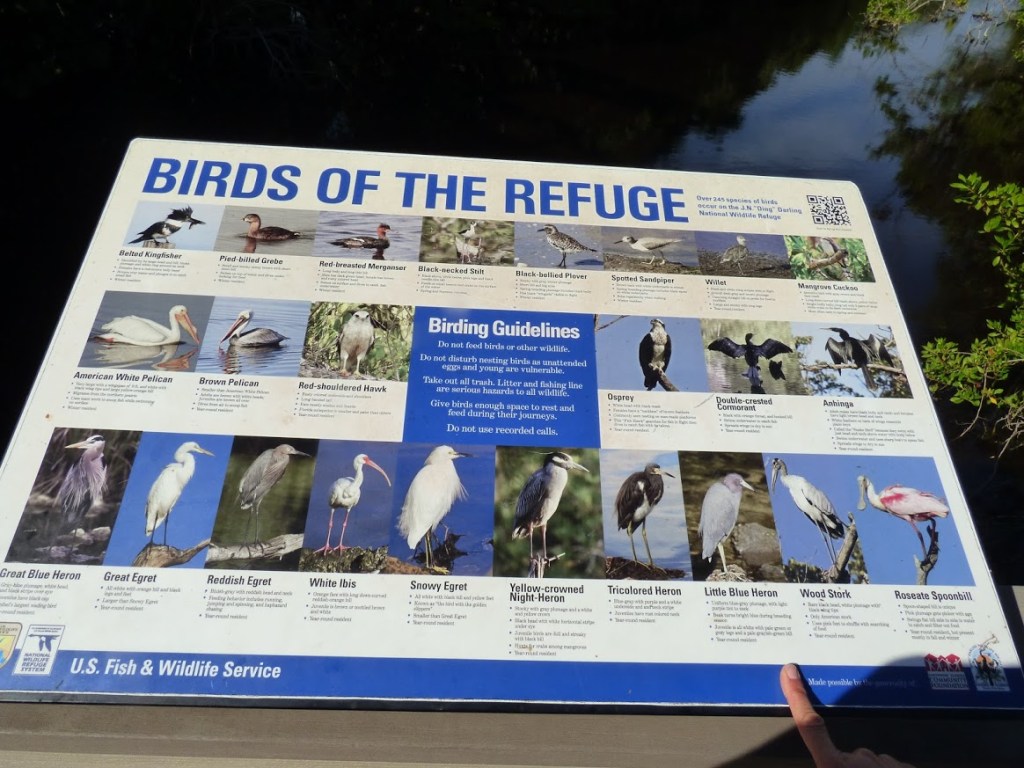
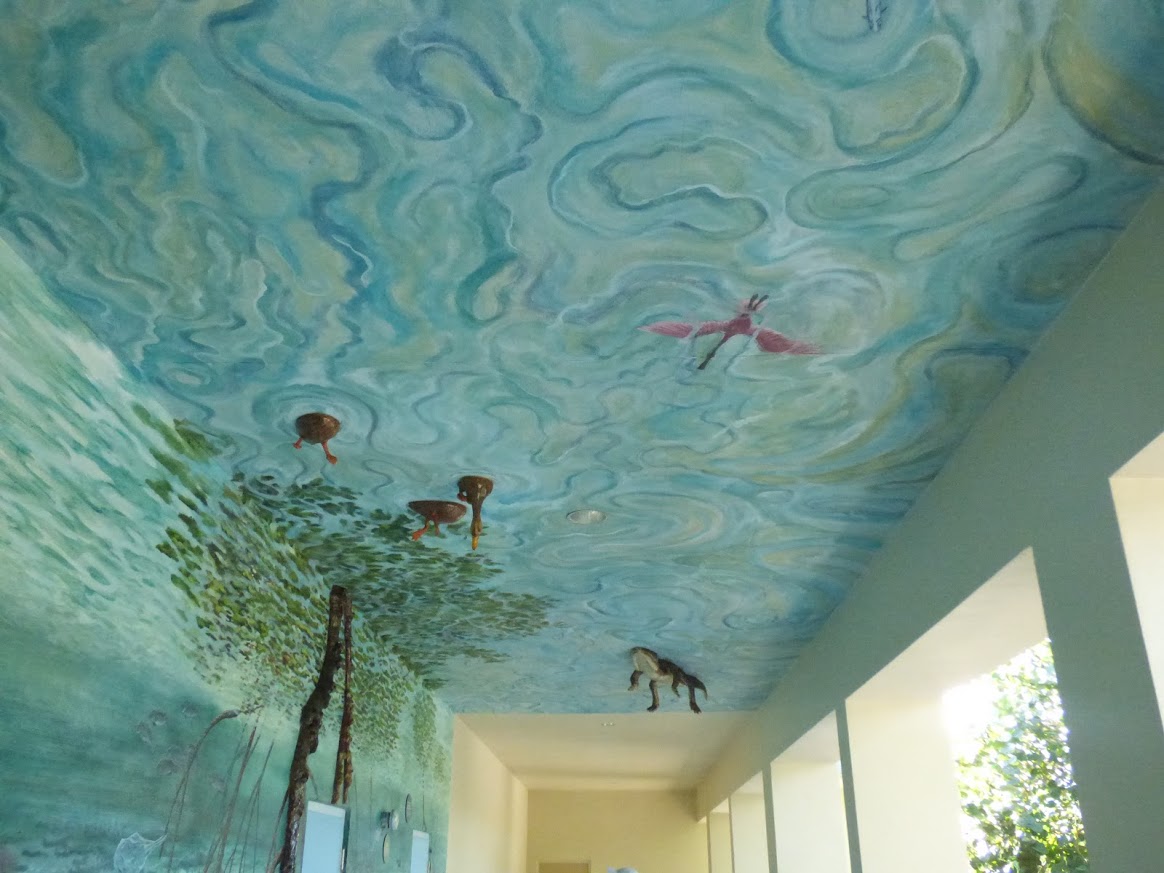
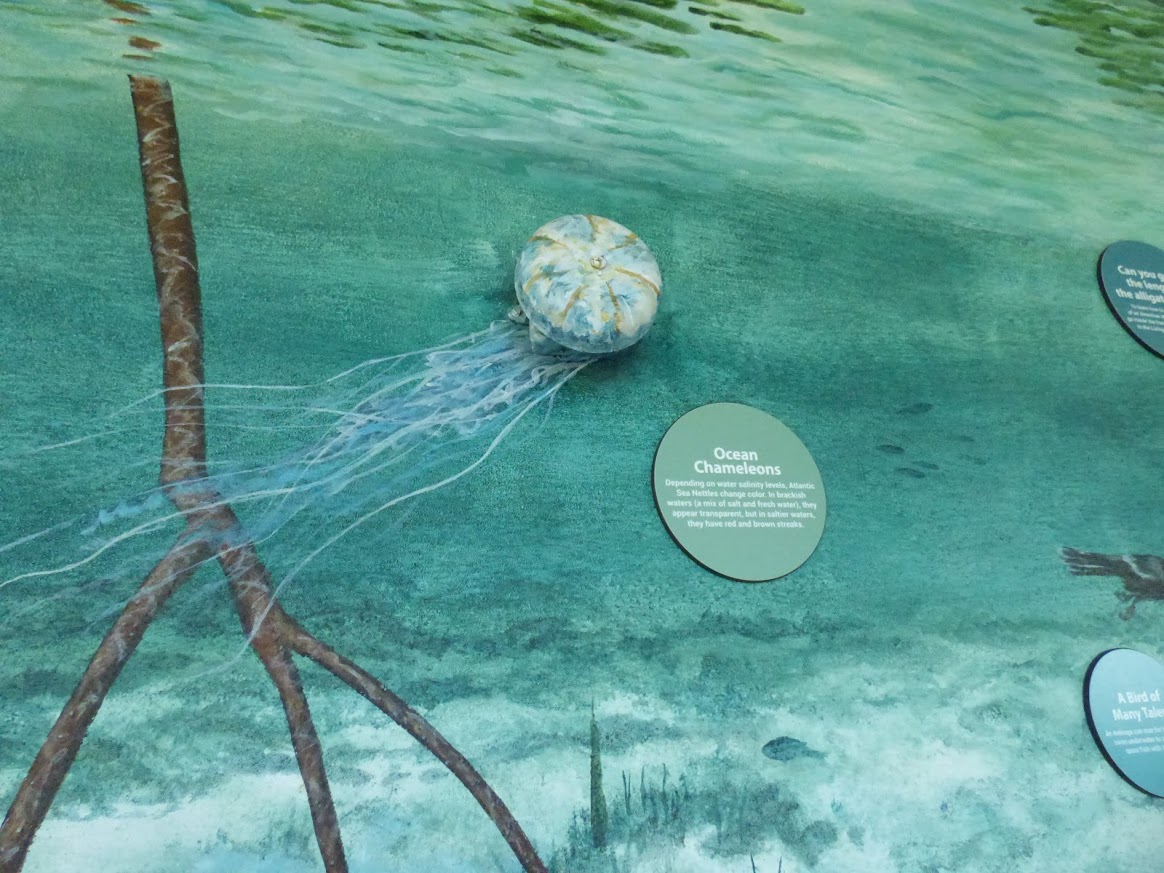
The third reserve we visited was Ding Darling Reserve, which had a beautifully decorated entranceway. They had indoor exhibits with interactive activities to help visitors learn about the animals they could find here, as well as multiple different walking and driving trails. We saw so many different birds!

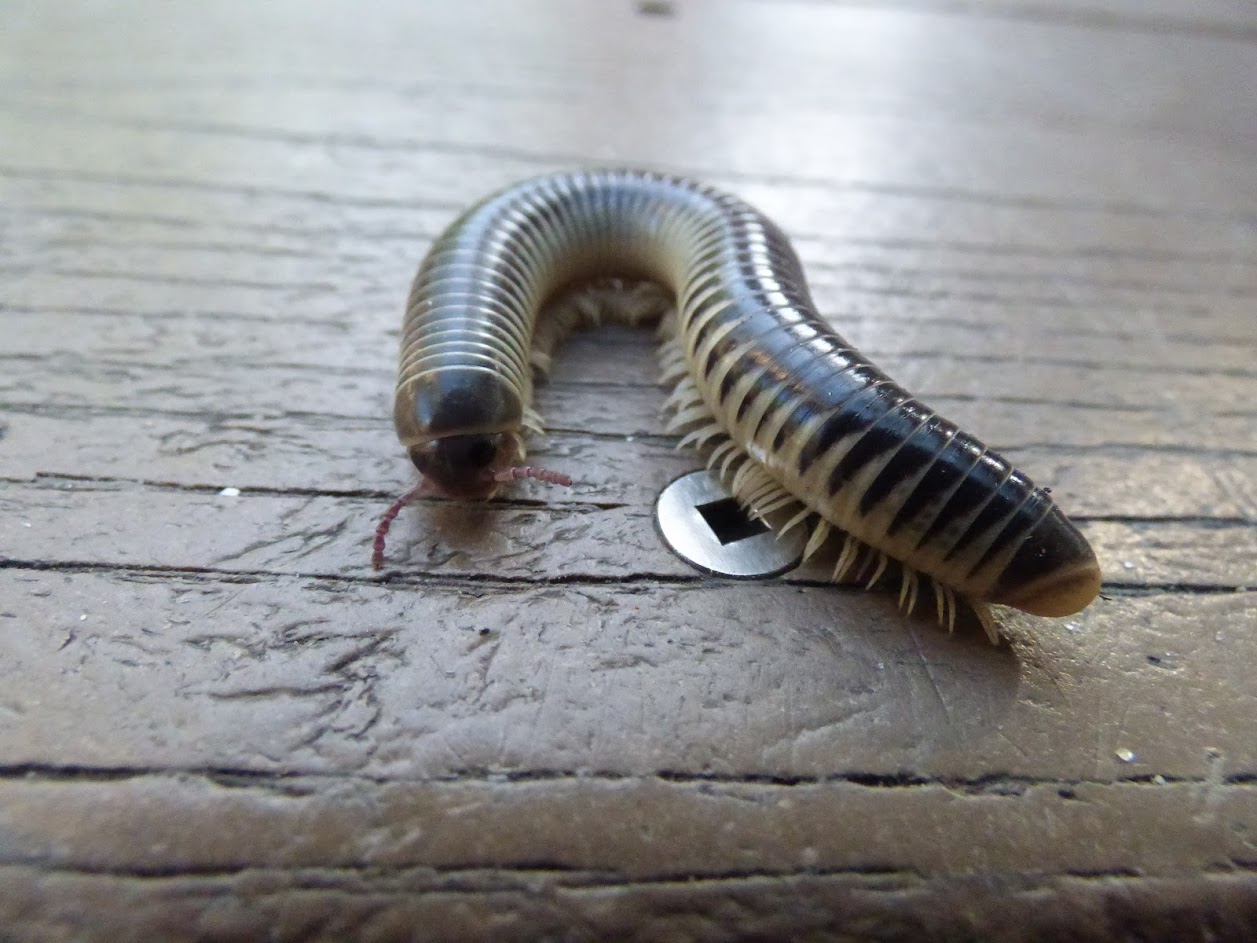
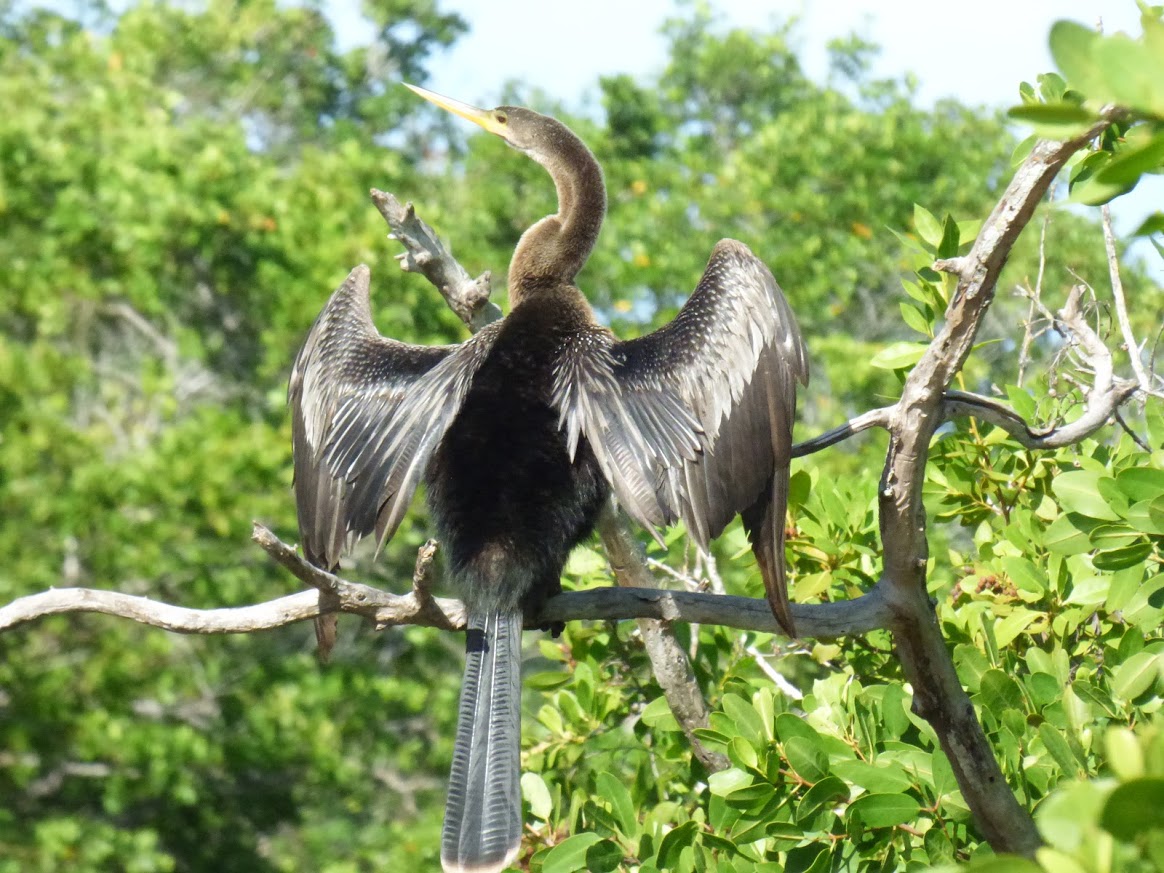
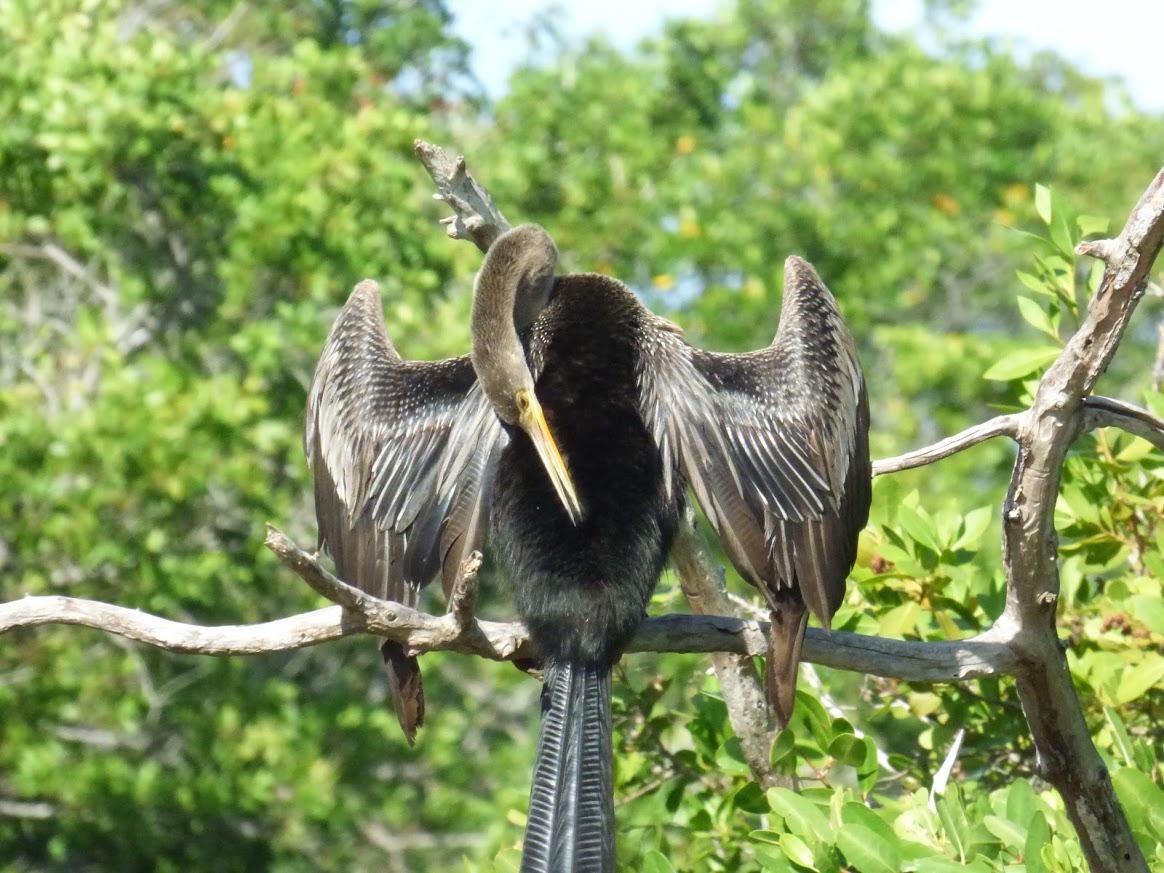
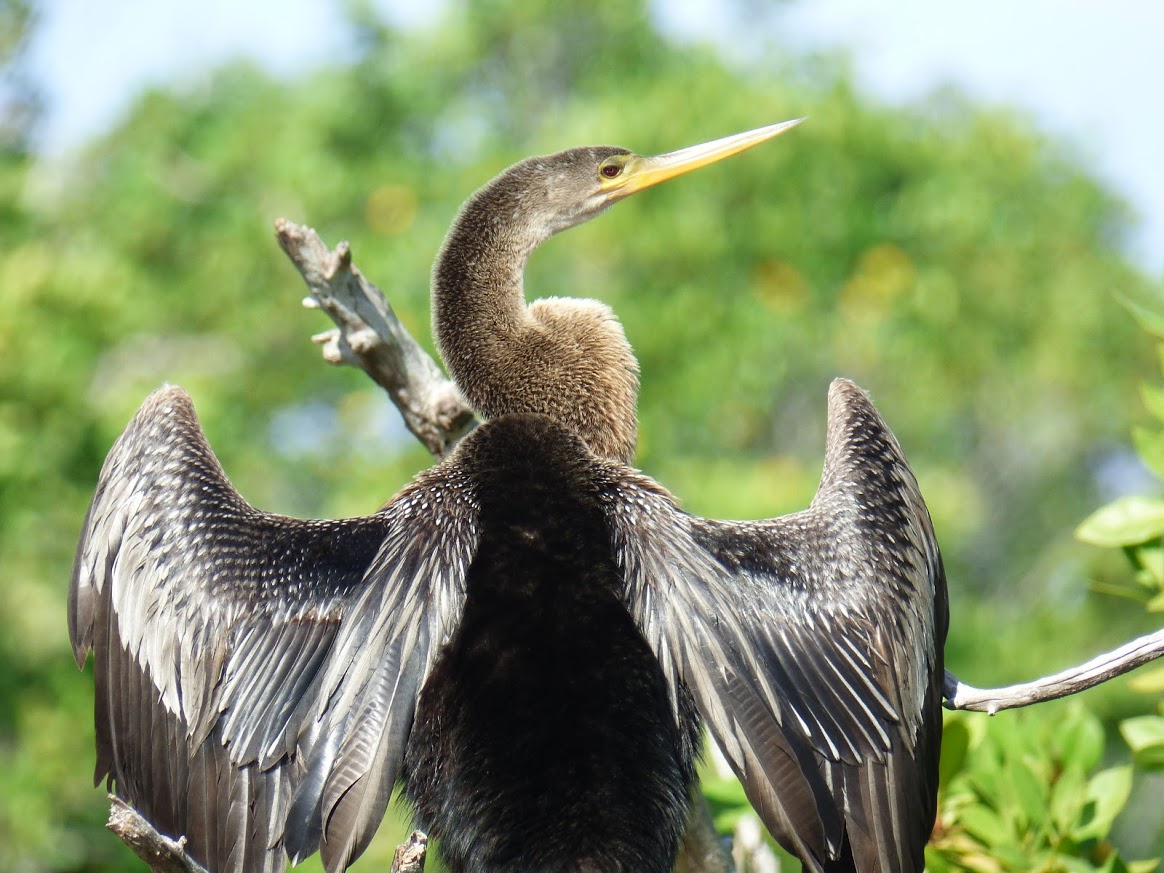
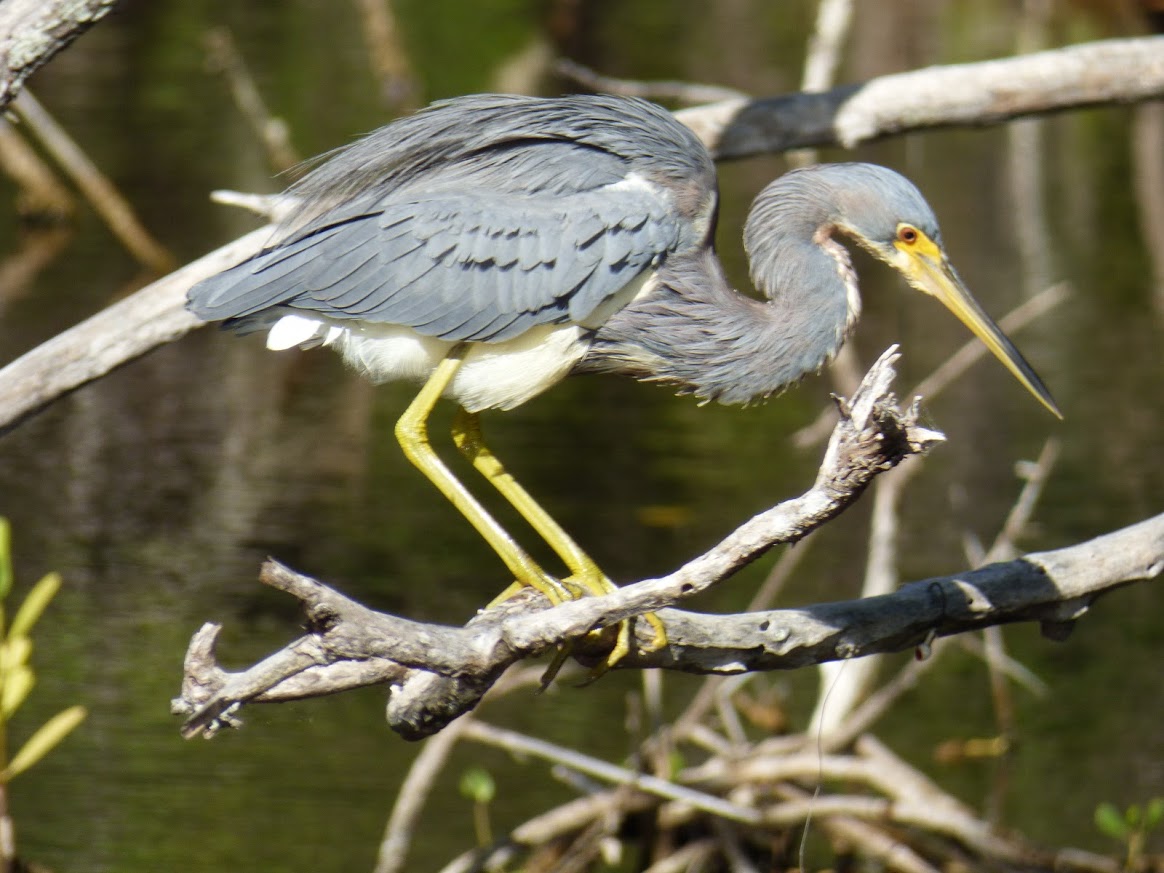
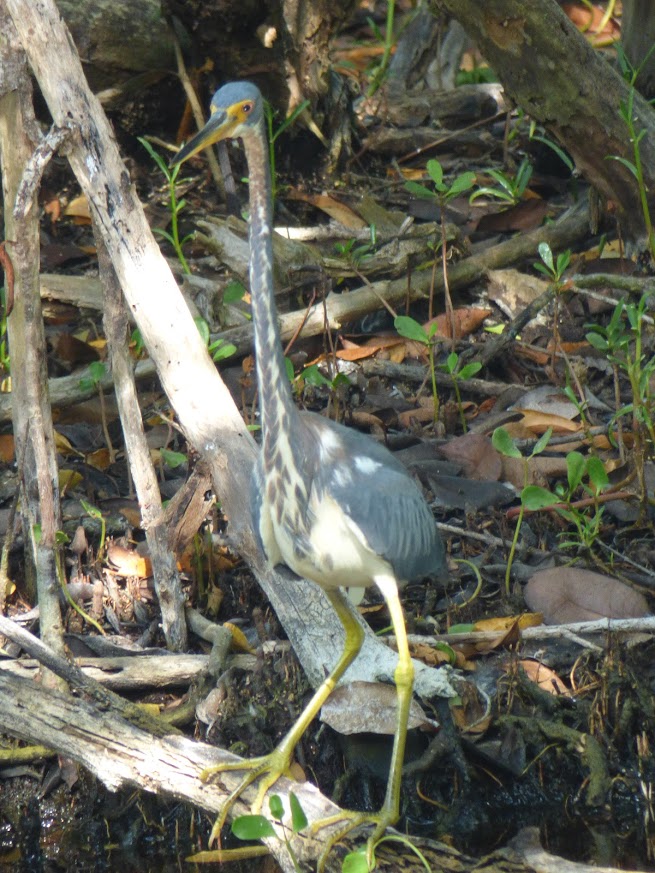
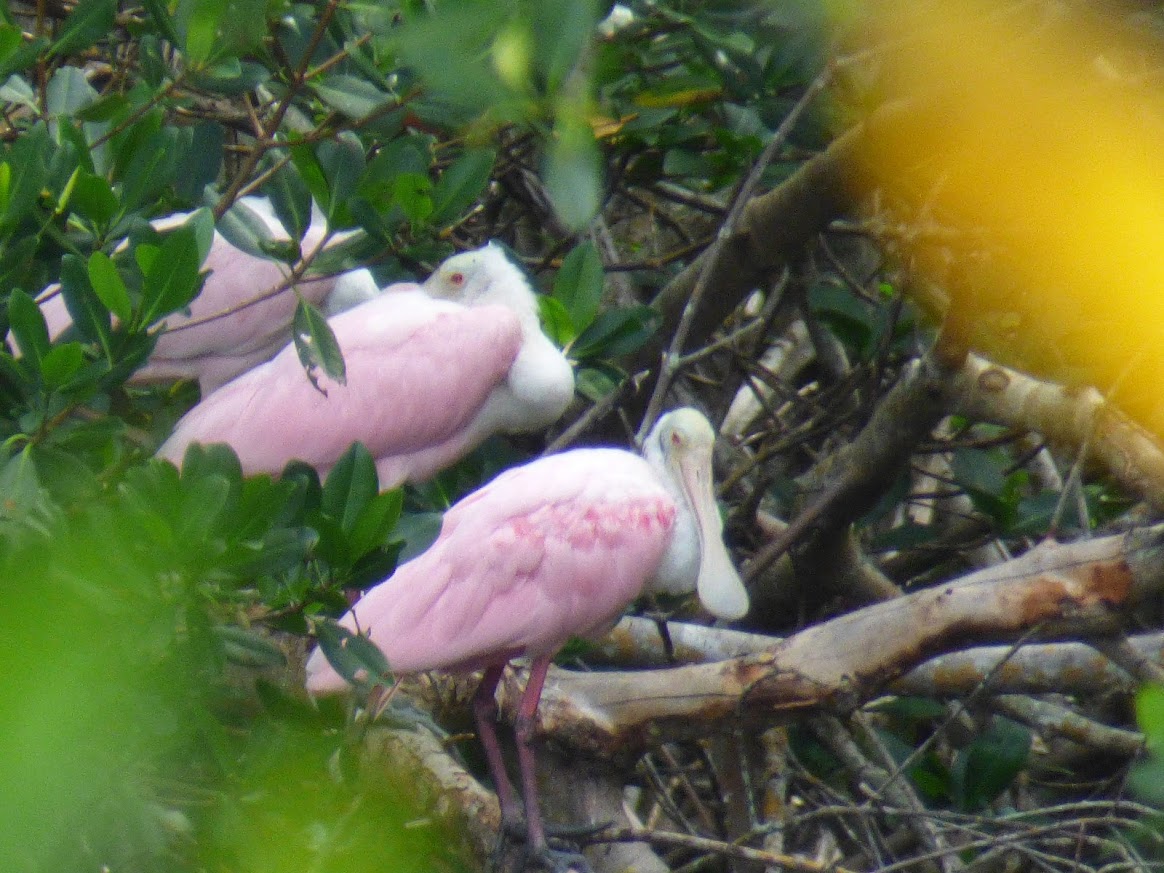
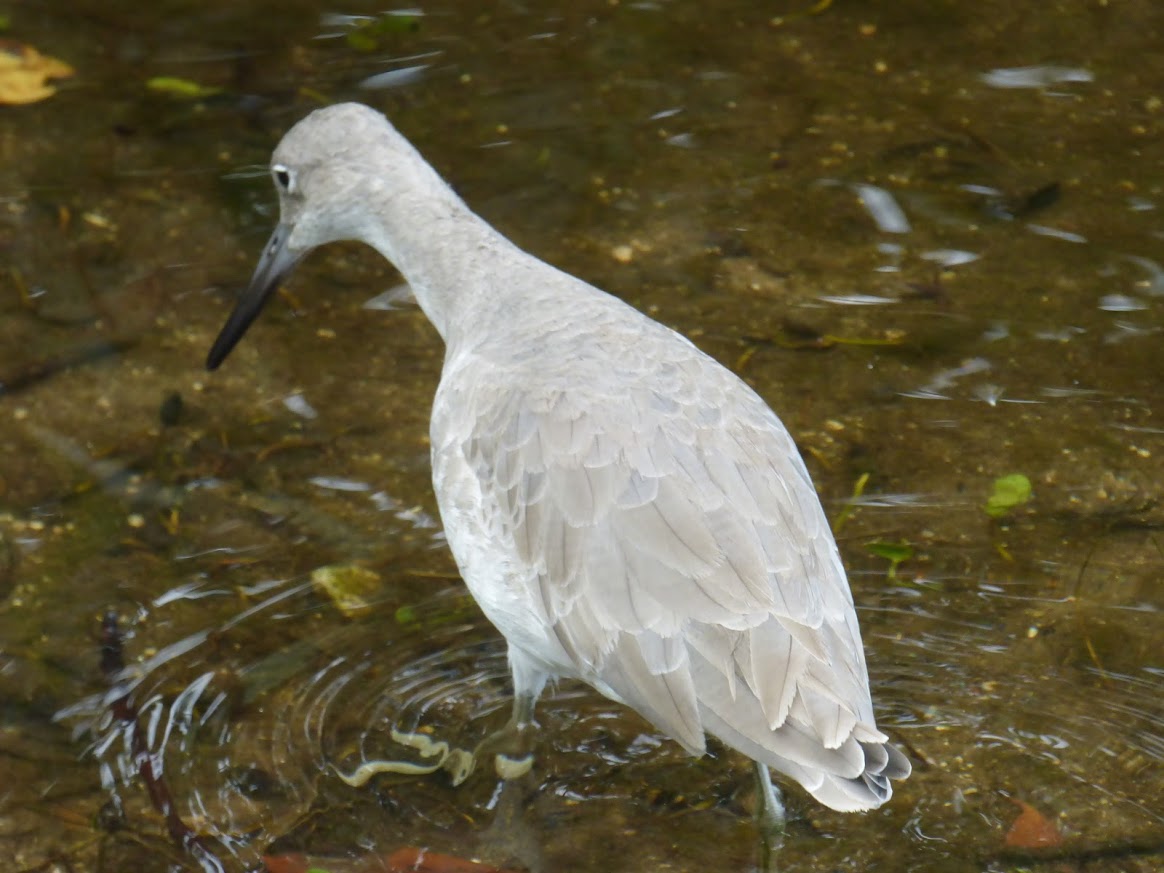
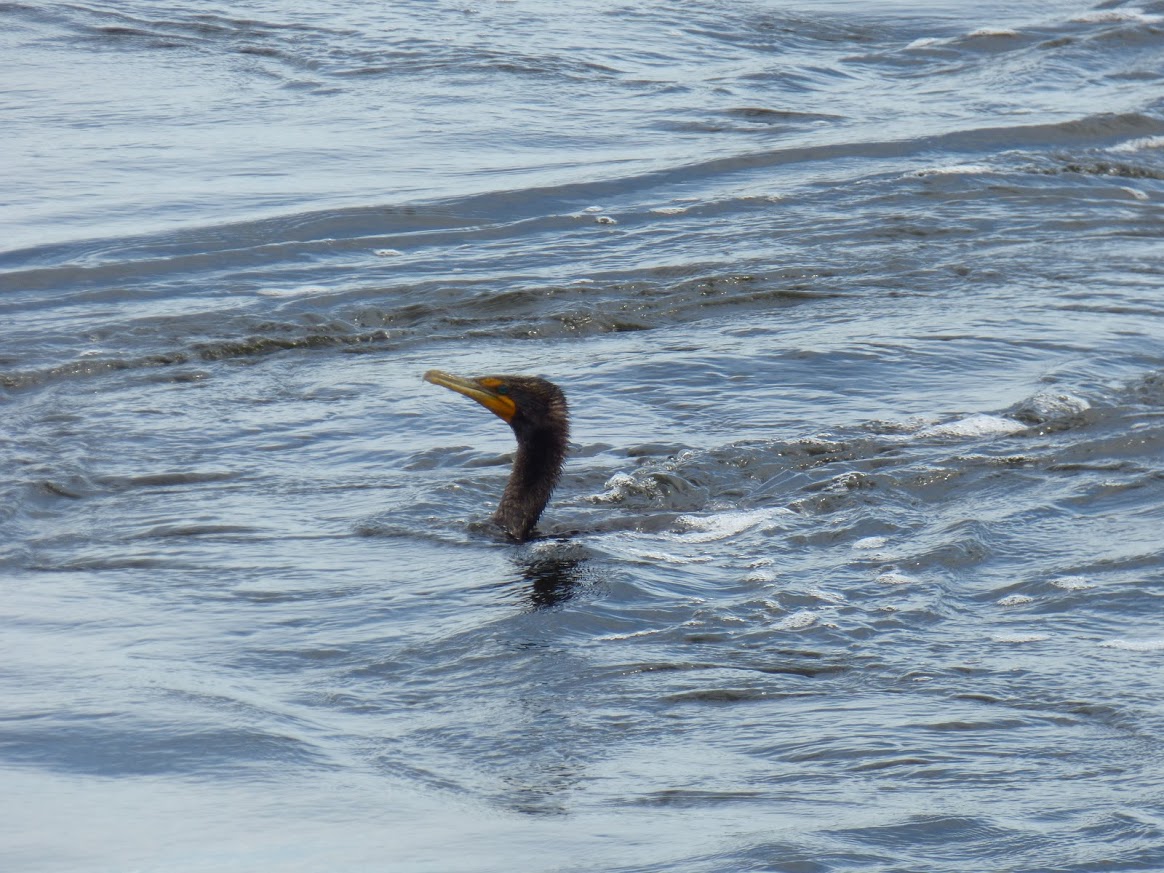
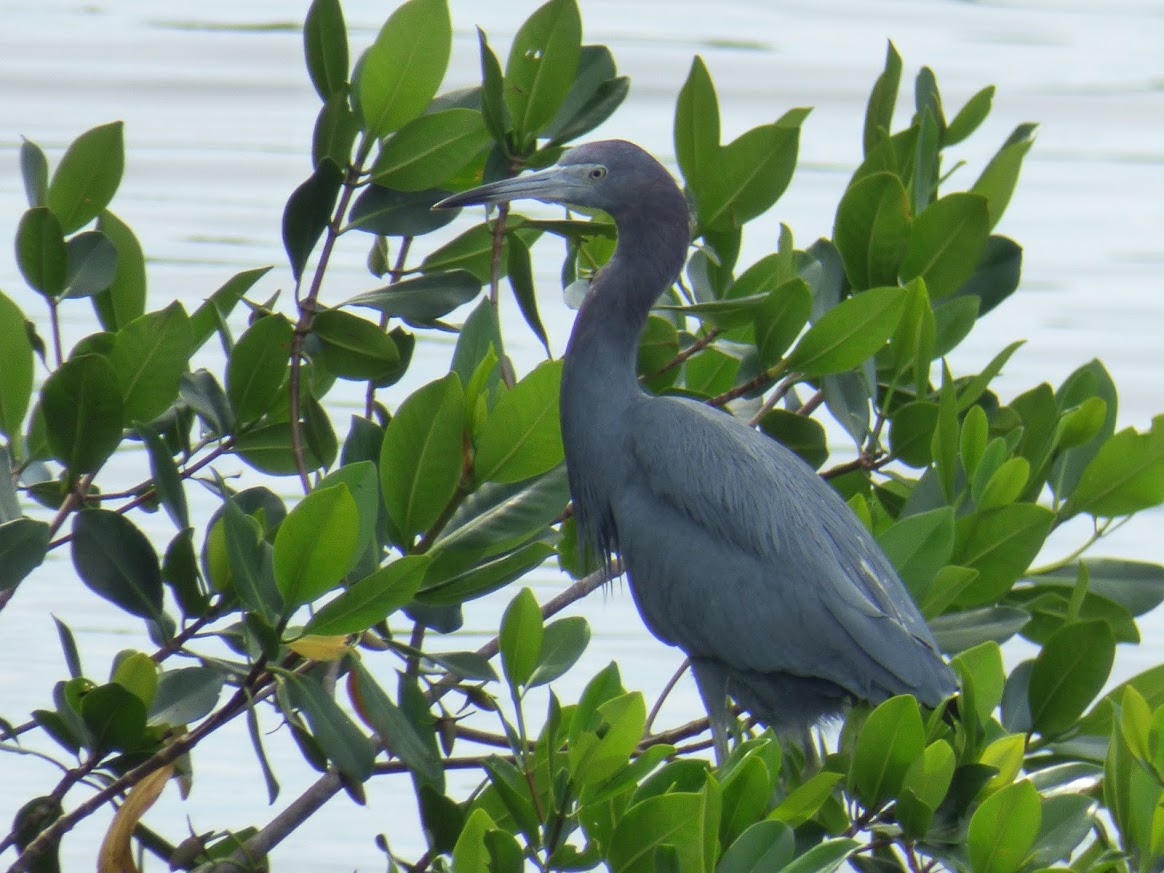
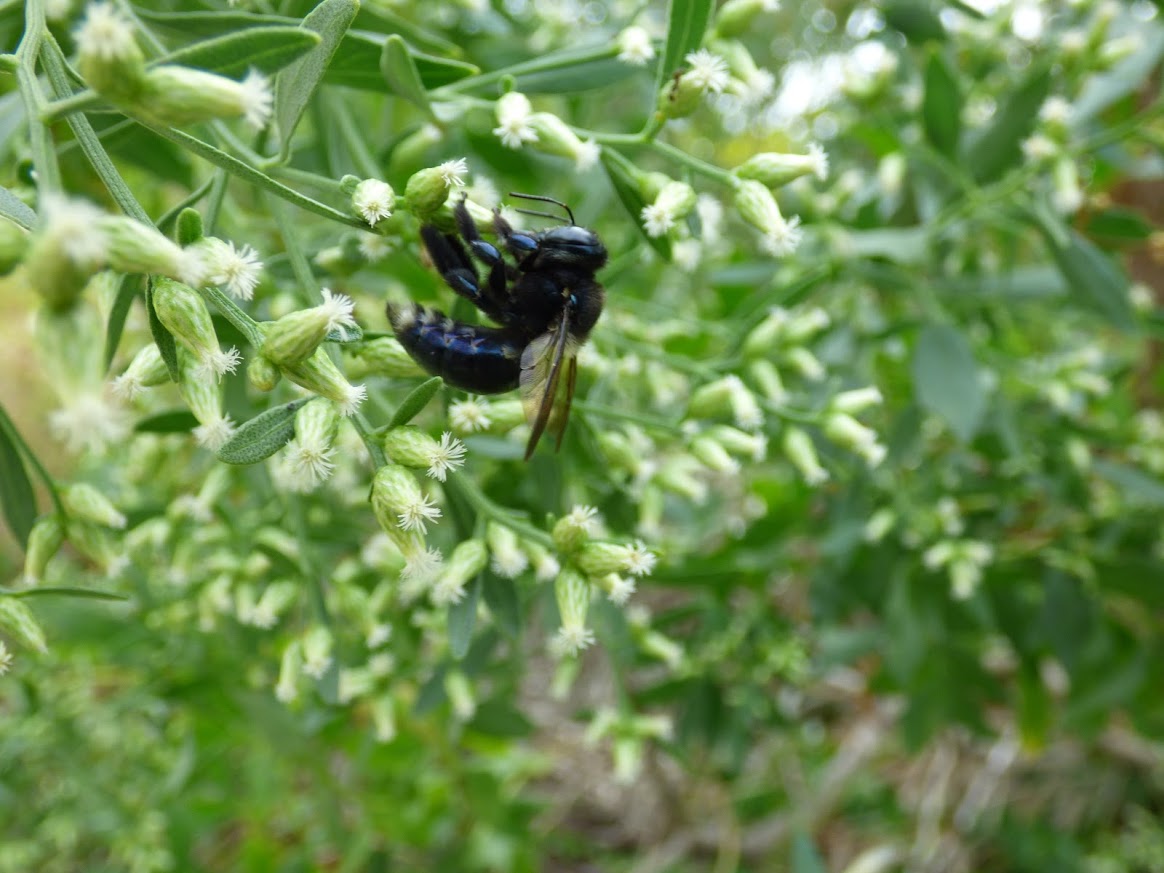
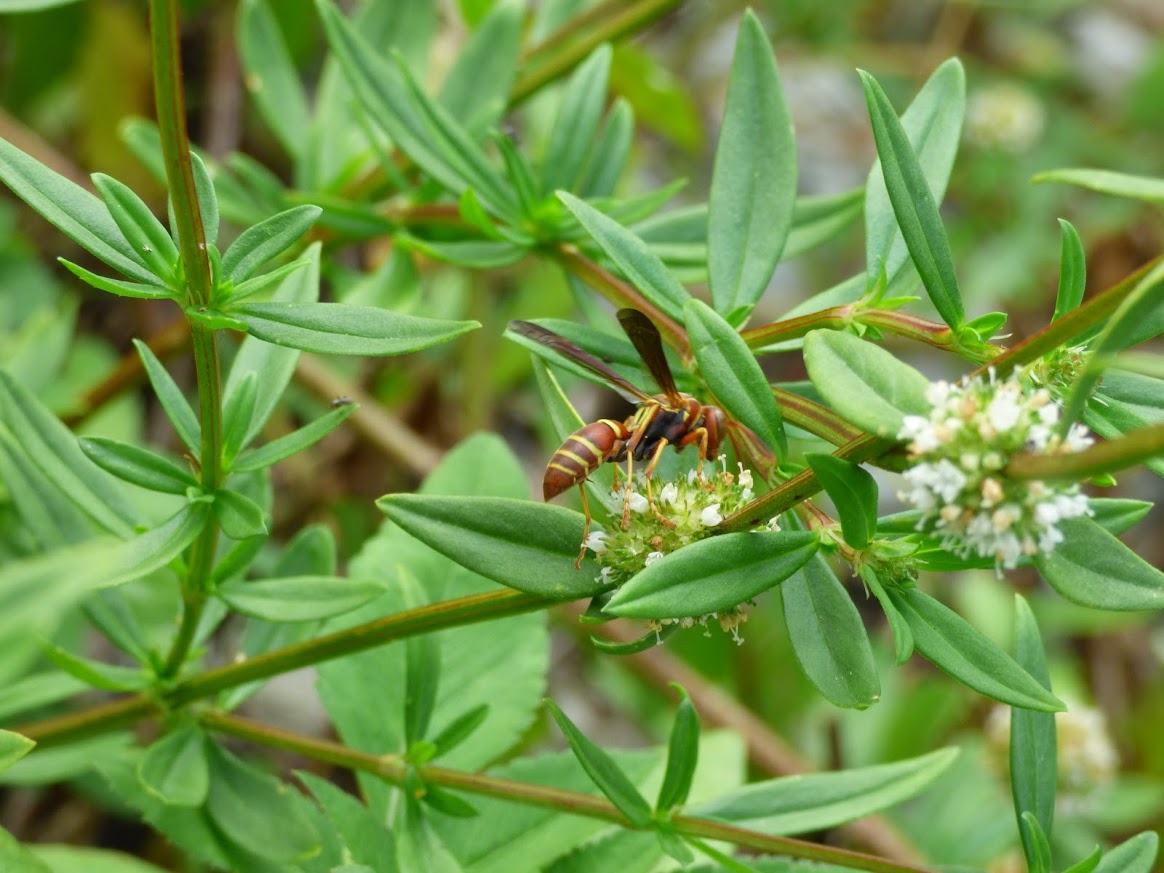
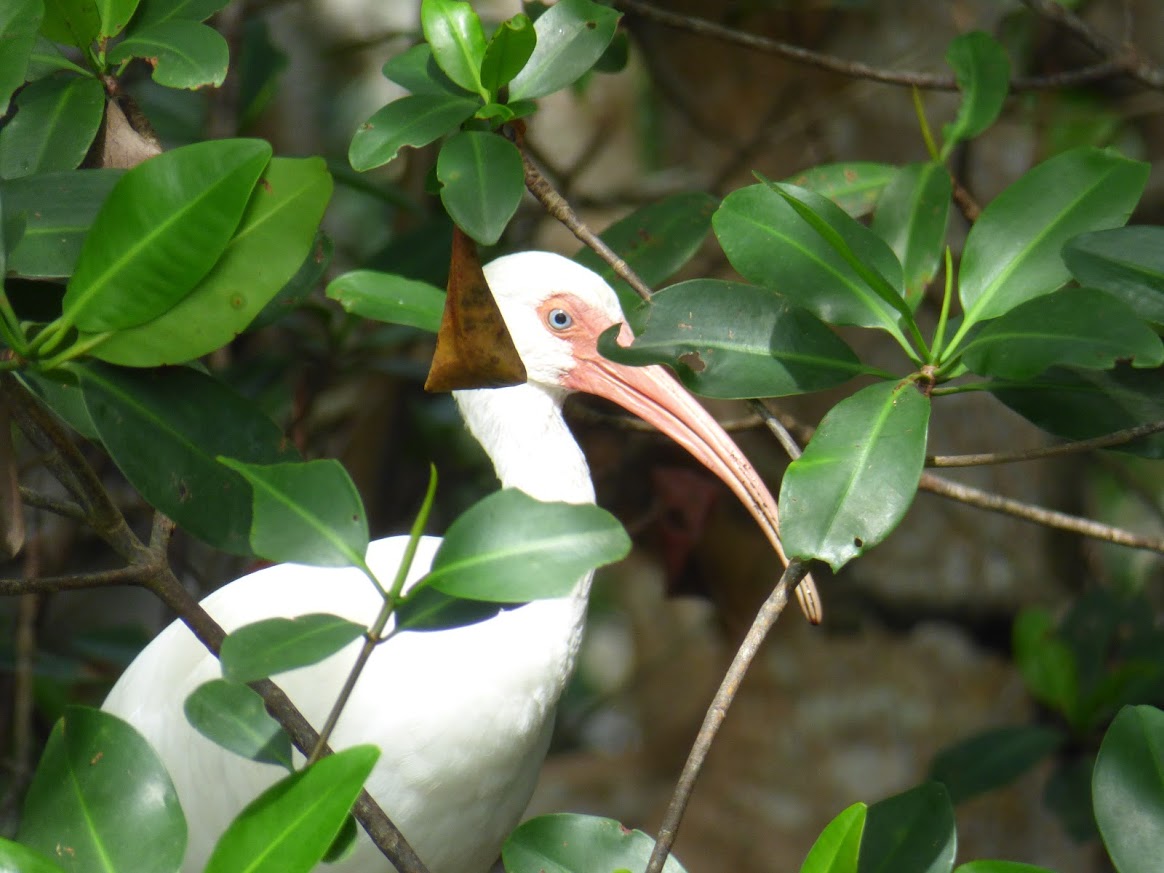
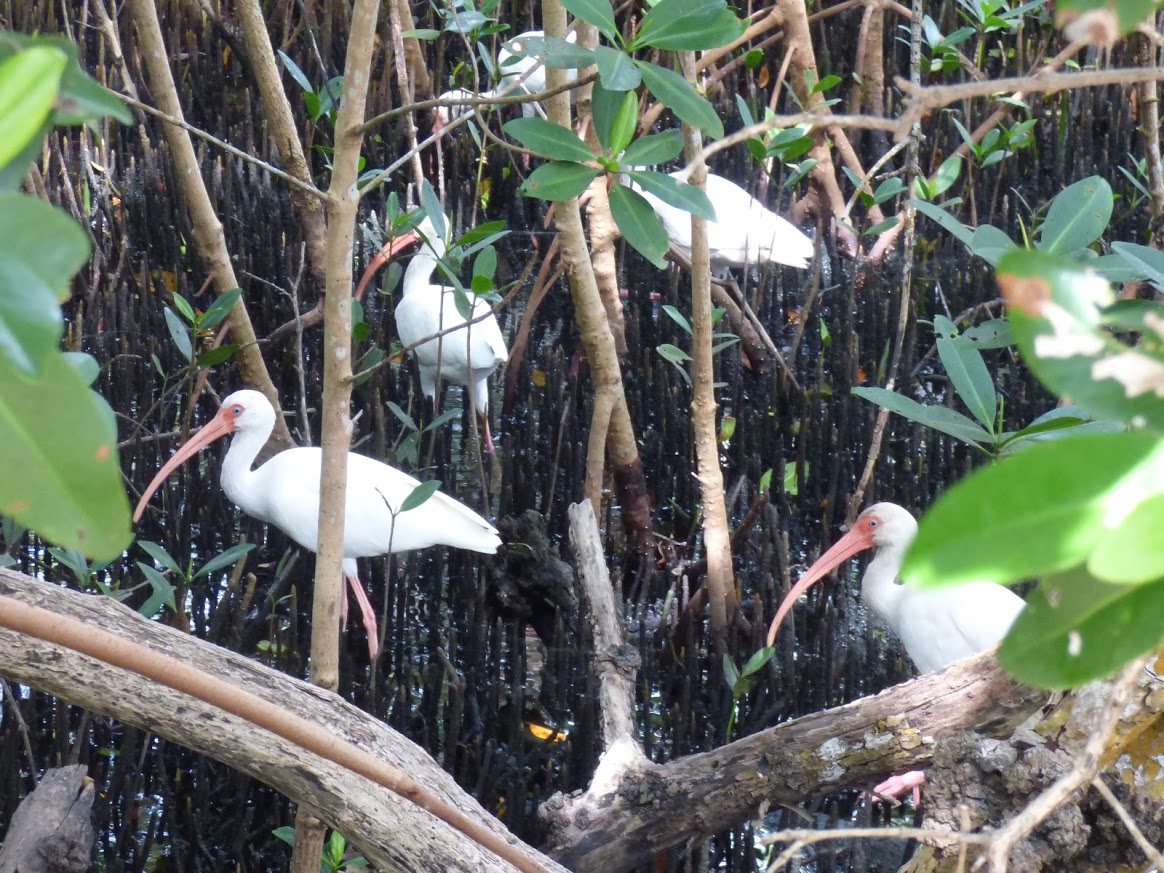
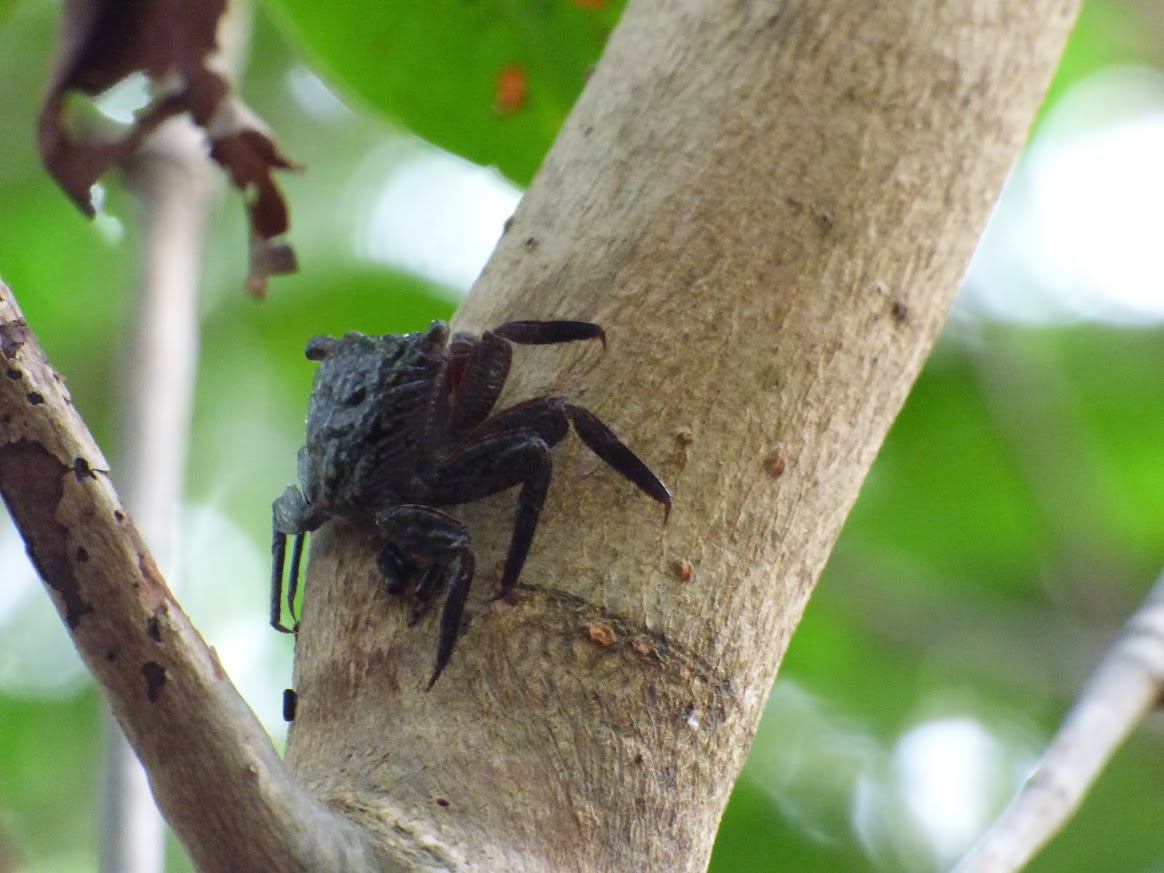
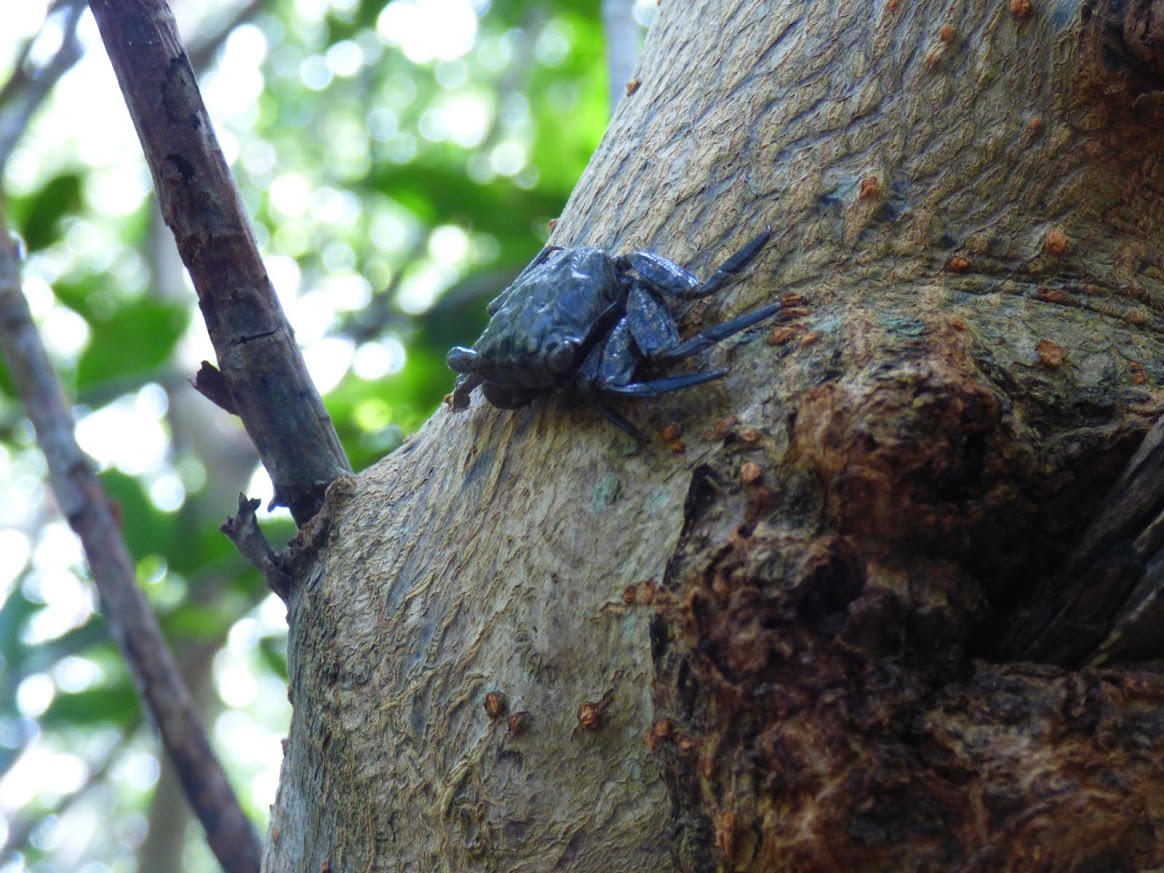
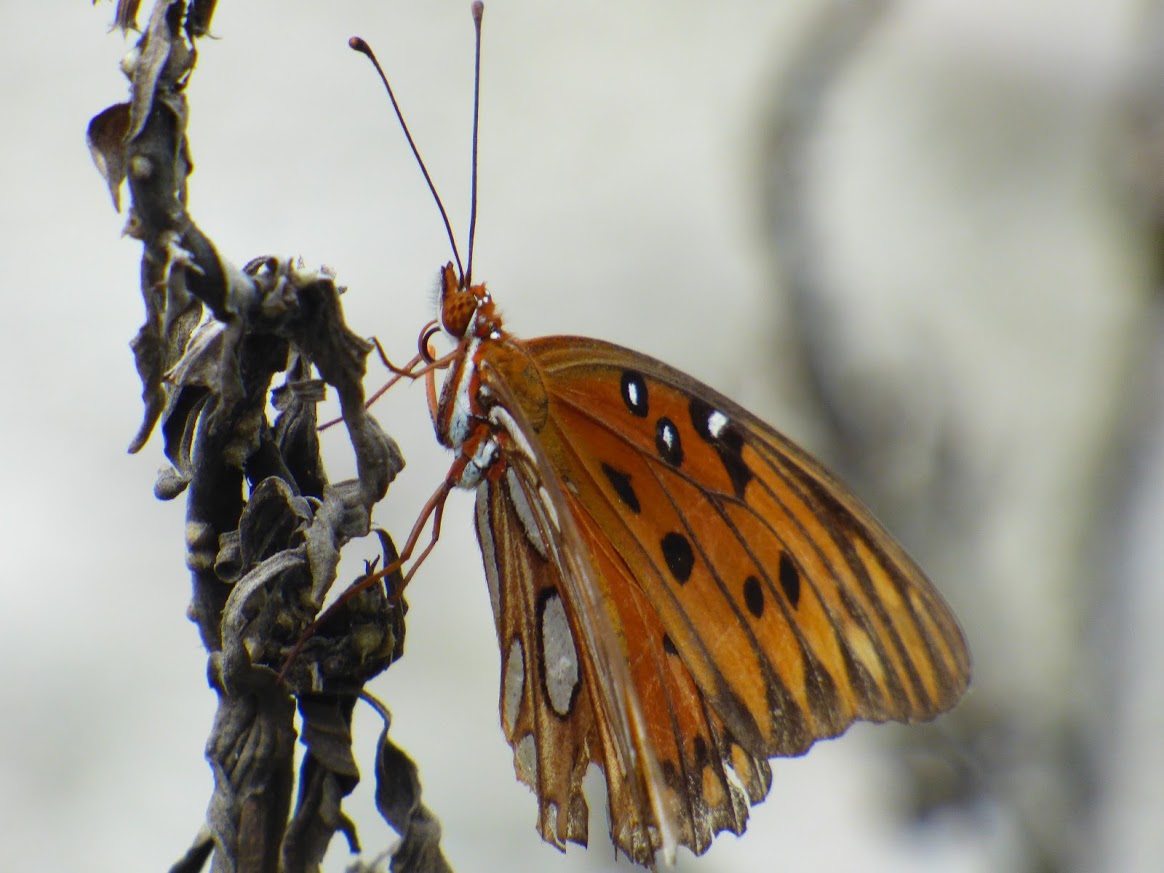
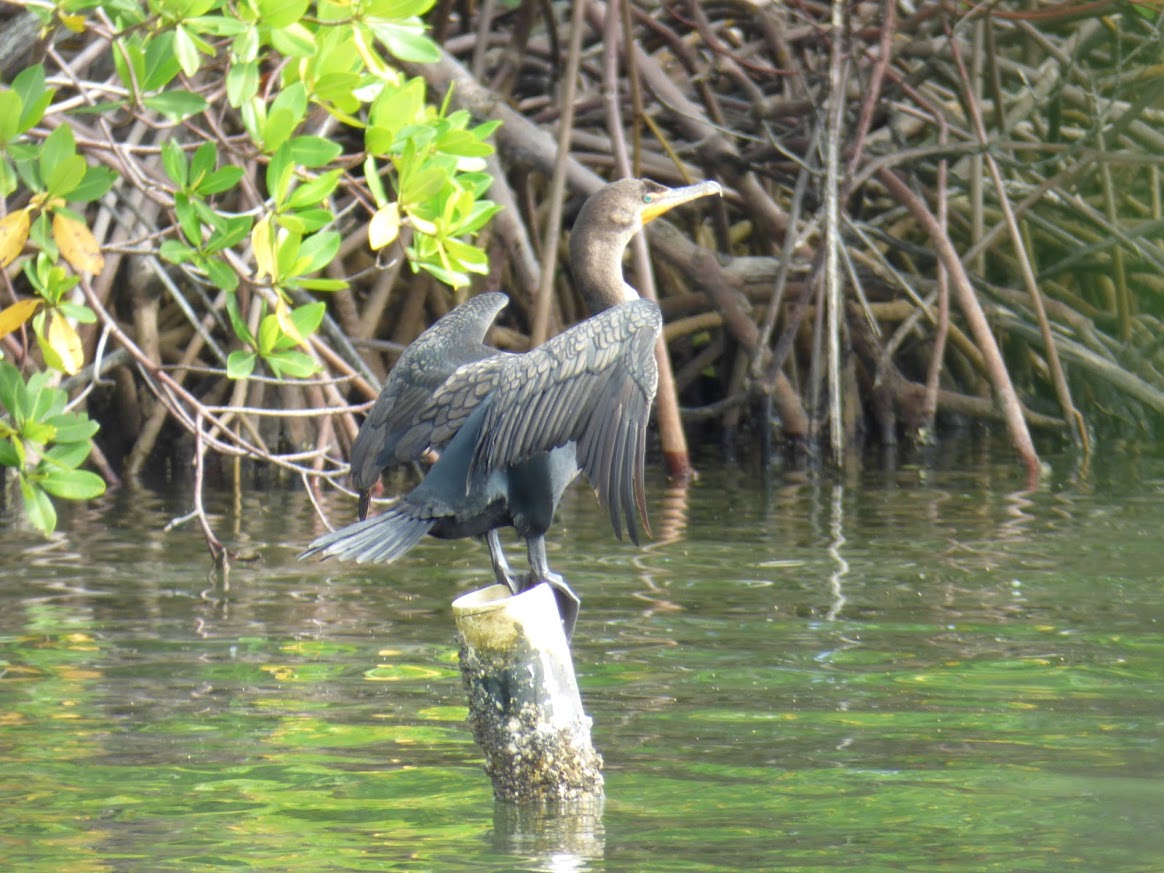
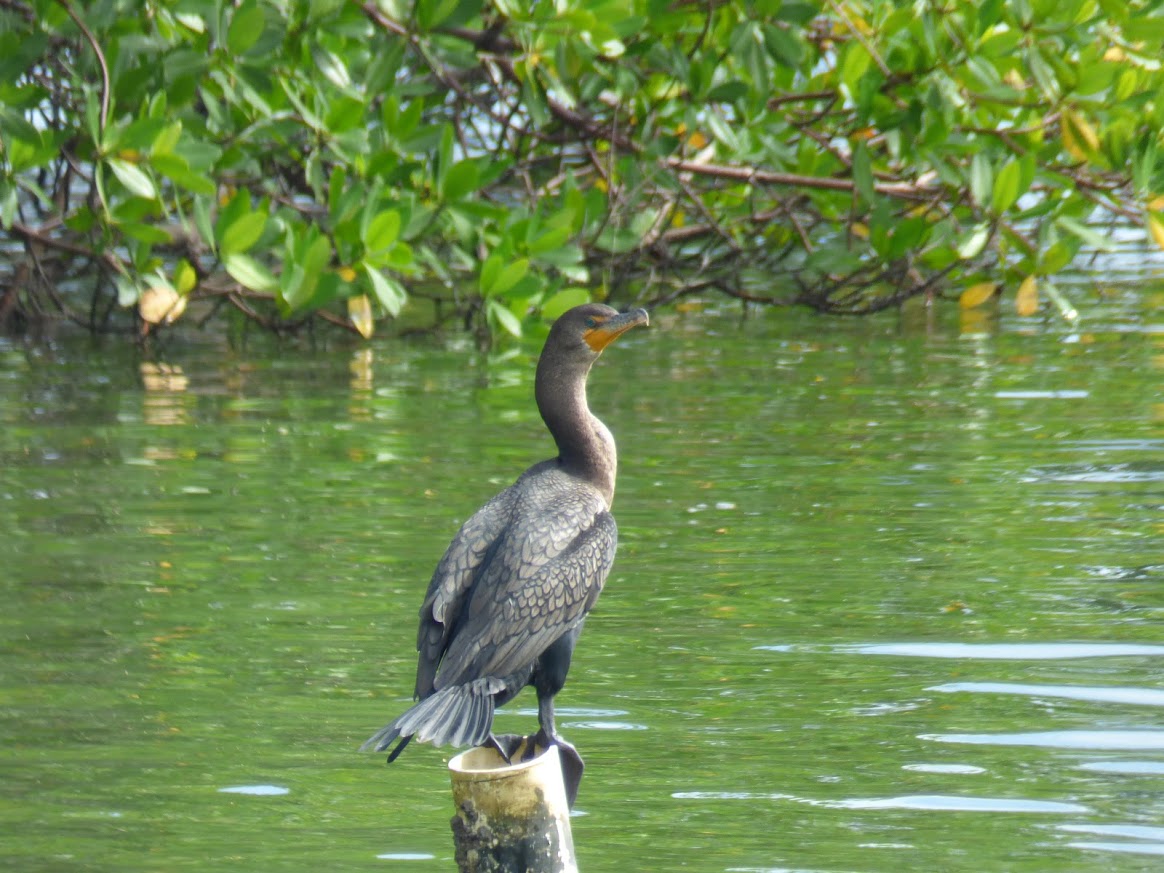
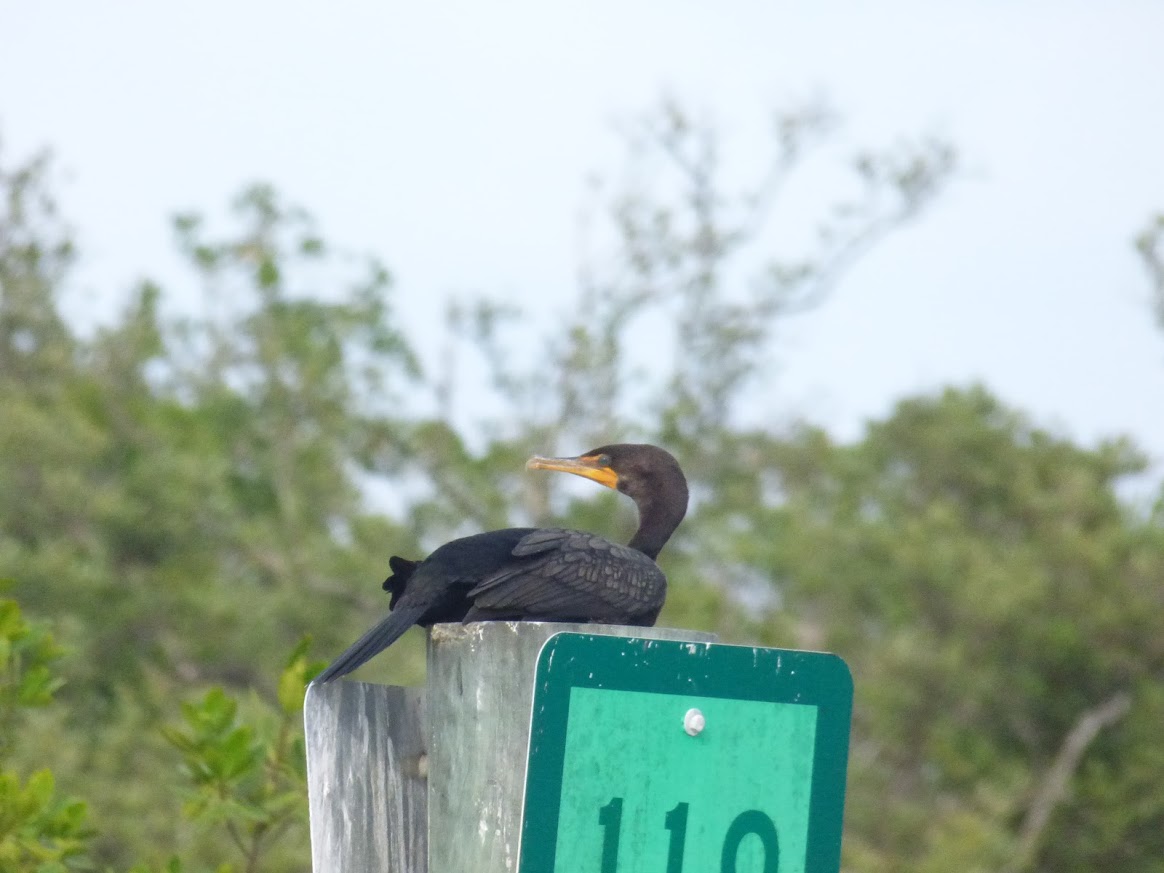
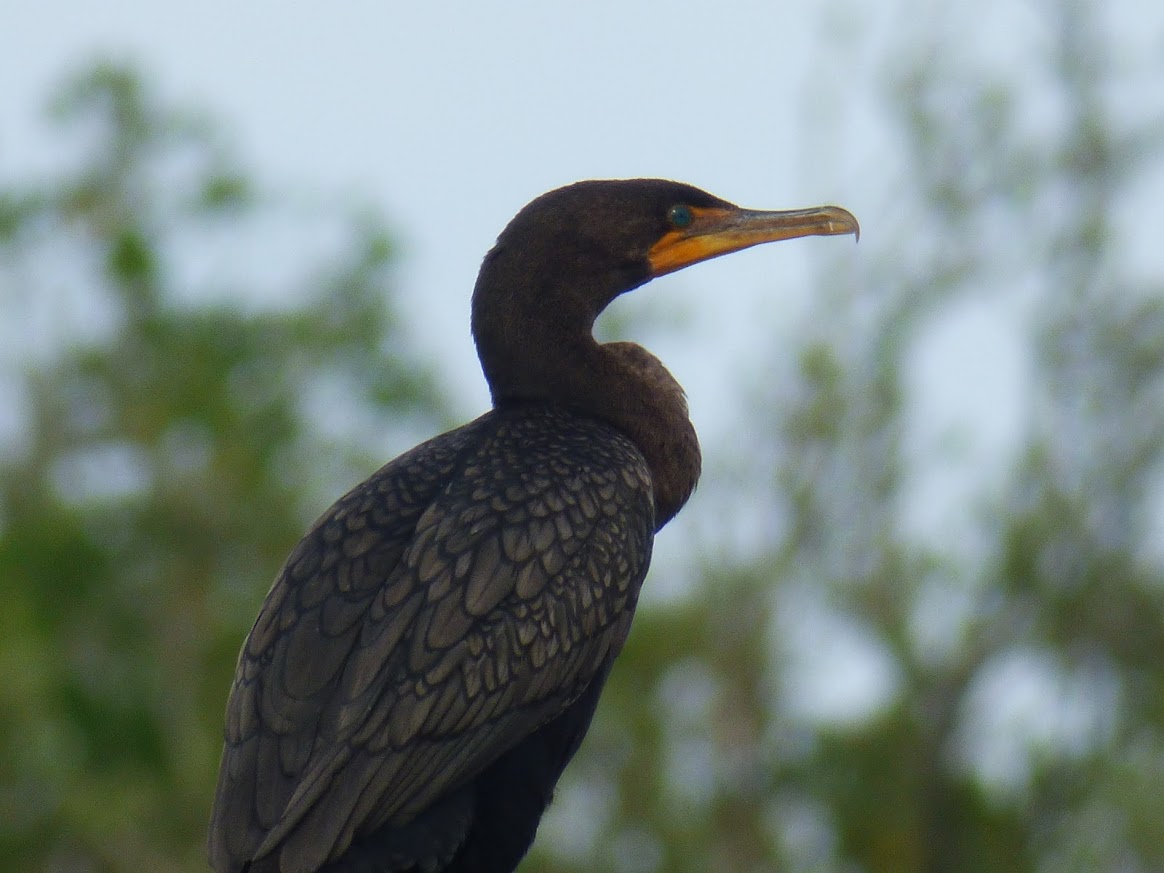
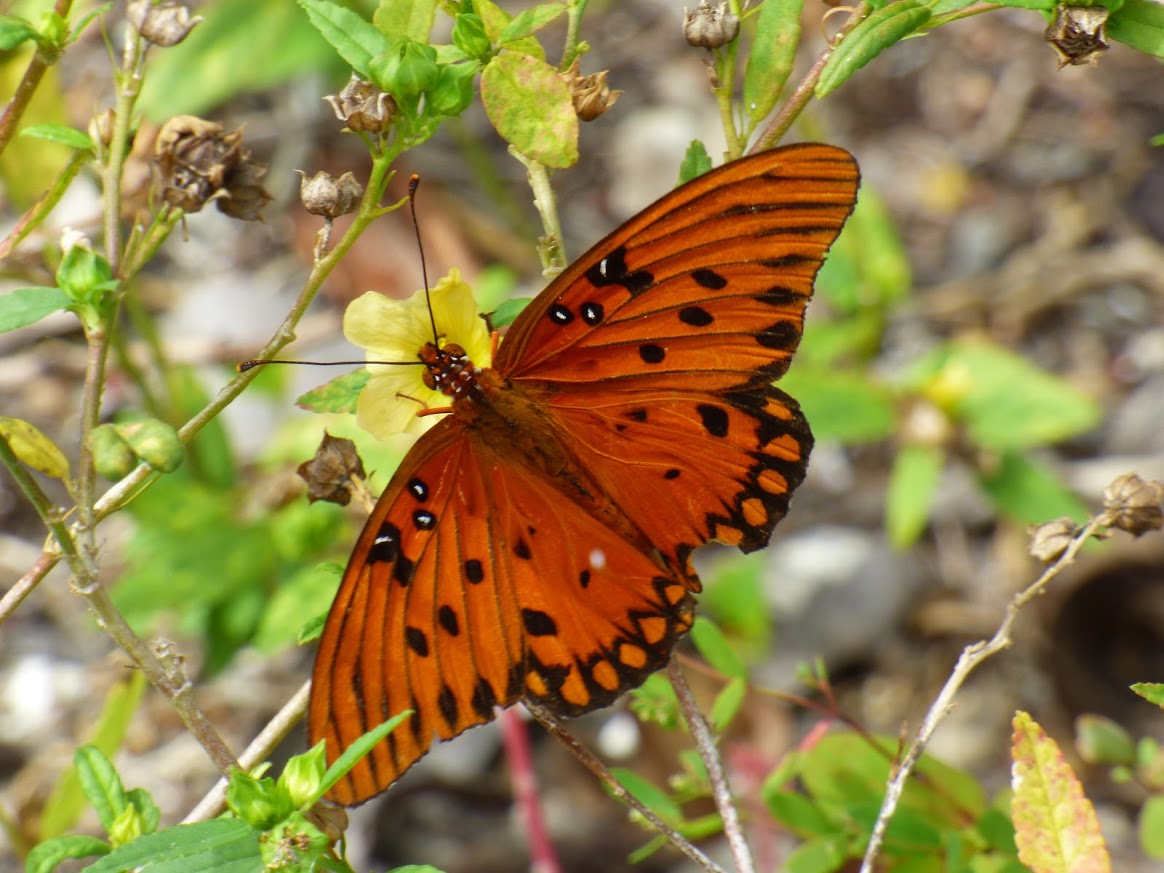
A selection of photos from Ding Darling Reserve: Florida Ivory Millipede, Snowy Egrets, Anhinga, Little Blue Heron, Roseate Spoonbills, Willet, Double-Crested Cormorant, Gulf Fritillary Butterfly, Little Blue Heron, Southern Carpenter Bee, Paper Wasp, Mangrove Buckeye Butterfly, White Ibis, Mangrove Tree Crab, Great Egret

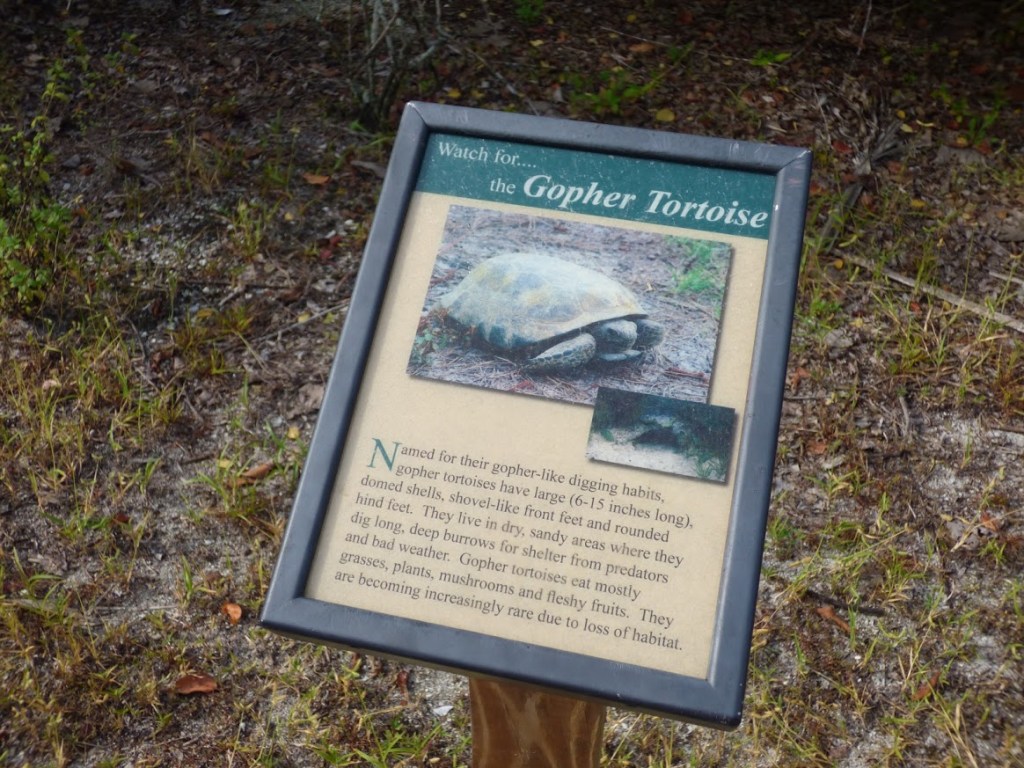
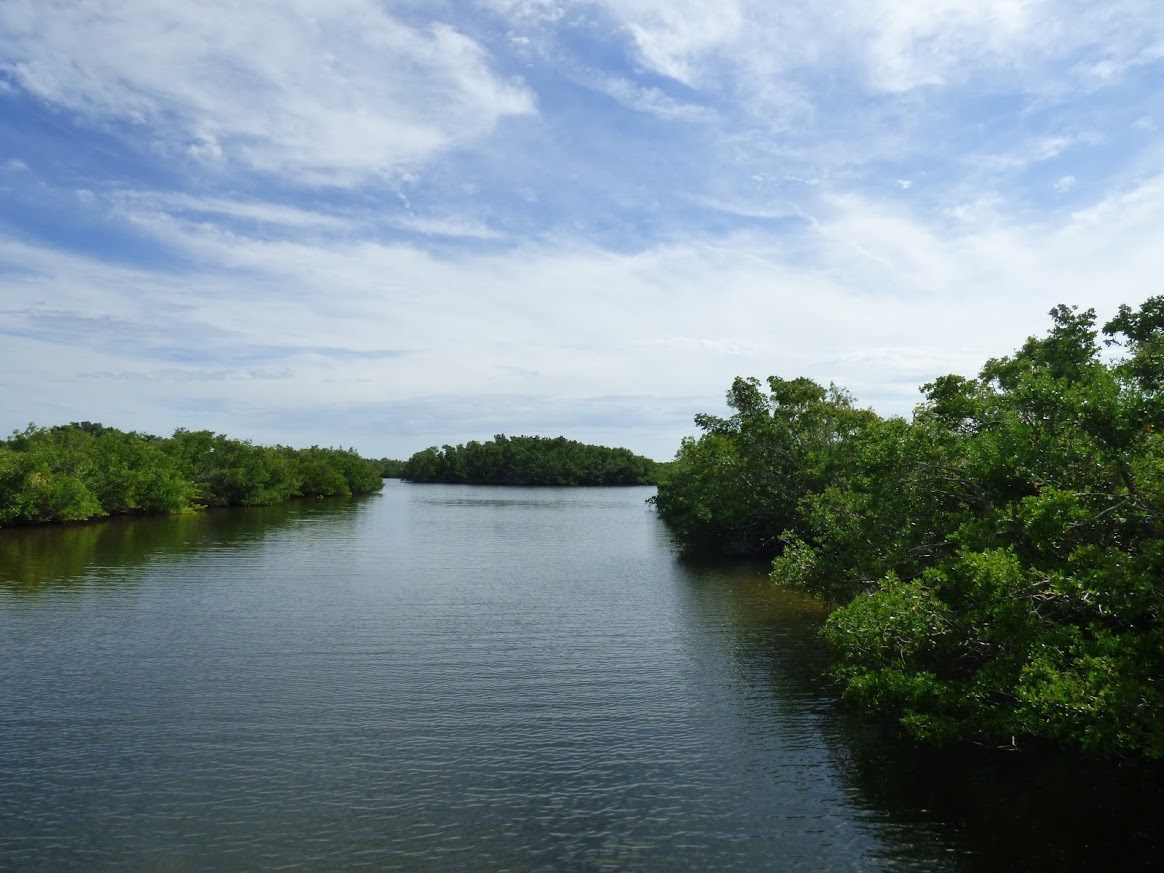
Our final reserve destination was Lovers Key, a trail that went through the mangroves all the way to the beach. There were signs placed throughout the reserve trail, describing different species of plants and animals you might see. We ate lunch right by the water, and then went swimming at the beach! Afterwards we came back to the research station, where I got some more great bird photos.

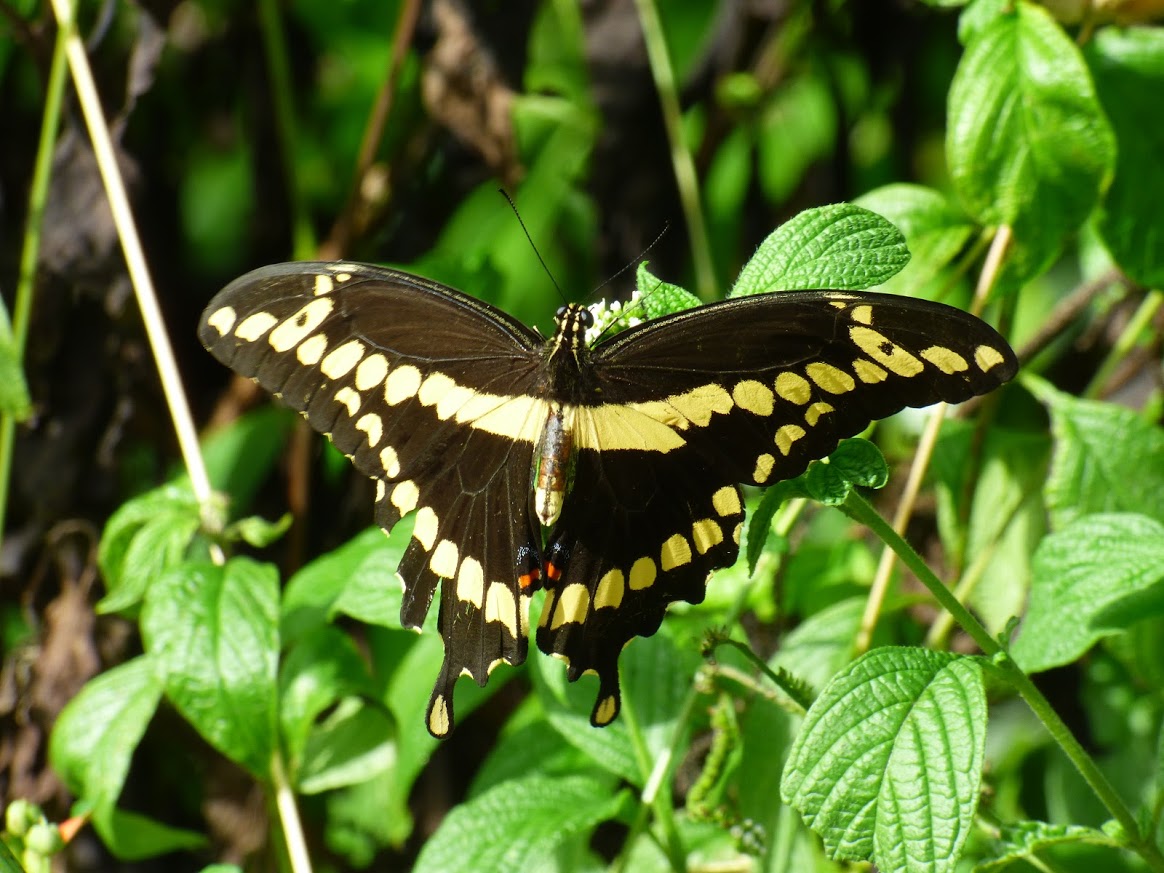
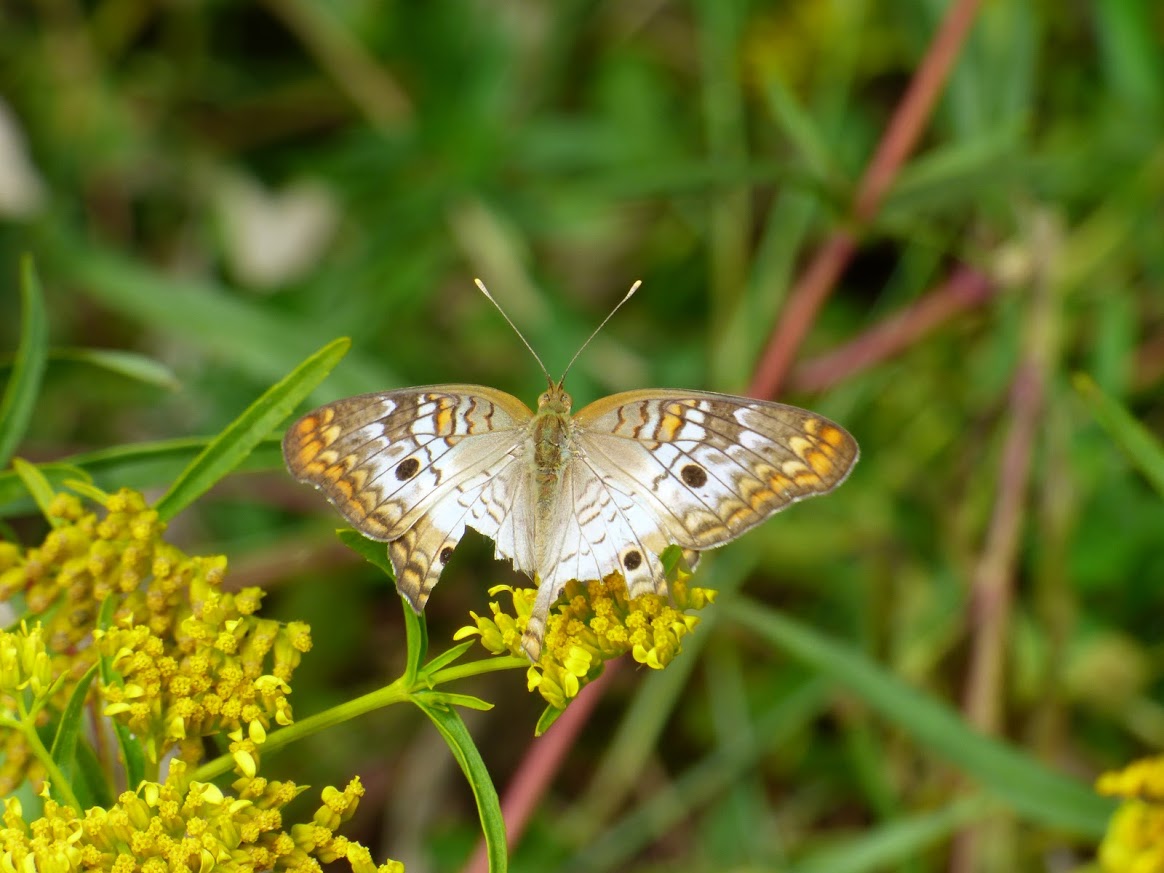
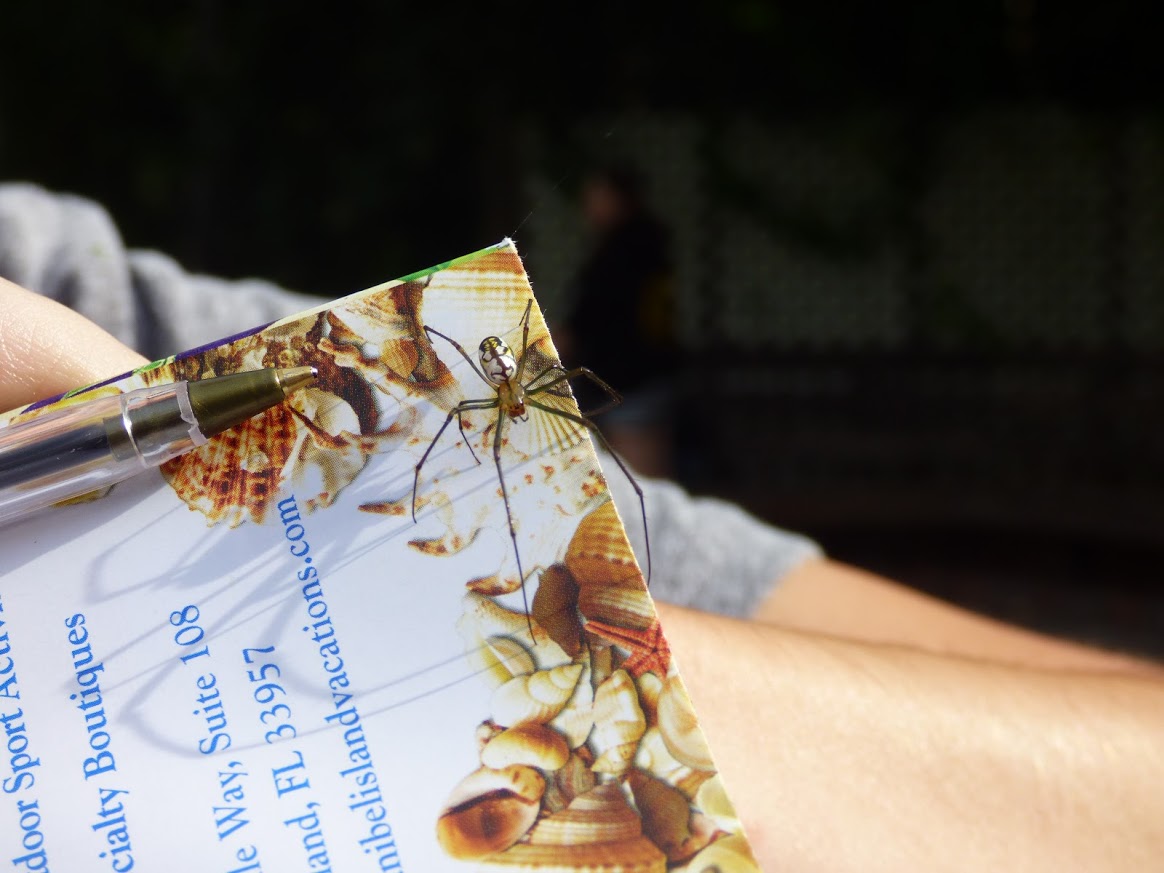
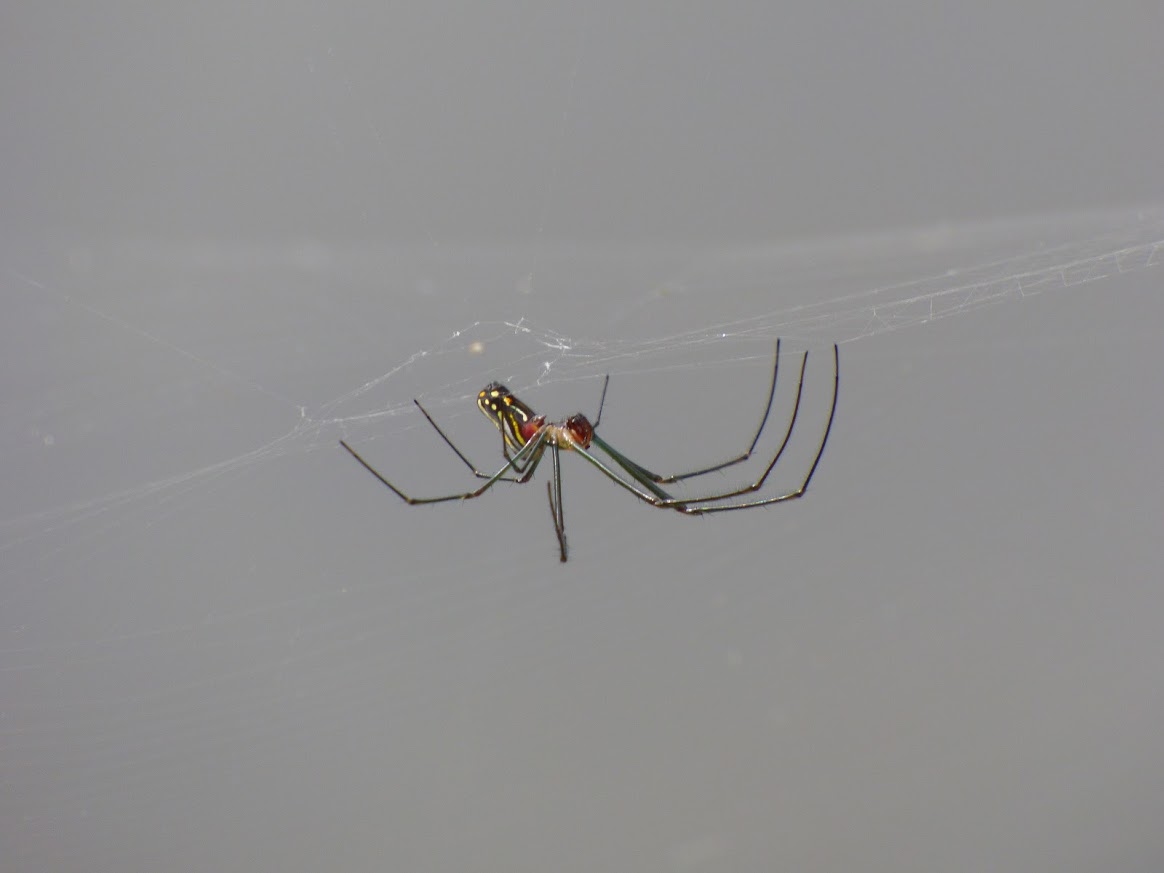
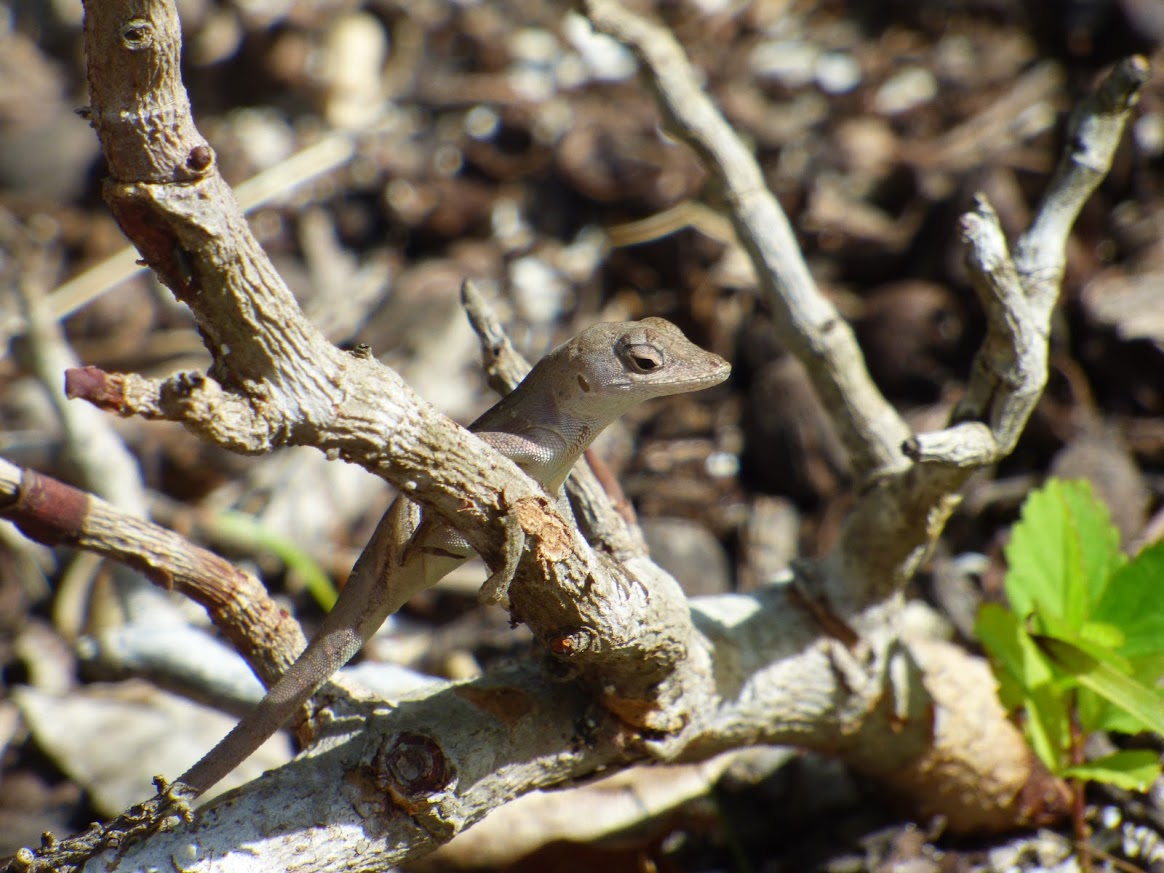
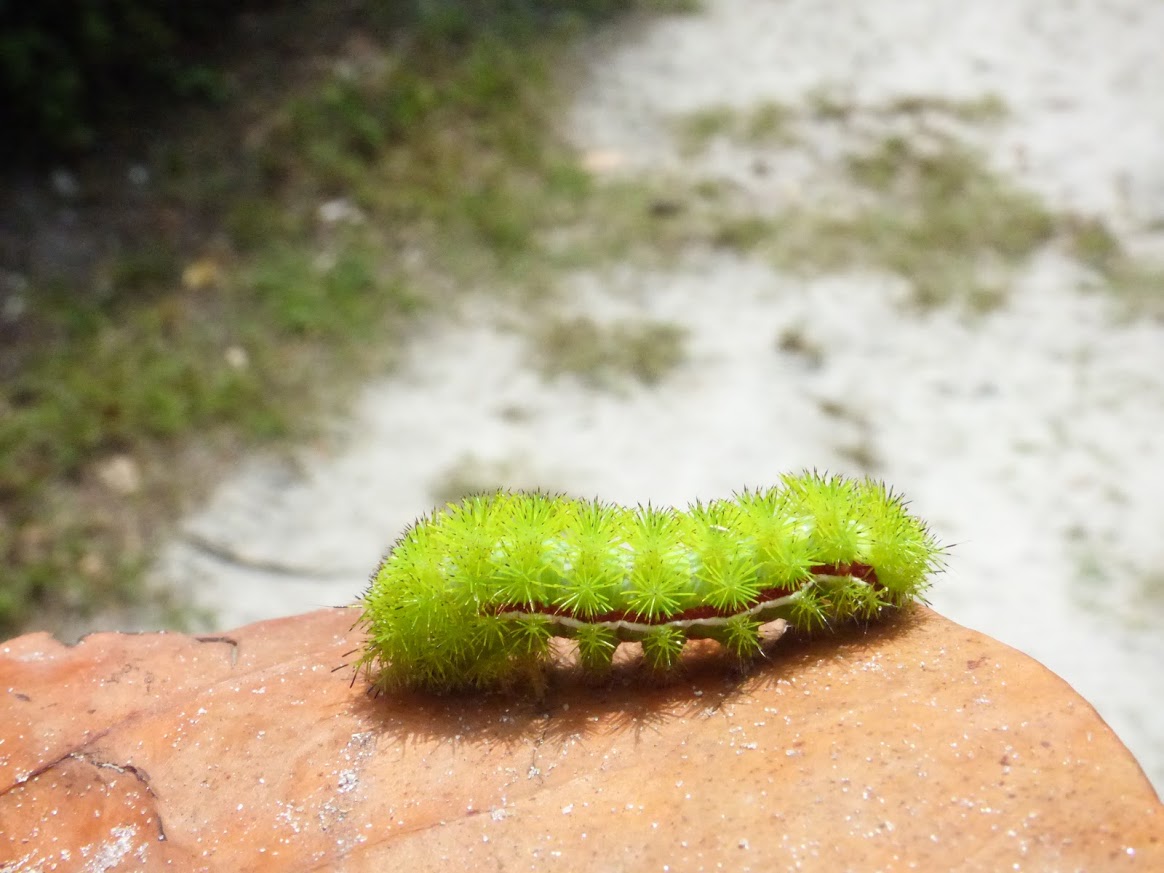
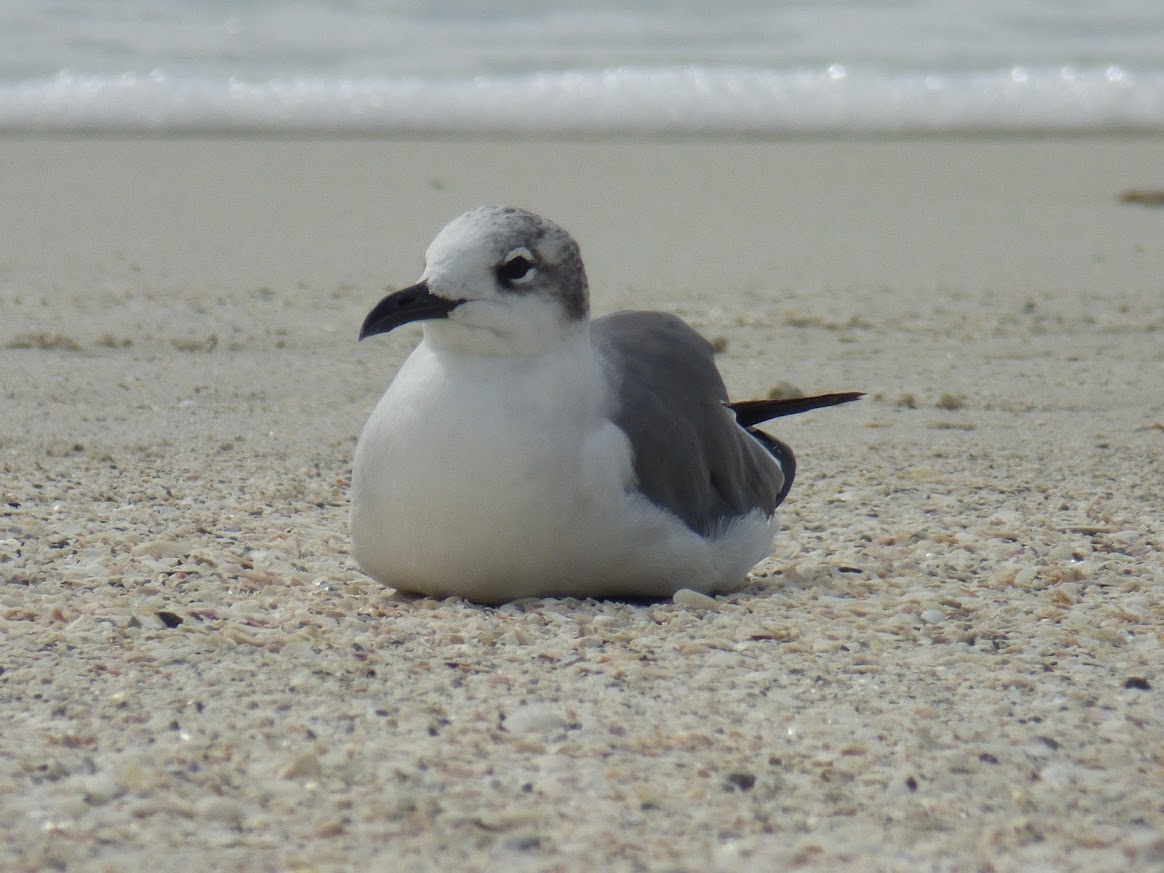
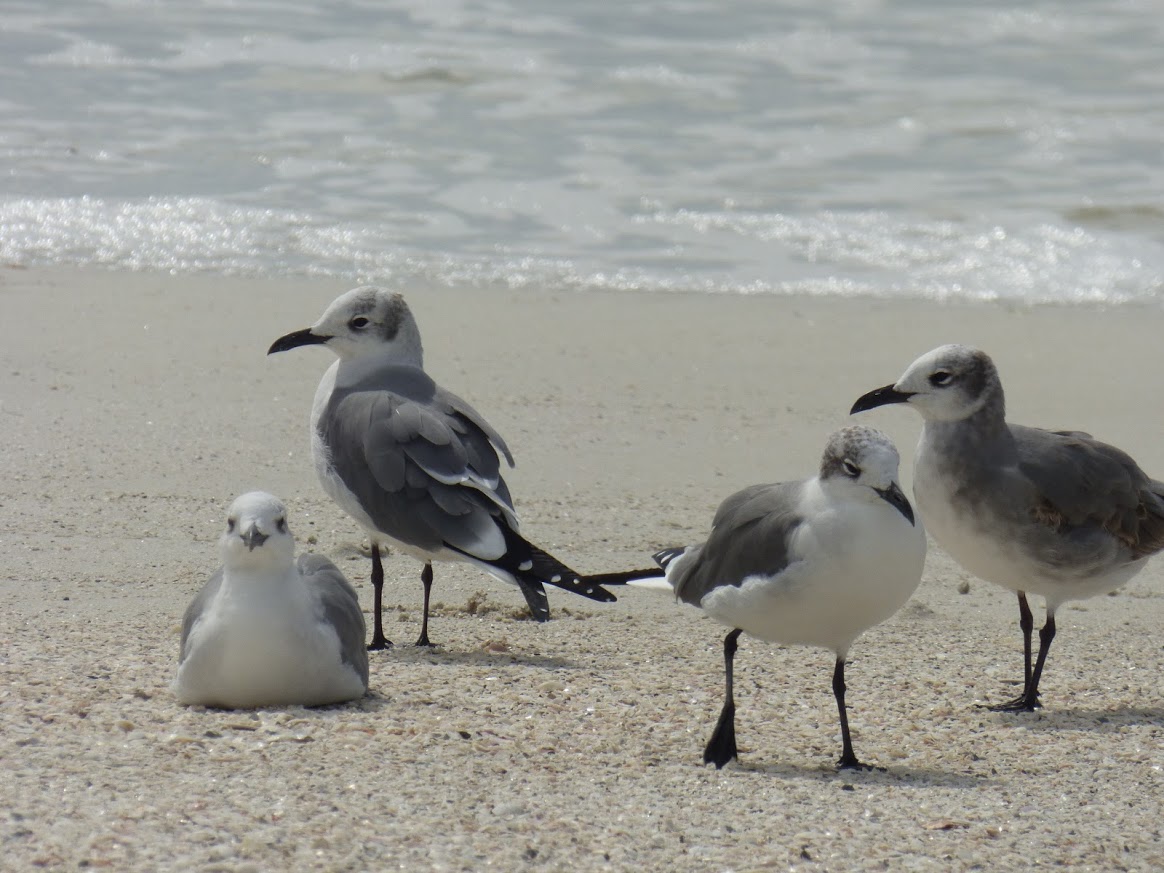
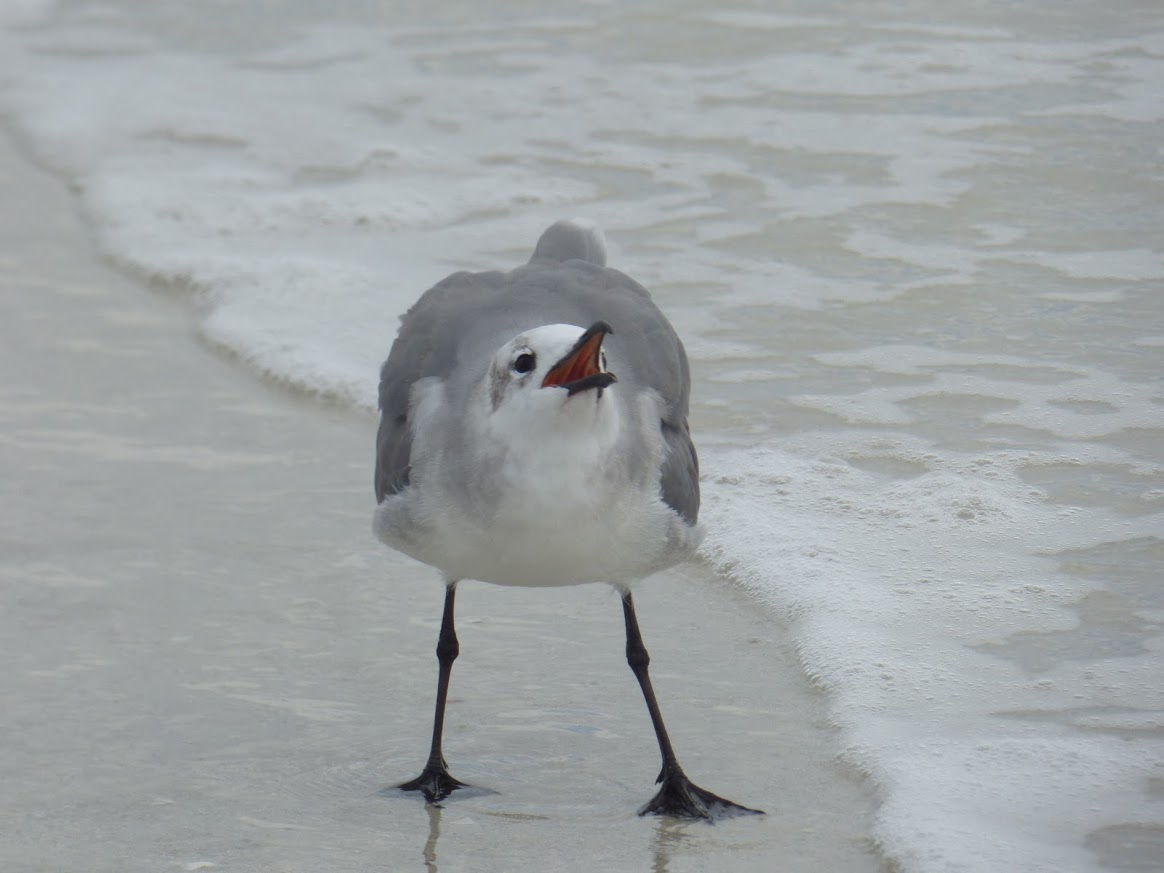
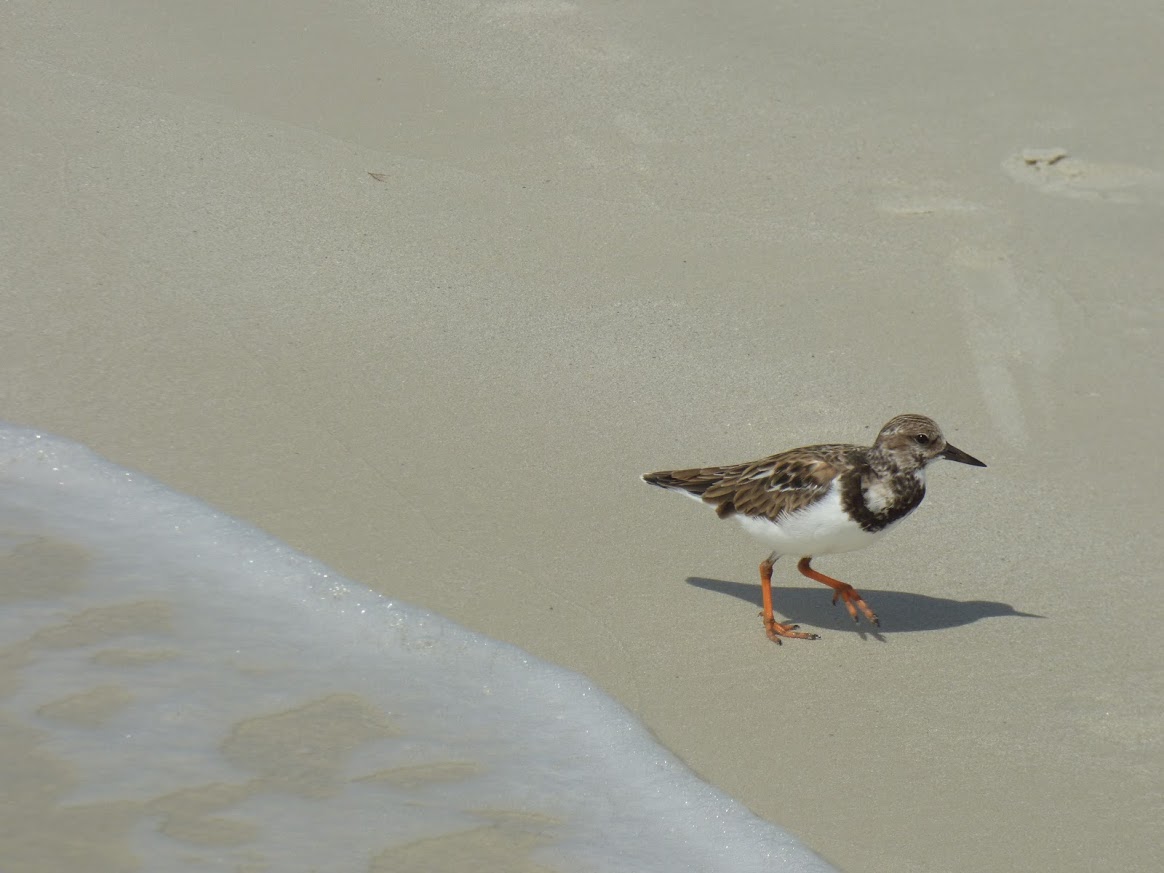
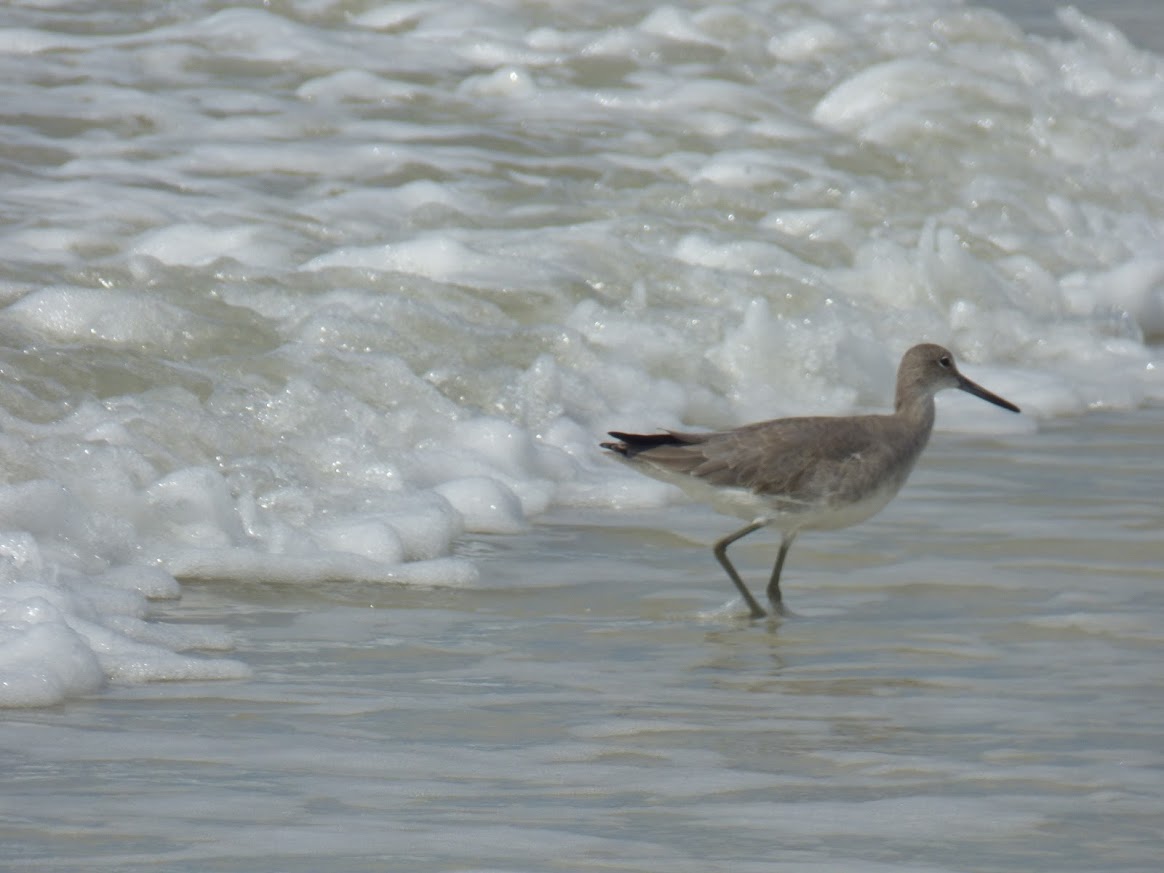
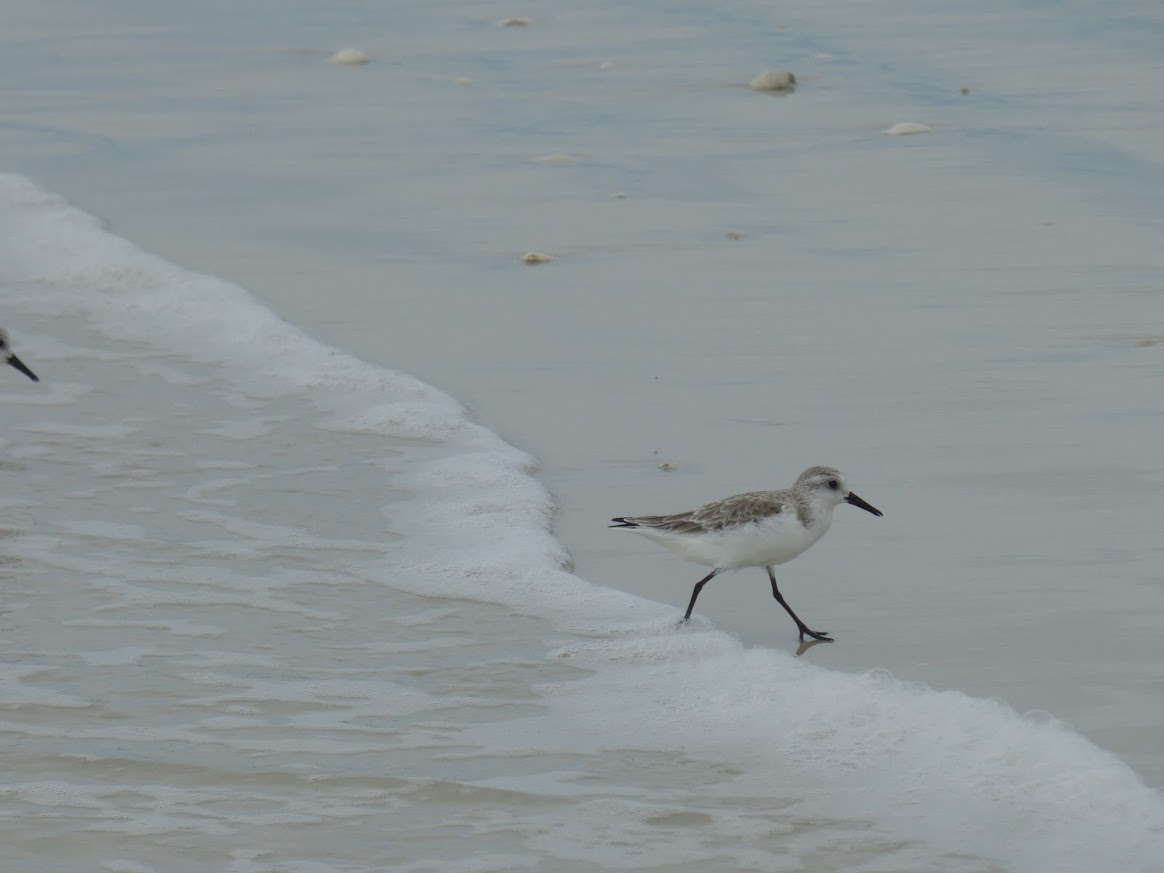
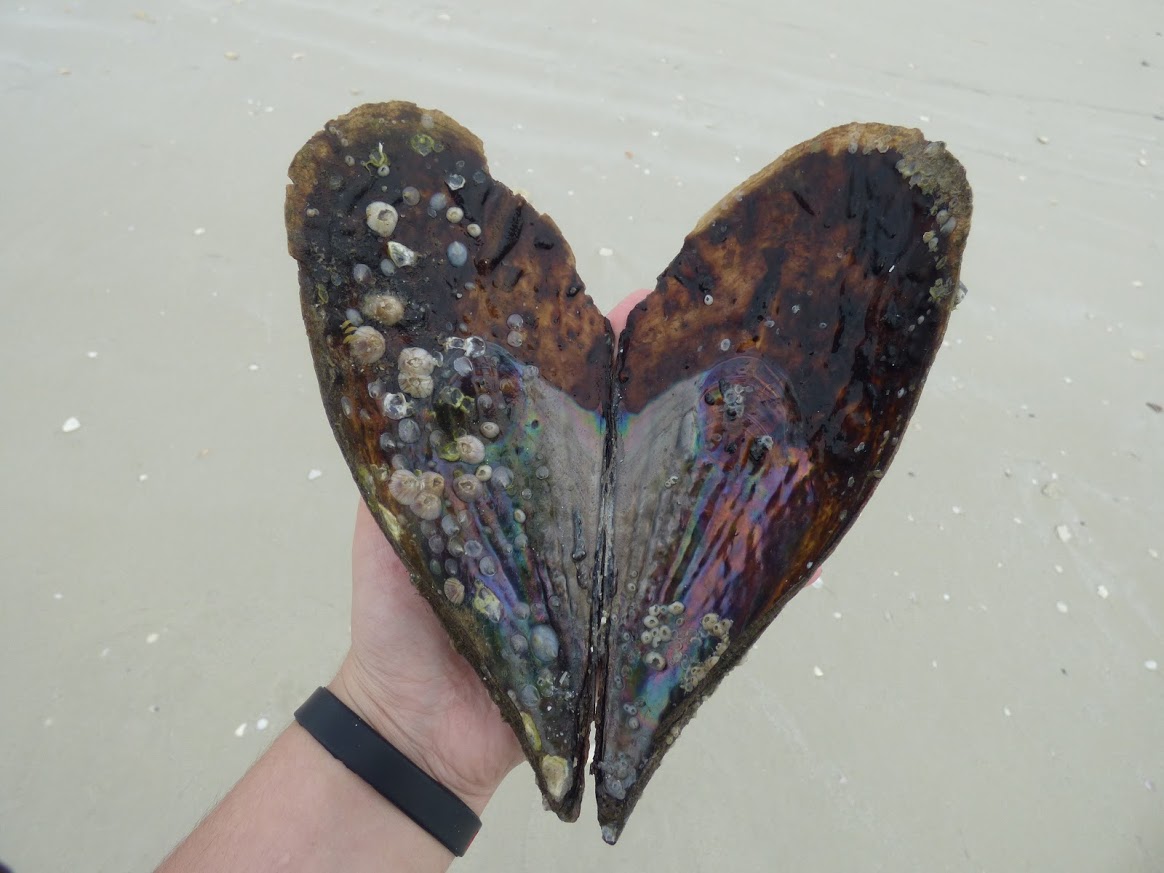
A selection of photos from Lovers Key: Eastern Giant Swallowtail Butterfly, Gulf Fritillary Butterfly, White Peacock Butterfly, Leucauge Argyra Spider, Double-Crested Cormorant, Brown Anole, Io Moth Caterpillar, Laughing Gulls, Ruddy Turnstone, Willet, Sanderling, Large Bivalve Shell, Double-Crested Cormorant, Brown Pelican

This image has an empty alt attribute; its file name is p1110046.jpg

Visiting these reserves was an incredible experience. Even now I’m still determined to go back and visit them as soon as I can! I would absolutely adore working somewhere like this, with nature literally at my doorstep. I would also love being able to educate the public about the local wildlife, so everyone can enjoy the reserves as much as I do.

Baby Baboons and Stress: What are the Impacts?

Stacy Rosenbaum is a professor from the department of Anthropology, at the University of Michigan. A little while ago I attended a talk she presented on the relationship between early adversity and adult glucocorticoids in wild baboons. In more basic terms, she was studying how the levels of stress hormones in adult baboons are impacted by stressful experiences they had as juveniles. In one study this included experiences such as:

  • Being born into a large group, increasing competition for resources
  • Losing their mother before the age of four
  • Experiencing drought in the first year of life
  • Having a sibling born less than and year and a half after them, increasing competition for maternal attention
  • Being born to a low ranking mother
  • Being born to a mother who was socially isolated

Baboons who experienced three or more of these adversities tended to live an average of eleven years less! This would result in much less offspring, which isn’t ideal evolutionarily. Social skills were also affected by these experiences, as these harsh environments increases suspicion and mistrust of others. This would also increase stress, and thus also increase glucocorticoid levels.

This study collected over 9000 separate faecal samples to test them for cortisol levels, so that the results would not be affected by interacting with the baboons. They also only studied female baboons, as they stay in the tribe for life. This means they can see the affects their childhood has on their adulthood, unlike with males, who leave the tribe before reaching maturity.

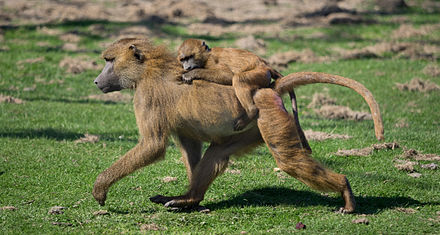
A female and juvenile Guinea Baboon at Port Lympne Wild Animal Park
(Source: William Warby)

Baboons with higher than average glucocorticoid levels have a 38% higher chance of dying, compared to baboons with lower than average glucocorticoid levels. This results in an average life shortening of about 4 years, which is a lot when their average life expectancy is 20.

This talk was particularly interesting, as studies have shown that these effects can be seen in humans, too. I myself have had my cortisol levels tested, to see if the steroids I was given as a premature baby had left any lasting effects. Thankfully they didn’t, but it was interesting to see the parallels between my own experiences and this talk.

The idea of going out into the wild and observing animal behaviour sounds amazing! It would be great to study things that can directly relate to helping both animals and people. Though academic work appeals a little less to me compared to things like animal handling and animal photography, it’s still something I want to consider.
Handling Events and More: The Benefits of Hands-On Experiences With Animals

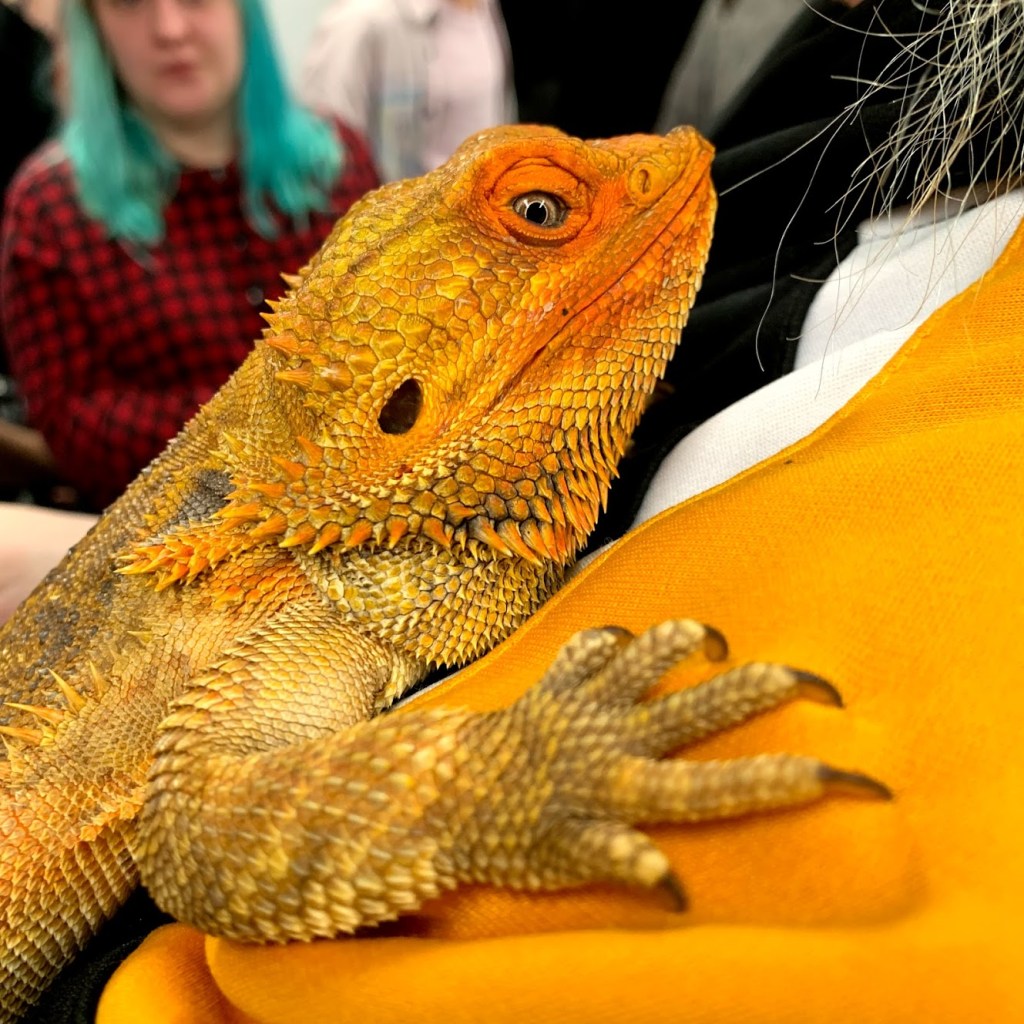
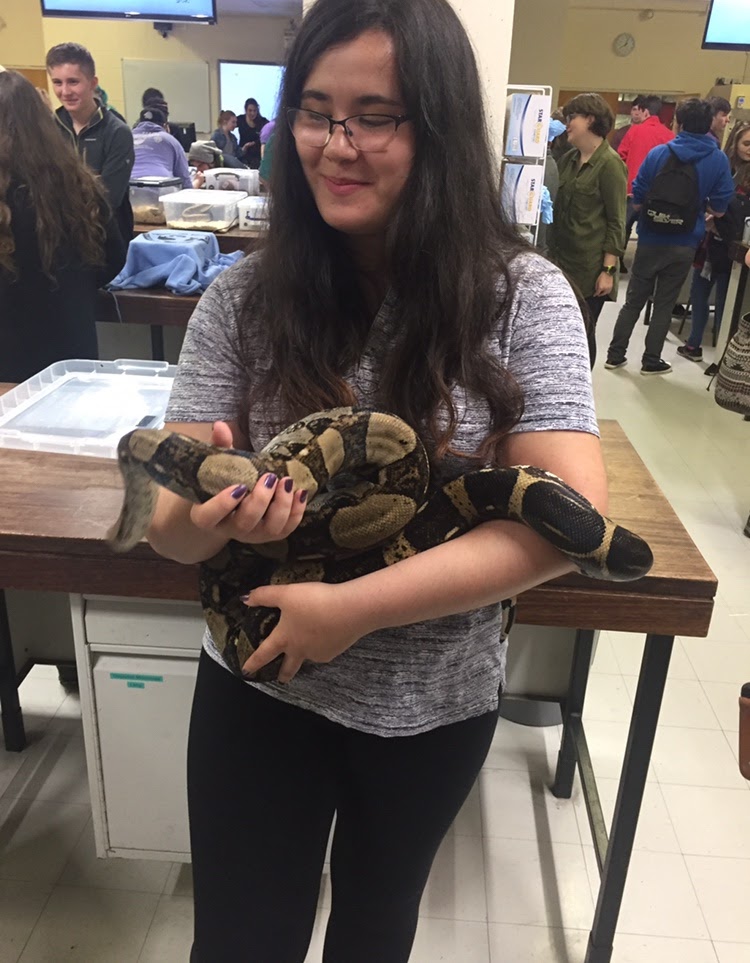
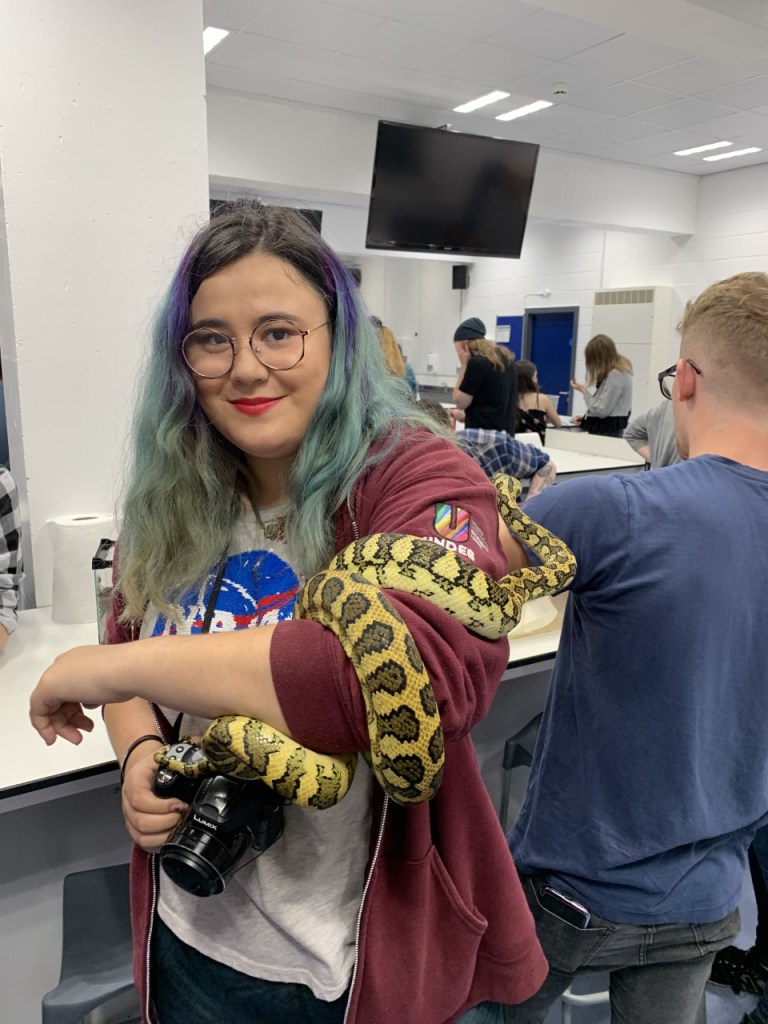
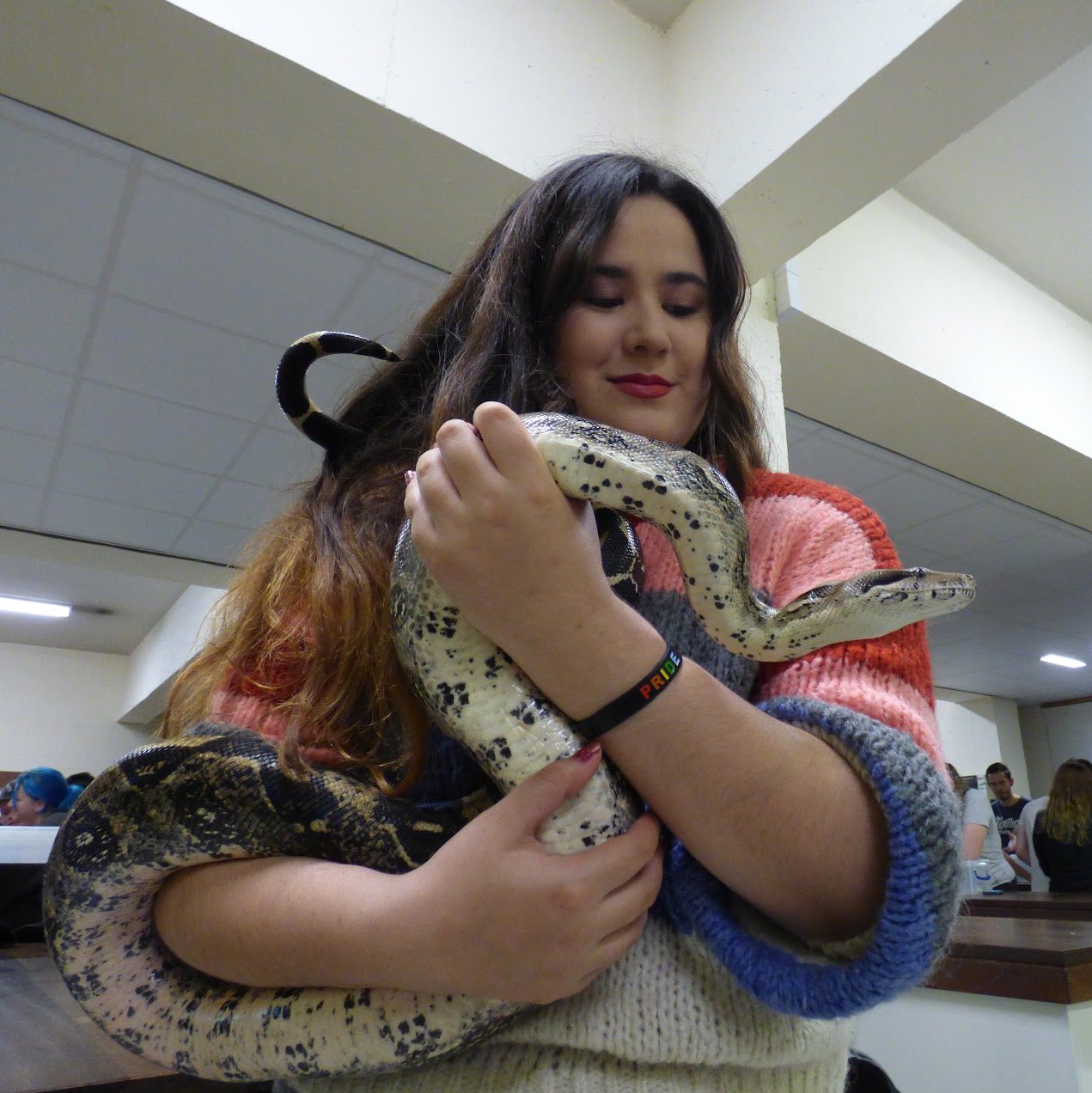
A definite highlight of my time at university has been various animal handling events, and trips organised by societies I was part of. Getting the opportunity to see, handle and photograph such a variety of animals is a rare treat, with most public places not offering this because of health and safety. It also provides a chance to meet other people with similar interests to you, and discuss their experiences with the exotic pet industry. (Photos by Natasha Lee)

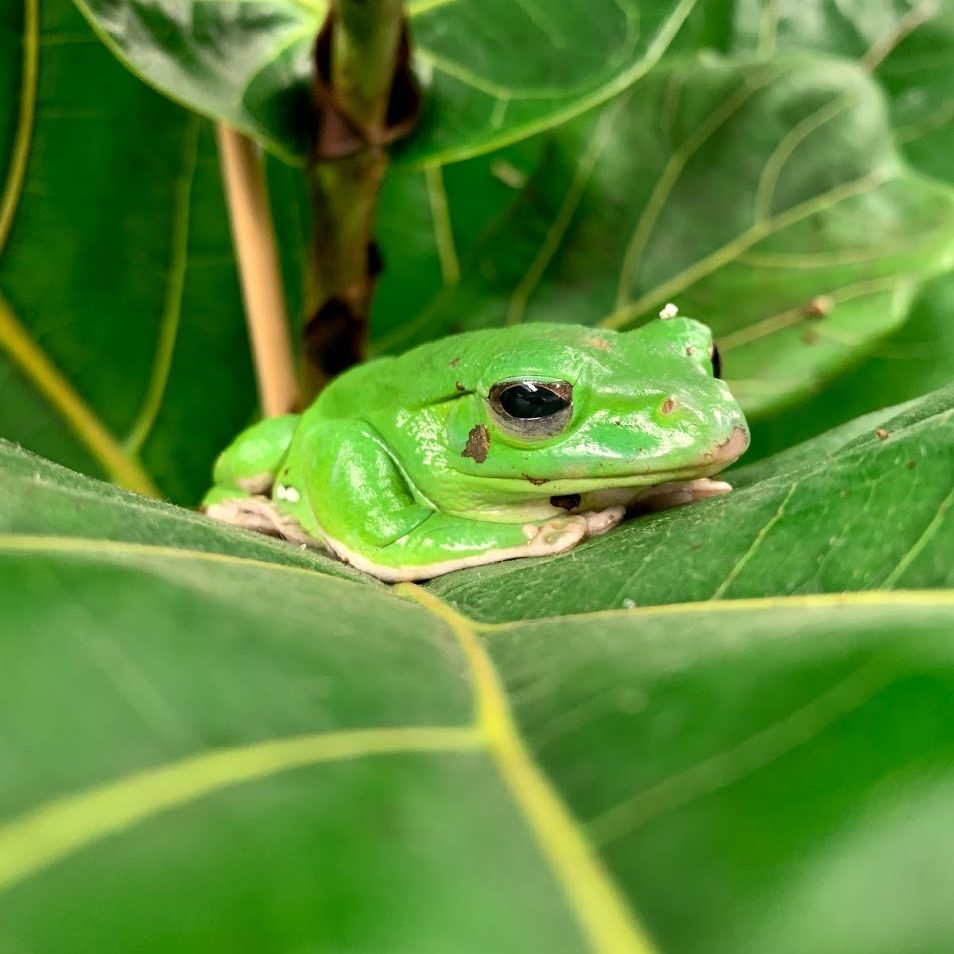
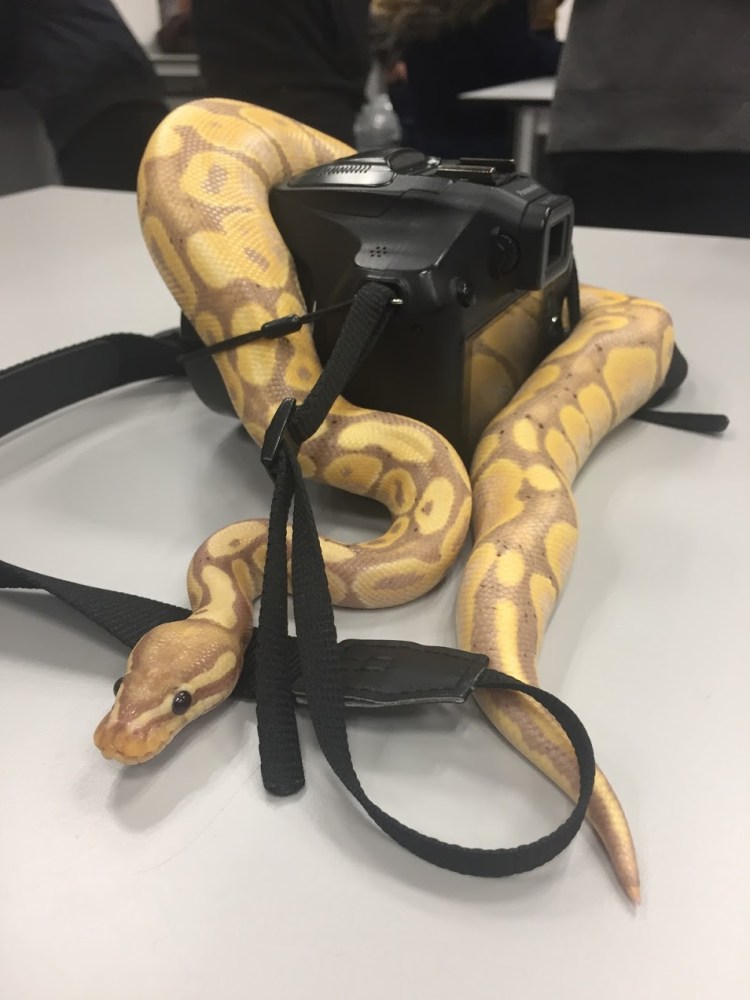
Bangor University’s Herpetological Society holds handling events every year, where students can bring in their pets and showcase them to others. You’ll see a lot of snakes, lizards and geckos, but also some less common companions. Giant snails, frogs, tarantulas, and invertebrates of all kinds can be seen at these events! It’s a great opportunity to talk to people knowledgeable about the pet breeding industry, or who even breed and sell reptiles themselves.
I generally assumed that people doing a zoological degree would be against any sort of commercial animal breeding, especially when it comes to more exotic animals. However, everyone I spoke to here put much more emphasis on safe and responsible reptile breeding. Lots of research is done to make sure purchases are only made from reputable breeders, with large online herpetology communities helping to educate and inform on the best ways to care for these animals.

While researching different websites of reptile sellers in the UK, I came across one ran by the original founder of Bangor University HerpSoc! The staff page showcases the various qualifications held by different staff members, which made me realise that a business career like this is a viable option after university. Being a part of or running my own business was something I hadn’t considered before, but is an idea that appeals to me. Such a hands on job would be engaging and full of variety, while also giving a chance to educate the wider public about these less common pets.

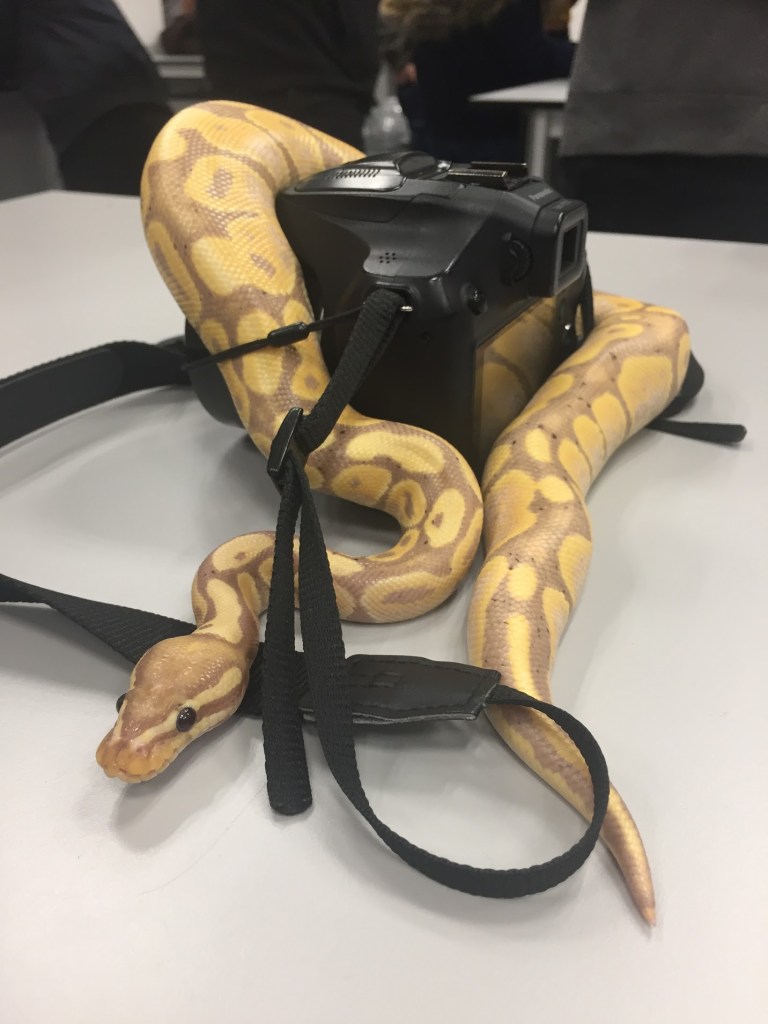
A timeline of snake selfies: Herpetological Society handling events from 2017, 2018, and 2019

Photo by Osian Shirley, 2017
Photo by Lydia Martin, 2018
Photo by Osian Shirley, 2019

A job like this often requires personal experience with either owning or caring for reptiles and other exotic pets. Chinese culture considers snakes to be bad luck, so while I personally love them, I haven’t had the opportunity to own one yet since I live with my parents. Regardless of whether this is a career path I decide to choose or not, I would love to own a snake one day!

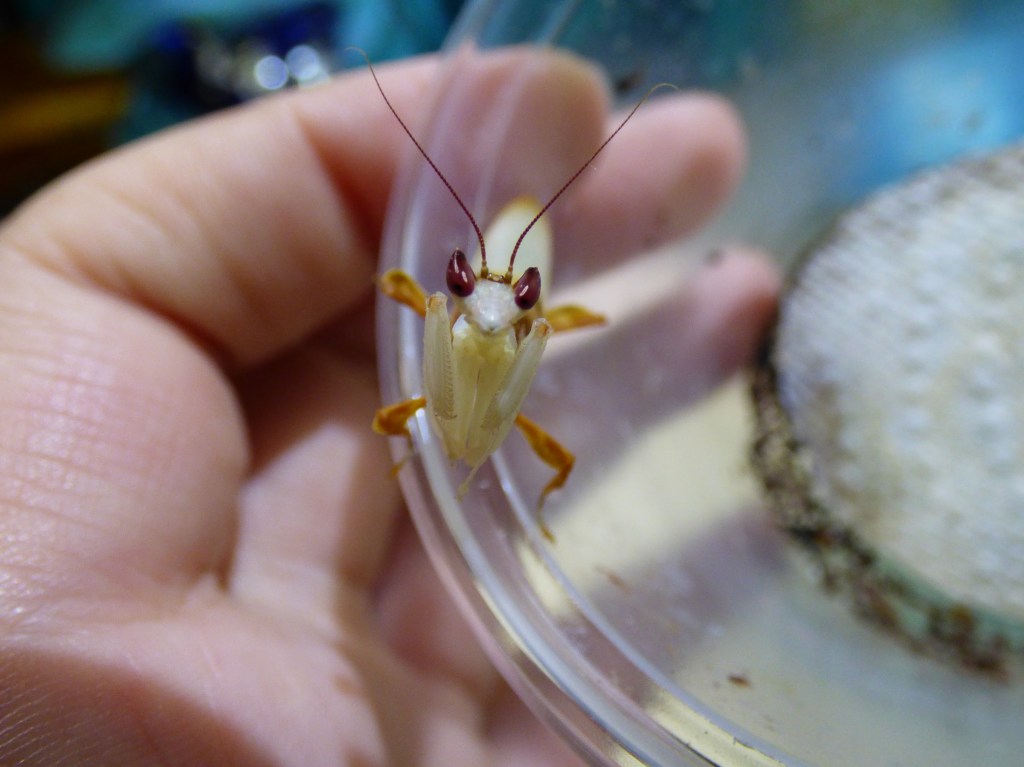
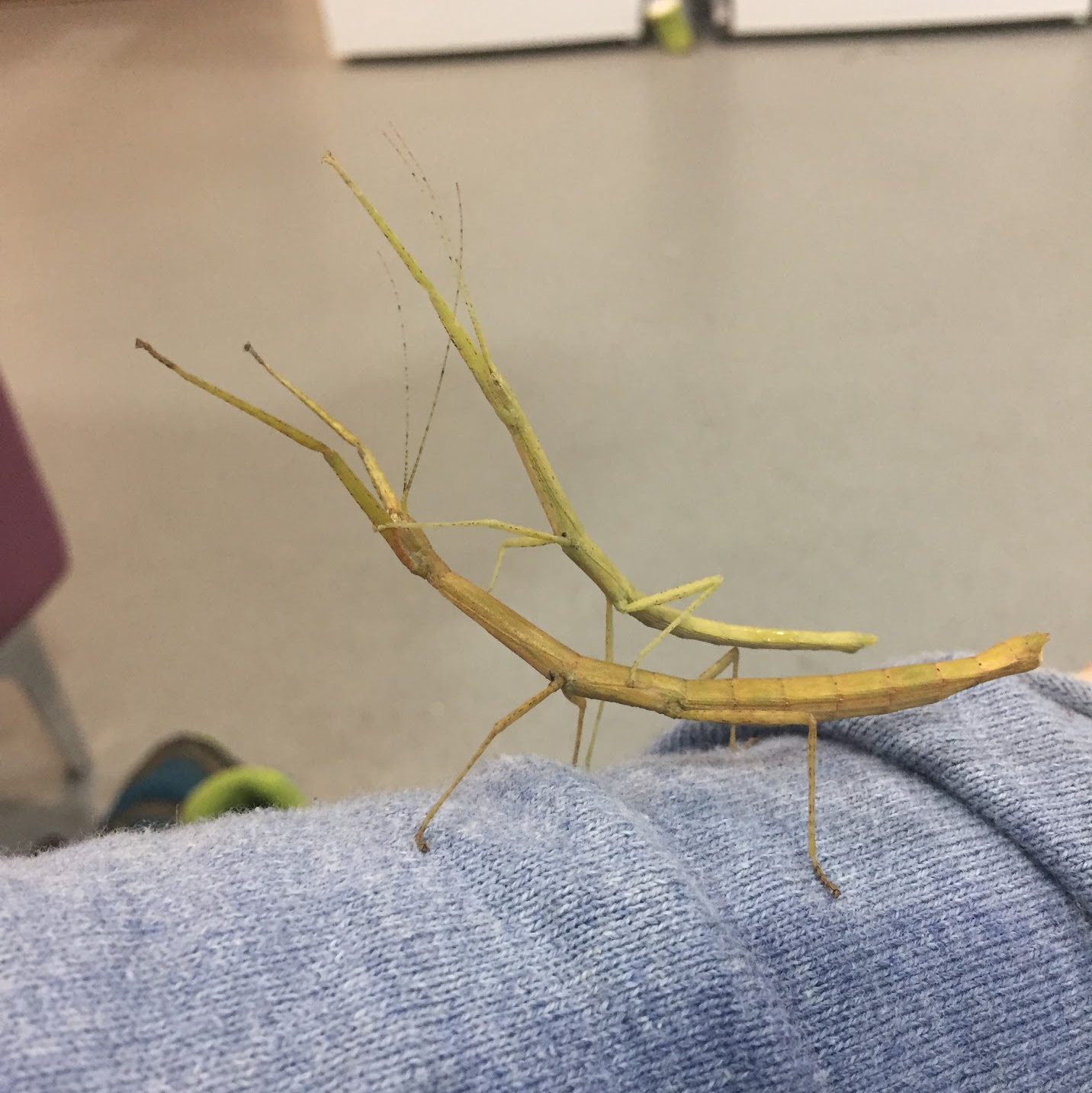
I have experience owning stick insects and orchid mantids, so maybe I could create or work for one of the invertebrate selling companies I saw when I attended the British Tarantula Show in 2018. Travelling and attending shows like this is a lot of fun, so I feel like I would really enjoy a job that involves these aspects.

Animal handling and educating the public about invertebrates (or any animal, for that matter) would also be a great perk! Definitely a job I would love to have in the future, after owning some more animals of my own!

My First Career Influencing Experience at Bangor University

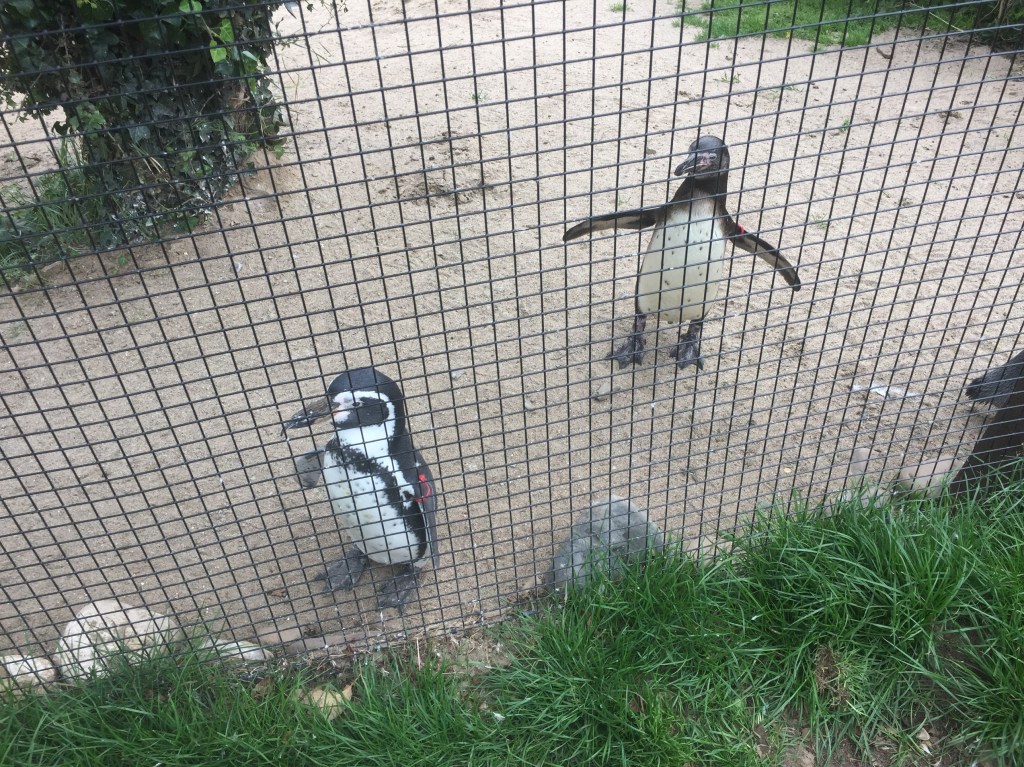
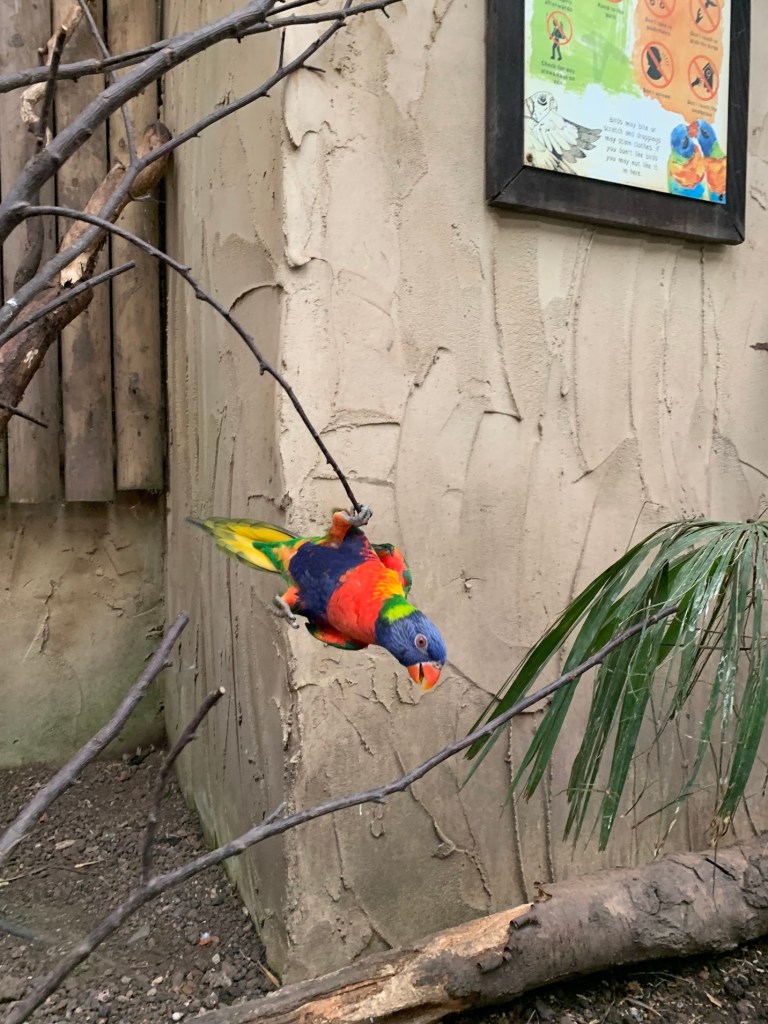
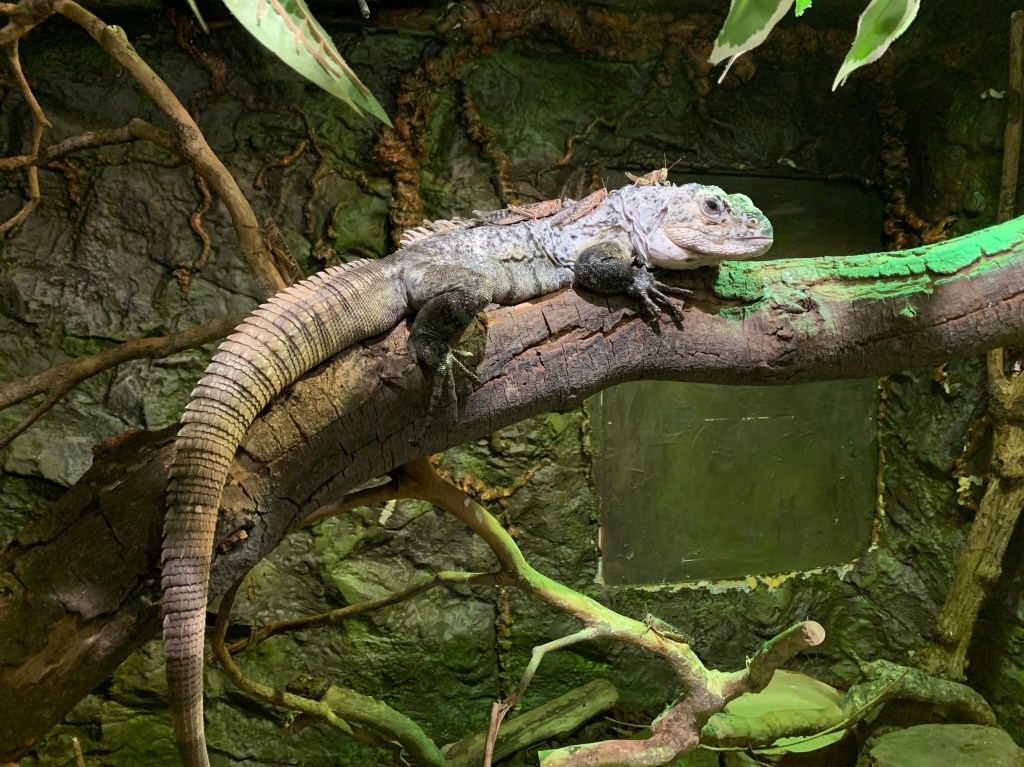
During the first week of university, all of the biosciences first years were taken on some trips by the peer guides. One of these was an outing to the Welsh Mountain Zoo, somewhere I hadn’t visited before. Going somewhere like this with like-minded peers was a lot of fun! We were all excited and talked about which things we were excited to see. Different students had different favourite animals, so there was a lot to learn just from chatting with each-other. We attended a couple of different talks, which I’ll elaborate on later in this post.

(All photos by Natasha Lee)

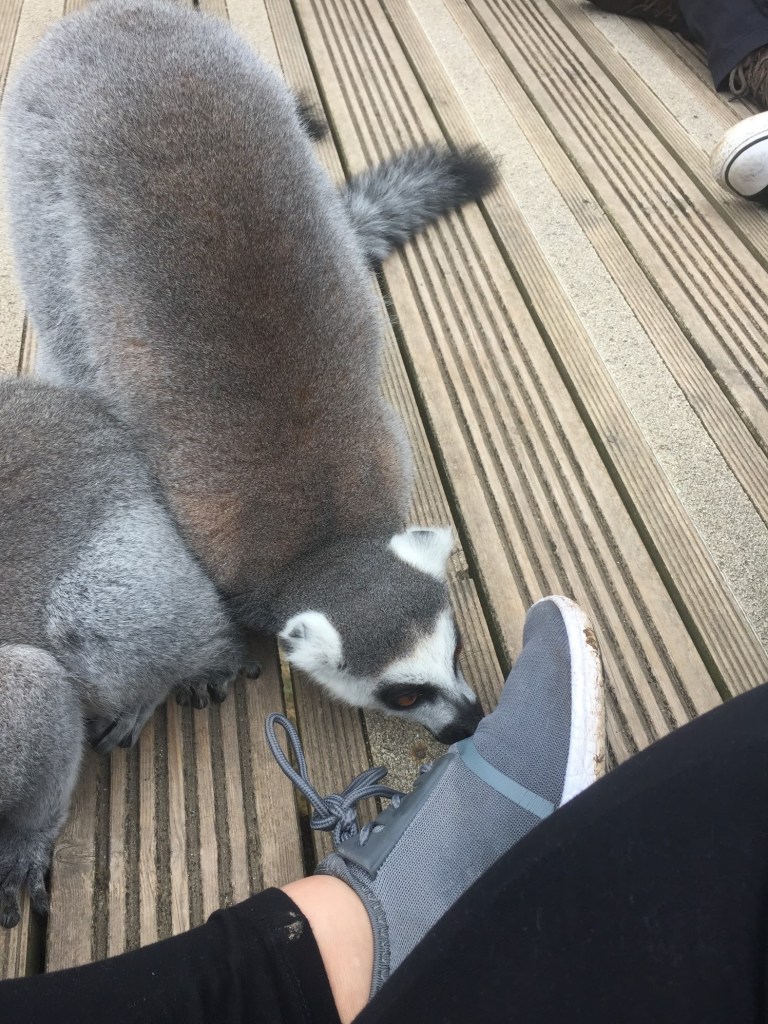
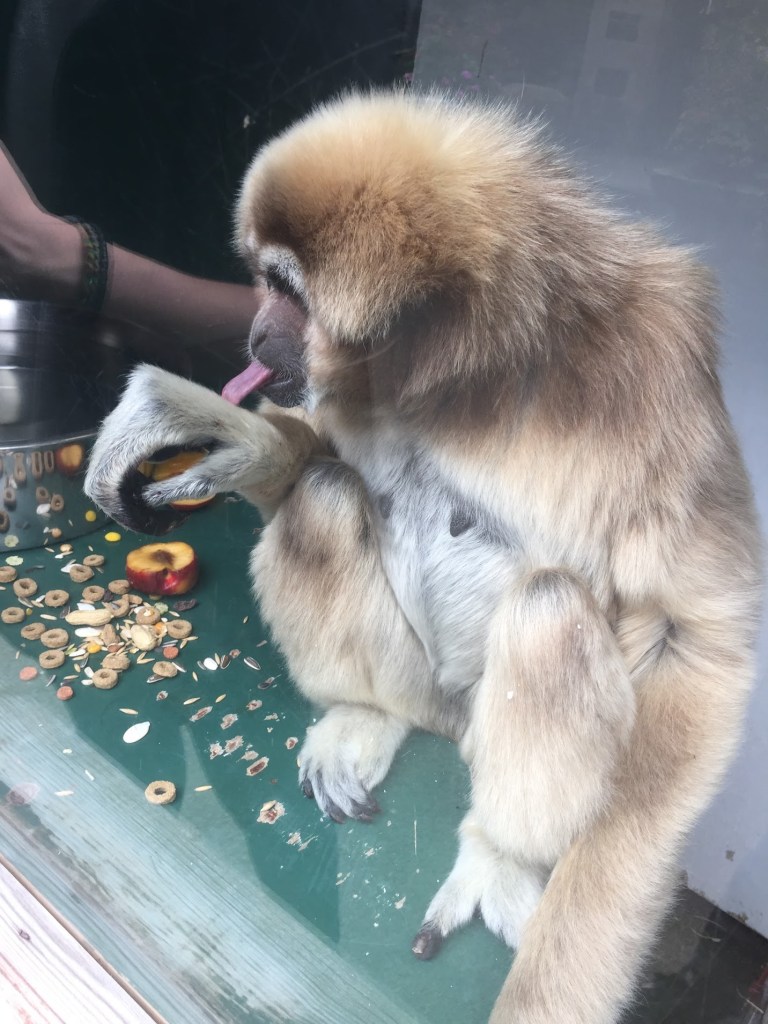
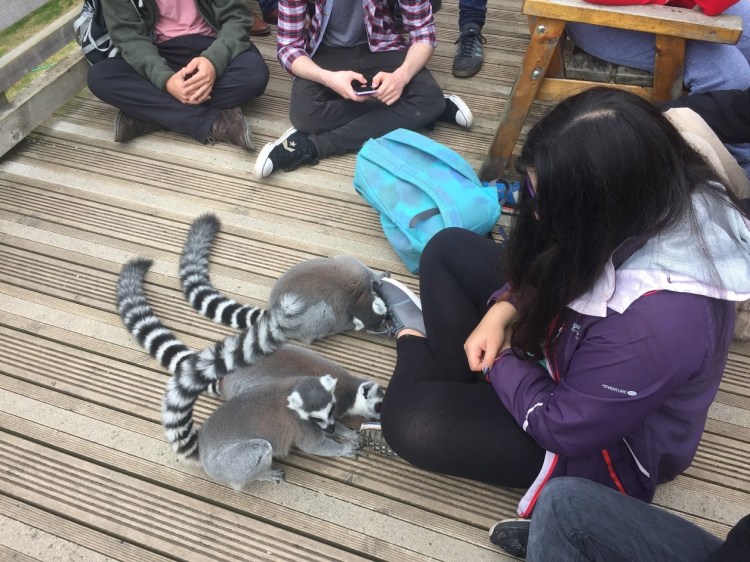
My favourite thing about this trip was the lemur enclosure. It allows you to enter the enclosure with the lemurs, and I’d never seen something like this before! The lemurs mostly keep their distance, but I got very lucky, as they had a very strong interest in my shoes (see picture above)! Being so close to the lemurs was exciting, and made me realise just how much I would enjoy working in a job that frequently gave me this kind of access and proximity to animals of all kinds. We met some of the zoo staff when attending talks. Some talks, like the primate one, focused on educating about animal behaviour and how they provide enrichment for captive animals.

However, the main talk I remember was about the snow leopard enclosure. The enclosure hadn’t been updated in several decades, leaving the leopards in subpar conditions. The entire thing was outdoors with no temperature control, and only hard concrete surfaces for the leopards to lie on. The zookeeper mentioned they were currently fundraising to improve the enclosure, but that getting enough money was taking a long time.

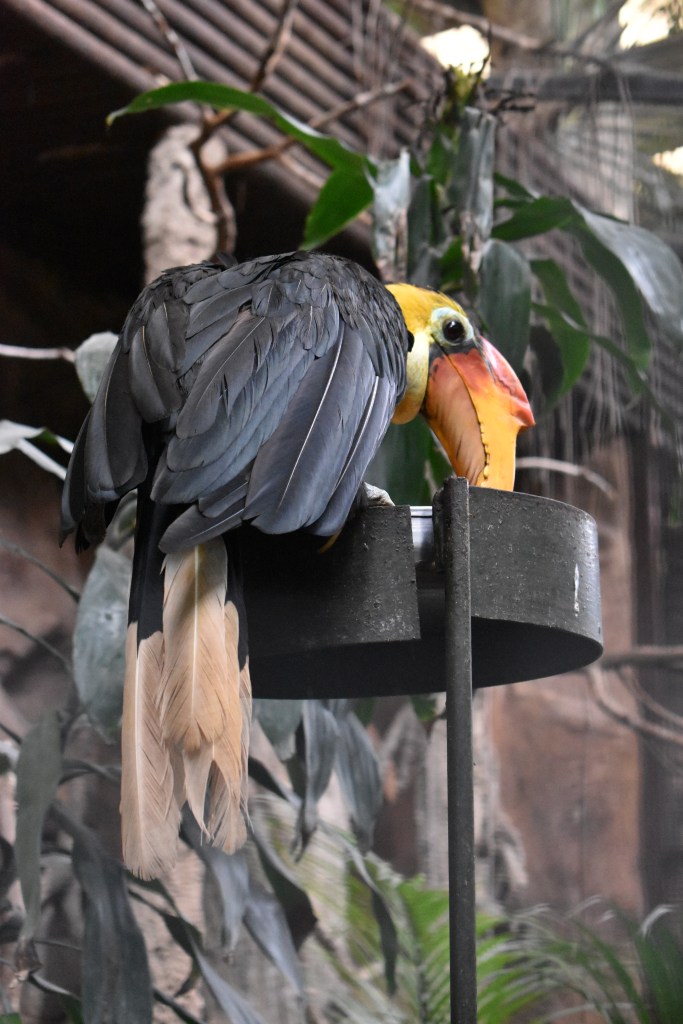
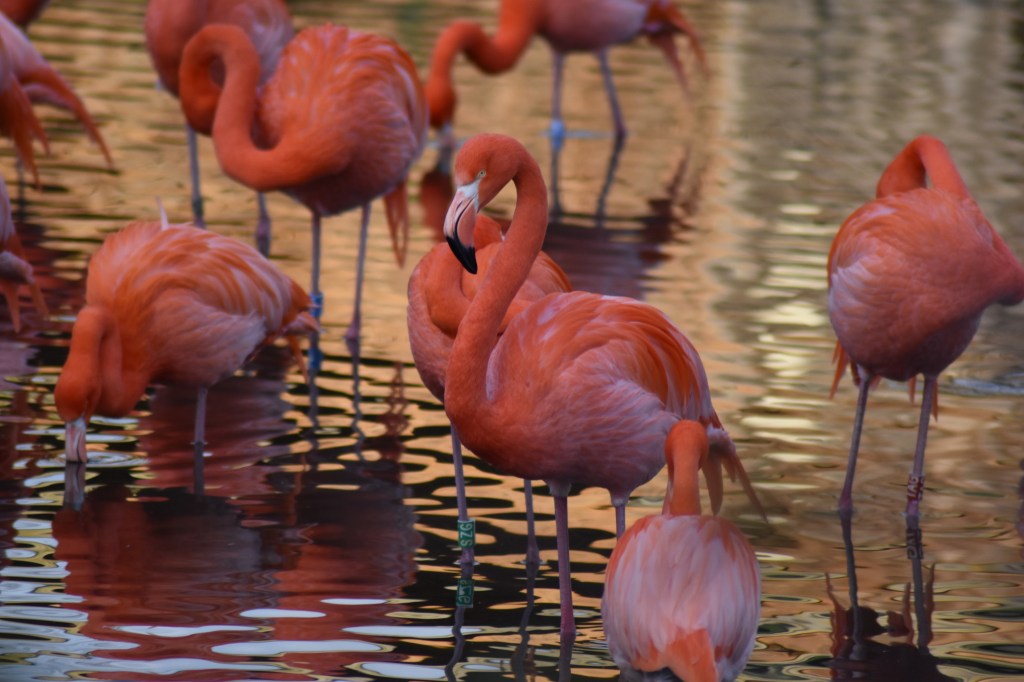
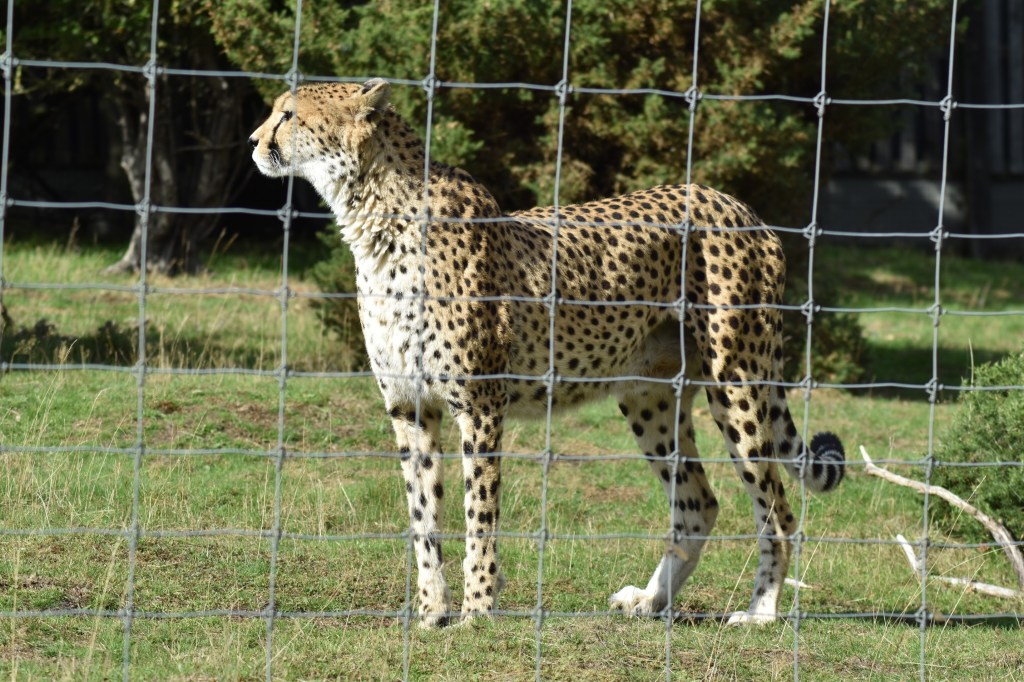
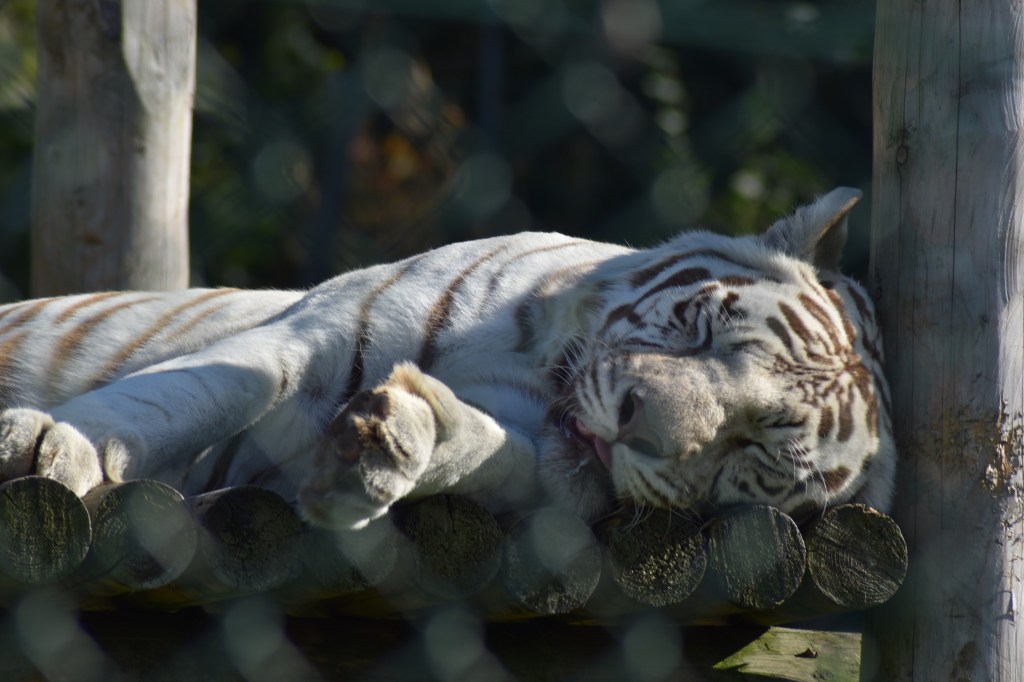
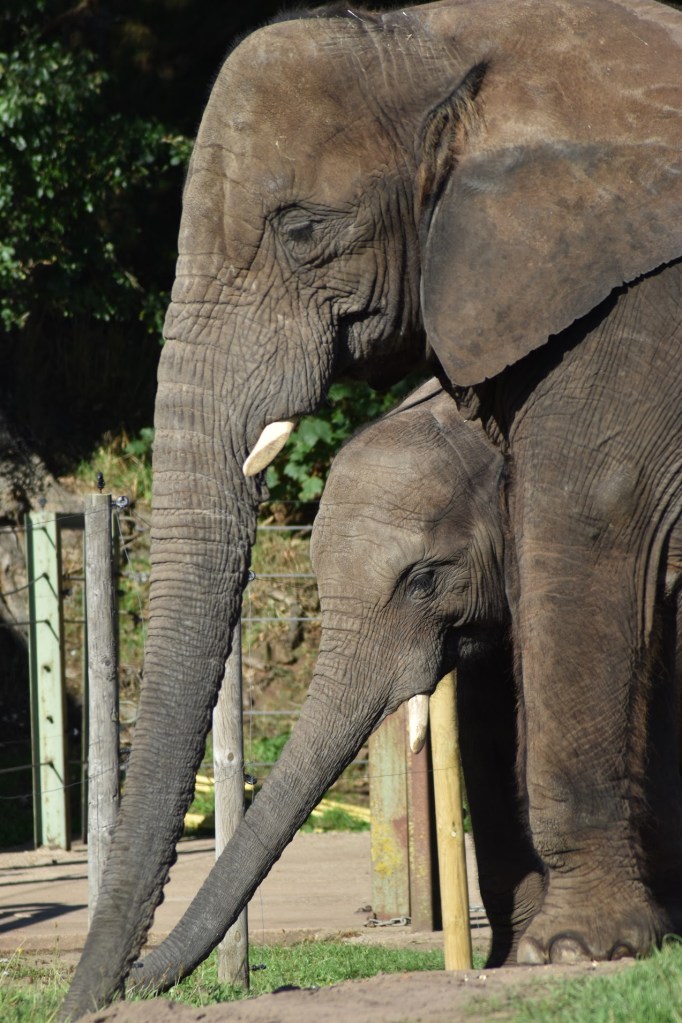
Thankfully, the snow leopard enclosure has been updated since I last visited. Seeing that enclosure, as well as other less-than-ideal ones, surprised me a lot. I hadn’t visited a zoo before that had struggled this much to provide adequate housing and enrichment for some of their animals. Chester Zoo (see photos below) has large enclosures tailored to their animal’s needs, and they seem to have plenty of funding to maintain them.

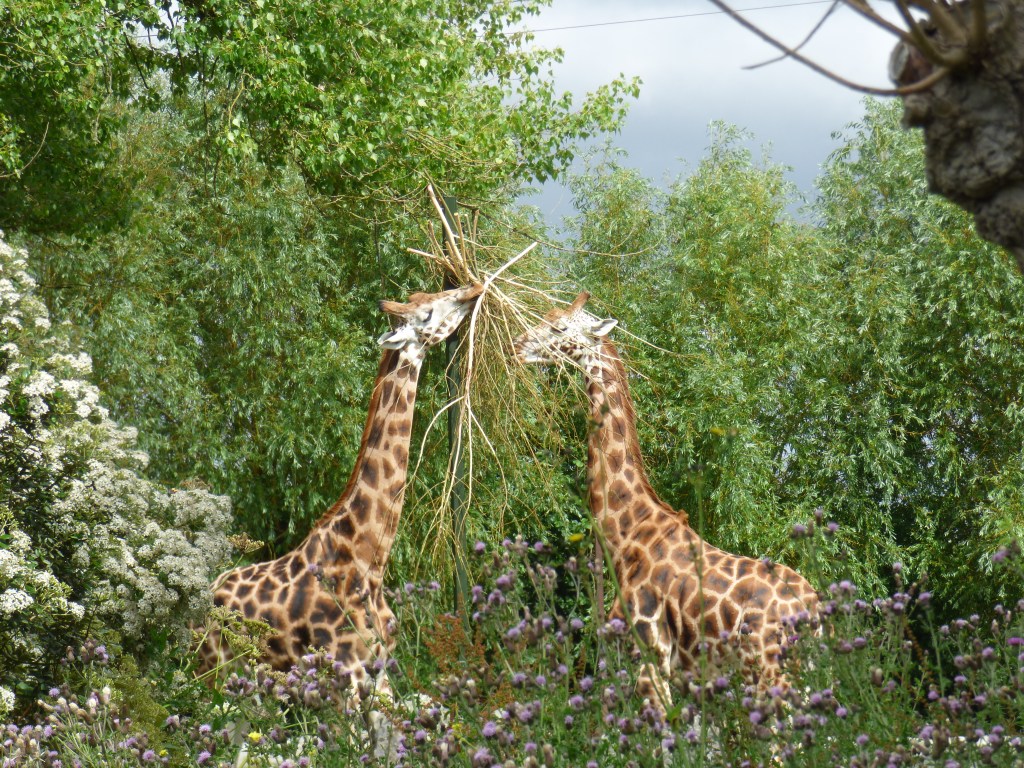
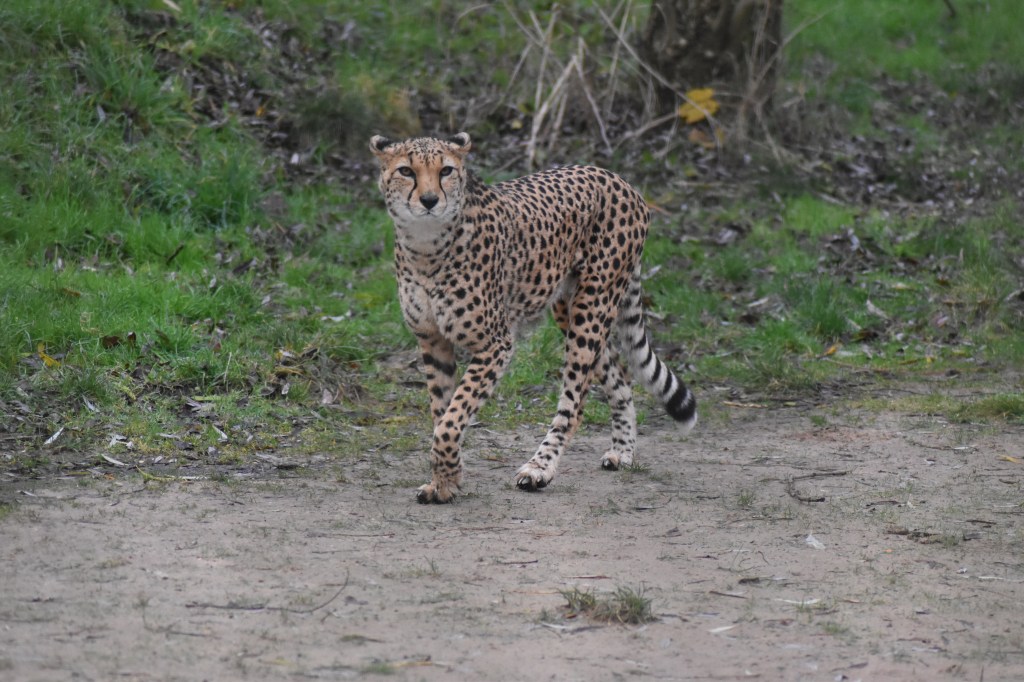
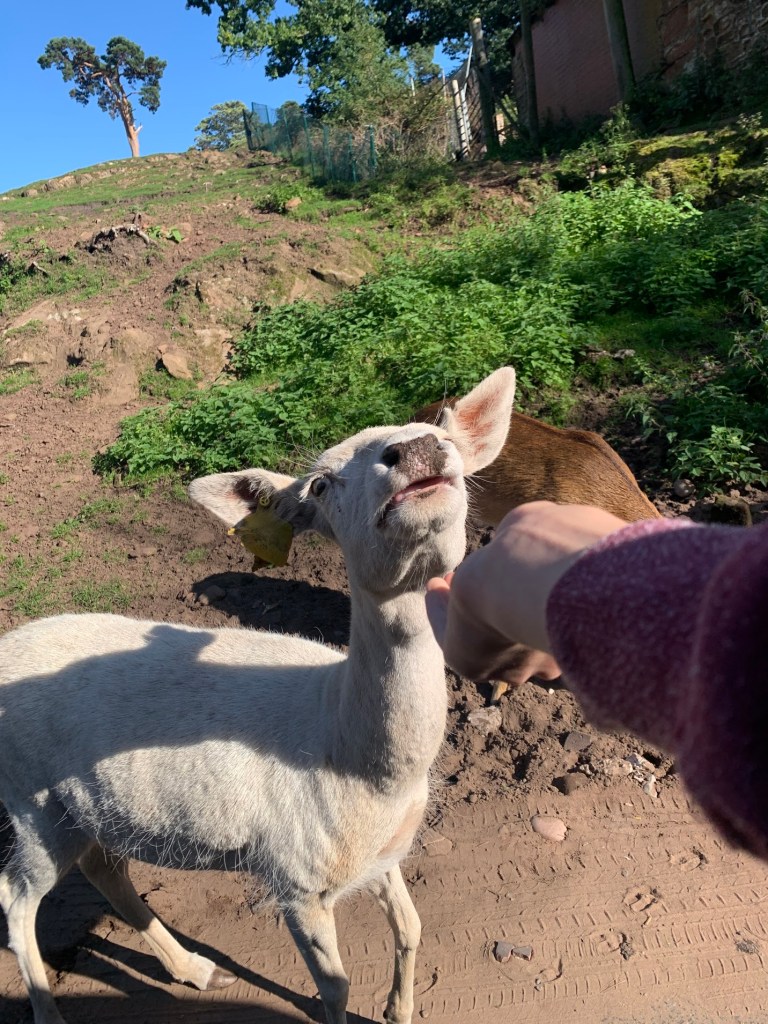
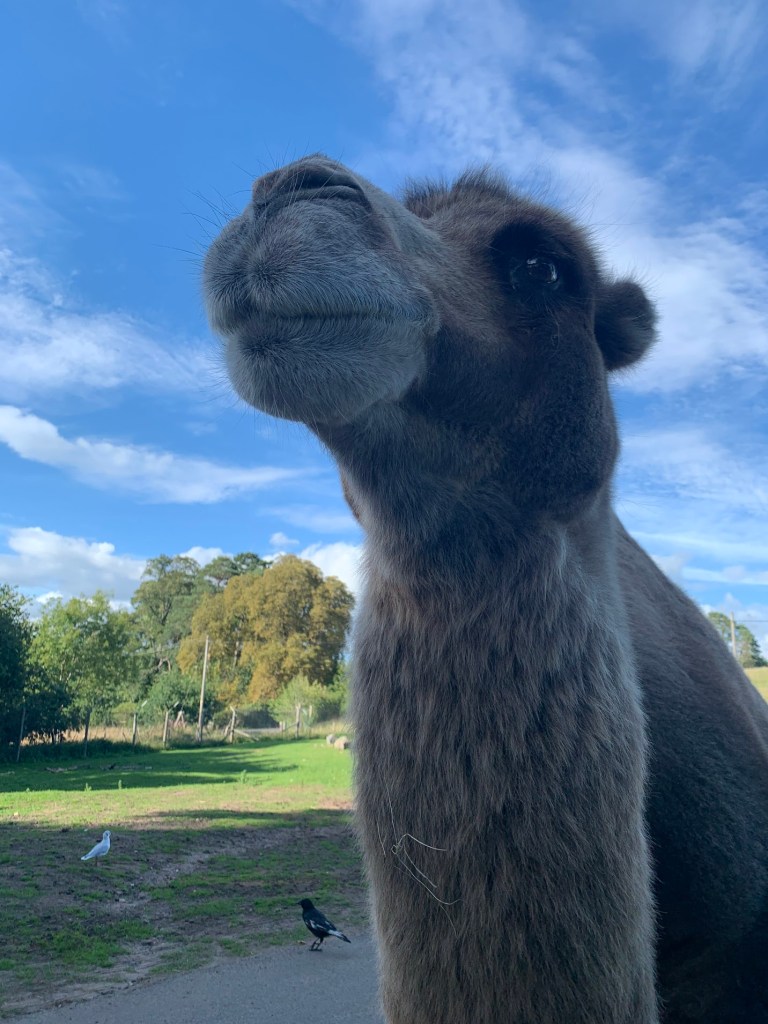
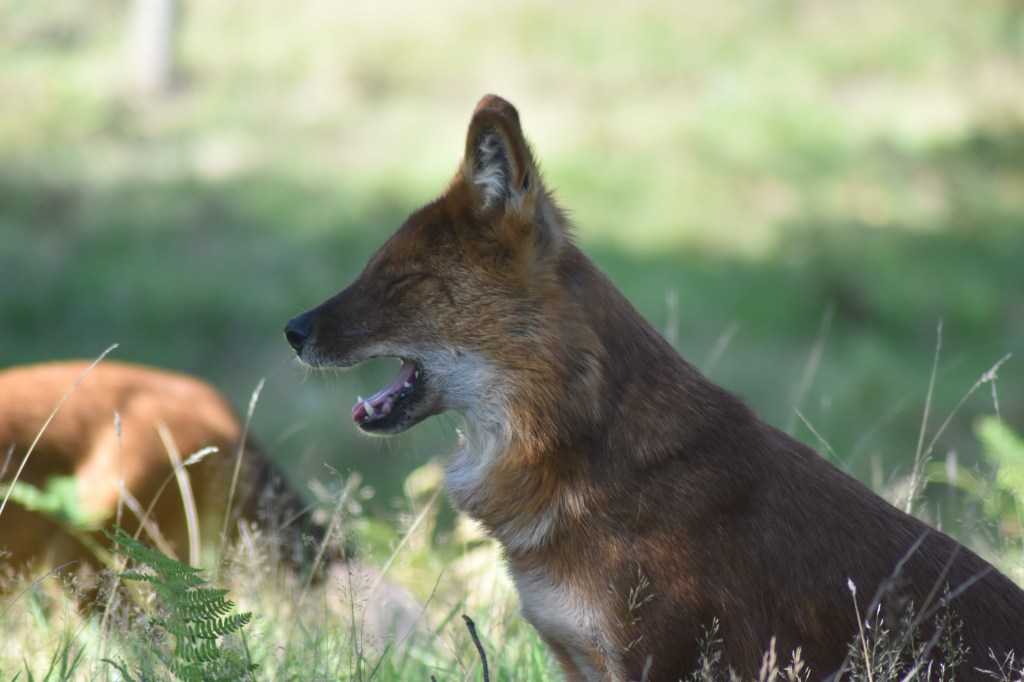
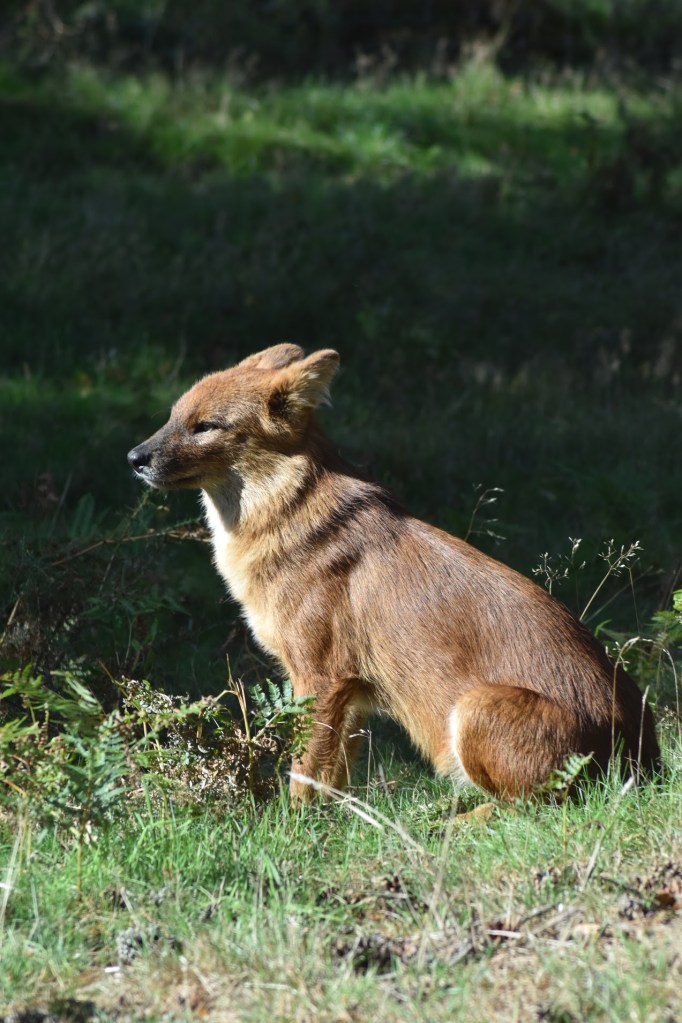
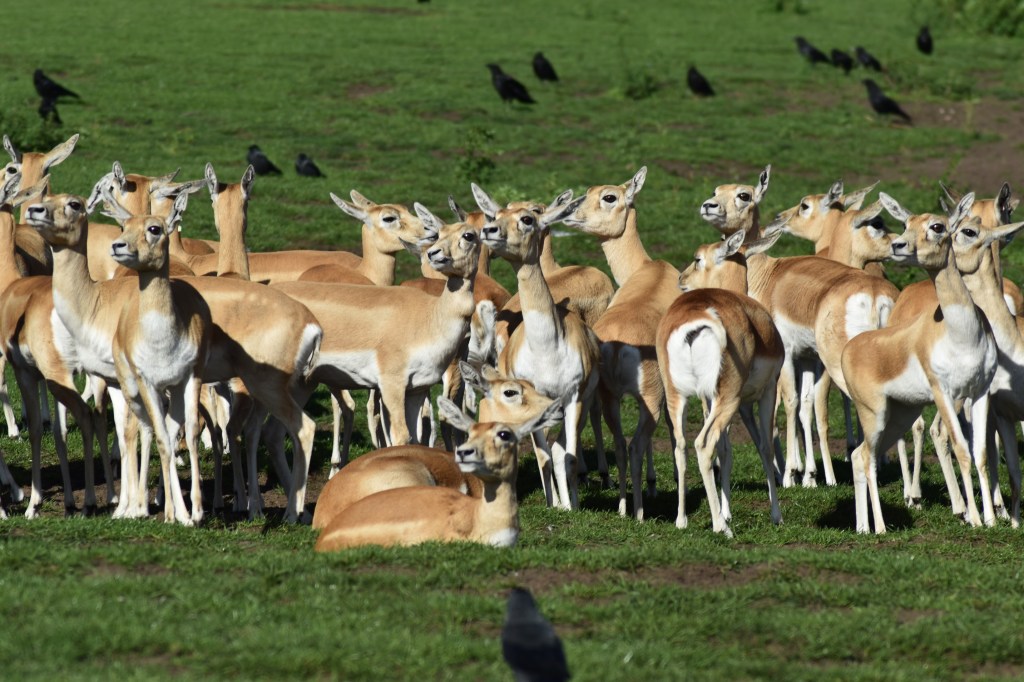
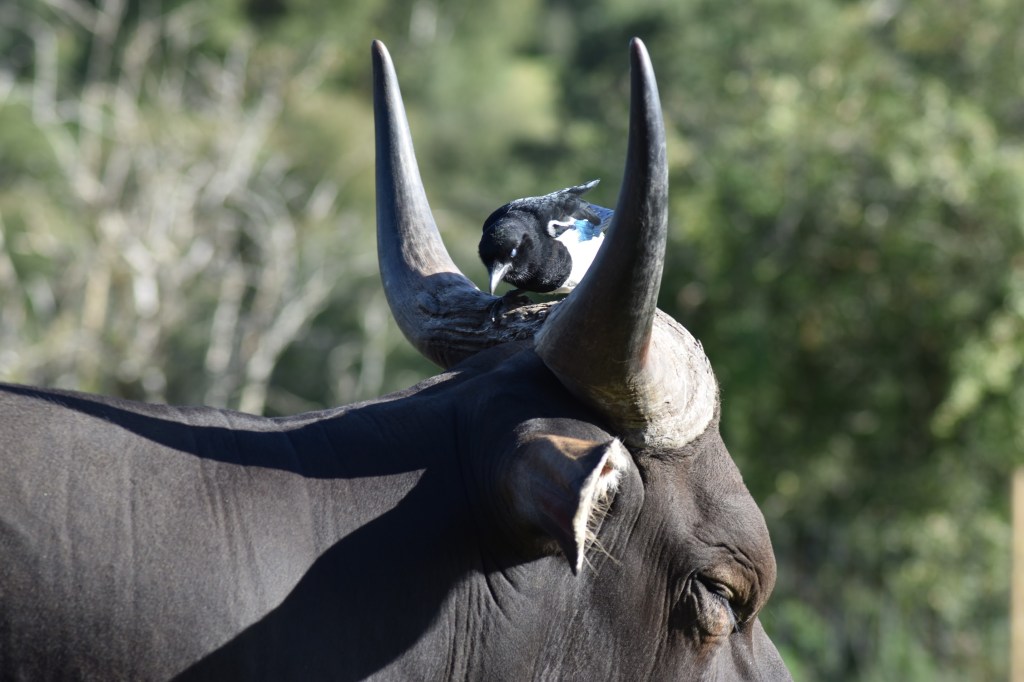
Another place I’ve visited with an interesting approach to habitats is the West Midlands Safari Park (see photos below). The majority of animals are left to roam freely, with guests driving through the park to see and feed them. While they still had shelters, and certain animals are kept away from others, I assume this would save on costs compared to maintaining individual enclosures. These trips have all made me very interested in working for a zoo, either directly with the animals or in a department that manages things like fundraising and budgeting.

While a zoology degree seems like a straightforward path to getting a job in a zoo, employees I’ve asked all say that experience is what matters most. This is especially true for jobs that involve directly working with animals. You will be expected to know about their specific diets and behaviours, as well as having plenty of hands on experience. However, getting that experience without owning your own personal zoo can be quite the challenge!

Design a site like this with WordPress.com
Get started